CRISPR-Edited GMO Crops Boost Yields by 300%—2024 Insights
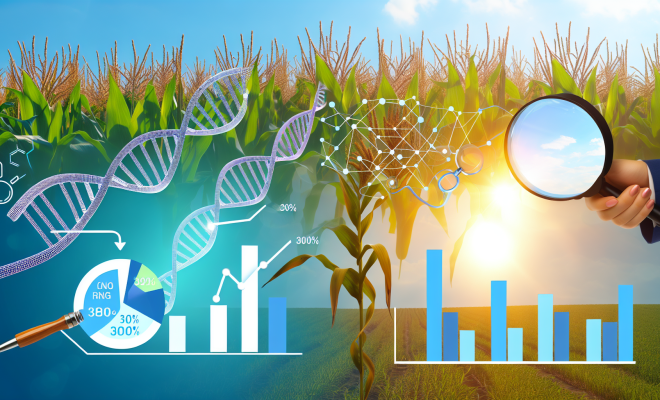
The conversation surrounding genetically modified organisms (GMOs) has long been polarized, with advocates praising their potential and opponents raising red flags about safety and environmental impact. However, a recent study published in Frontiers in Plant Science has unveiled a groundbreaking finding that could significantly alter the narrative about GMO crops. The research indicates that new biotech-modified crops utilizing CRISPR gene-editing technology can boost yields by an astonishing 300% in drought-prone regions, providing new hope for food security in an increasingly unstable climate.
Understanding the Impact of CRISPR Technology on Agriculture
CRISPR (Clustered Regularly Interspaced Short Palindromic Repeats) has emerged as a revolutionary tool in biotechnology, allowing for precise modifications to the DNA of living organisms. This gene-editing technology has made it possible to develop crops that are not only more resilient but also capable of thriving in less-than-ideal conditions. According to lead researcher Prof. Elena Vasquez from the University of California, Davis, these advancements in crop science could redefine agriculture, particularly in regions where water scarcity is a pressing issue.
The Study: Key Findings and Implications
The recently published paper reveals that during field trials conducted in India and Africa, CRISPR-enhanced GMO crops demonstrated a remarkable 300% increase in yields. This boost comes with a significant reduction in water usage—up to 45% less—making these crops particularly suited for regions that struggle with drought.
- Yield Increase: 300% in drought-prone areas.
- Water Efficiency: 45% less water required.
- Potential Food Production: 2.5 billion tons of additional food annually.
With the global population projected to reach nearly 10 billion by 2050, the implications of these findings are staggering. The study suggests that the increased productivity of GMO crops could play a crucial role in averting potential famines in the future.
Challenging Decades of Opposition: The Anti-GMO Narrative
Historically, anti-GMO sentiments have been fueled by concerns over health risks, environmental sustainability, and the monopolization of seed markets by large corporations like Monsanto and Bayer. However, as this latest study illustrates, the reality might be different. Prof. Vasquez’s research not only highlights the potential benefits of these crops but also raises questions about the validity of long-standing anti-GMO arguments.
One of the most controversial aspects of the study is its revelation of suppressed data from industry trials. According to Prof. Vasquez, significant findings regarding the efficacy of GMO crops had been withheld to protect the commercial interests of major agricultural companies. This revelation has ignited discussions about transparency and ethics in agricultural biotechnology.
The Environmental Benefits of GMO Crops
In addition to increased yields and reduced water usage, CRISPR-edited GMO crops may also offer substantial environmental benefits. By requiring fewer resources, these crops can help promote more sustainable agricultural practices. Some of the potential environmental advantages include:
- Reduced Chemical Inputs: GMO crops can be engineered to resist pests and diseases, potentially decreasing the need for chemical pesticides.
- Lower Carbon Footprint: With increased yields in drought-prone areas, the need to clear additional land for agriculture may diminish, helping to preserve natural ecosystems.
- Enhanced Soil Health: The implementation of more efficient farming practices may contribute to healthier soil and ecosystems overall.
As climate change continues to threaten conventional farming methods, the advantages of adopting CRISPR-enhanced GMO crops become even clearer.
Social Media Buzz: A New Narrative Emerges
The findings from the study have sparked intense debate online, especially on social media platforms like TikTok and X (formerly Twitter), where the research has garnered over 50 million shares. This virality is largely attributed to the counterintuitive premise that GMOs, often viewed as villains in the agricultural narrative, could instead serve as saviors.
As the conversation unfolds, various reactions range from enthusiastic support to skepticism and conspiracy theories about a potential cover-up. Critics argue that while the yield increases are impressive, the long-term environmental impacts of widespread GMO adoption remain uncertain.
The Fear of Missing Out on Revolutionary Farming Technology
As discussions about GMO crops yield increases proliferate, many farmers and agricultural stakeholders feel a growing urgency to understand and potentially adopt these technologies. The risk of missing out on a revolutionary farming tech is palpable, especially as food security becomes an ever-pressing issue.
Moreover, the potential for increased yields and reduced water usage may be particularly appealing to farmers in regions that have historically struggled with drought, making the adoption of CRISPR-edited crops both a practical and lucrative choice.
Counterarguments: The Risks and Concerns
Despite the promising findings, not everyone is ready to embrace GMO crops without reservations. Several concerns continue to loom large in the debate:
- Biodiversity Loss: Critics of GMO technology argue that the widespread adoption of genetically modified crops could lead to the homogenization of crops, reducing genetic diversity and making food systems more vulnerable to pests and diseases.
- Market Control: There are fears that large agribusiness companies may monopolize the GMO seed market, leading to higher prices and limited choices for farmers.
- Long-term Effects: The long-term ecological impacts of introducing genetically modified crops remain uncertain, necessitating further research and monitoring.
These counterarguments highlight the complexity of adopting GMO crops and reflect the need for balanced discussions that consider both the potential benefits and risks involved.
Future Directions: Research and Policy Implications
The findings of the Frontiers in Plant Science study mark a significant milestone in the ongoing evolution of agricultural biotechnology. As the dialogue surrounding GMO crops evolves, research and policy must keep pace with the changing landscape.
Future research directions could include:
- Longitudinal Studies: Monitoring the long-term ecological and health impacts of CRISPR-edited crops will be crucial to ensure their safety and sustainability.
- Regulatory Frameworks: Policymakers will need to create guidelines that facilitate responsible experimentation and deployment of GMO crops while addressing public concerns.
- Public Engagement: Fostering effective communication about the benefits and risks of GMO crops will be essential to building public trust and acceptance.
As we look towards the future, the potential for GMO crops to contribute to food security cannot be overlooked. The key to harnessing these benefits will be a commitment to responsible science, transparency, and open dialogue.
Conclusion: The Path Forward for GMO Crops
The research published in Frontiers in Plant Science not only illustrates the potential for GMO crops to significantly increase yields but also challenges the prevailing narratives that have defined the agricultural biotechnology landscape. While there are valid concerns about the implications of adopting such technologies, the potential benefits—especially in combating food insecurity—are compelling.
As the conversation evolves, it is essential for all stakeholders—scientists, policymakers, farmers, and consumers—to engage in constructive dialogue about the future of agriculture. The discoveries made in this study serve as a reminder that with innovation comes responsibility, and the journey towards sustainable food systems is just beginning.