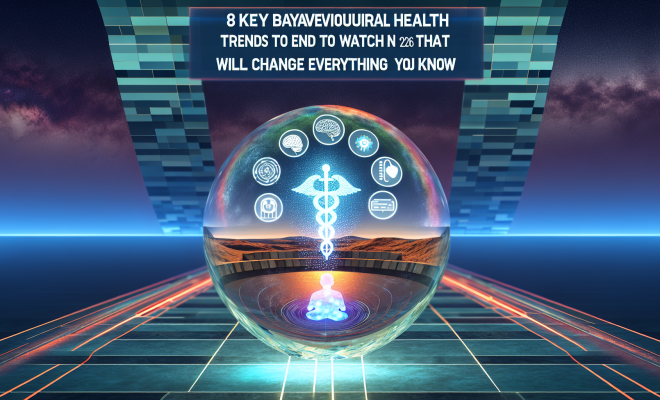
8 Behavioral Health Trends to Watch in 2026
The landscape of mental health is rapidly evolving, and as we look towards 2026, several pivotal behavioral health trends are emerging that could reshape how we approach mental healthcare in the United States. The demand for mental health services continues to soar amid significant provider shortages and shifting policies. Understanding these trends is crucial, not just for mental health professionals but also for individuals seeking support, as well as policy-makers striving to improve the mental health system.
1. Sustained High Demand for Mental Health Services
According to recent reports, the demand for mental health services will remain exceptionally high in 2026. The COVID-19 pandemic exacerbated existing mental health issues, leading to unprecedented levels of anxiety and depression among the population. The National Alliance on Mental Illness (NAMI) indicates that anxiety disorders and depression continue to dominate the mental health burden in the U.S., affecting millions of individuals.
This sustained demand is compounded by a shortage of qualified mental health providers. As the stigma surrounding mental health continues to diminish, more individuals are seeking help — a positive development, yet it brings significant challenges. The current mental healthcare system is not adequately equipped to handle the influx of patients, leading to long wait times and reduced access to care.
2. The Impact of Policy Shifts
Policy changes at both the federal and state levels are expected to influence behavioral health trends significantly in 2026. The integration of mental health services into primary care settings is one area where we anticipate notable developments. These policy shifts aim to streamline care, reduce barriers, and improve access. However, the implementation will require ongoing adjustment and commitment from healthcare providers and policymakers alike.
Furthermore, the push for mental health parity — ensuring that mental health services are covered equally to physical health services — remains a hot topic. As legislation evolves, the effectiveness of these policies in improving access to care will be under scrutiny.
3. The Rise of Artificial Intelligence in Mental Health
One of the most striking behavioral health trends for 2026 is the increasing use of artificial intelligence (AI) in mental health care. A recent poll by the Kaiser Family Foundation (KFF) indicates that U.S. adults are increasingly turning to AI-powered chatbots, such as ChatGPT and Google Gemini, for mental health advice. This trend marks a significant shift from traditional therapeutic practices to digital interactions.
The rise of AI in mental health care has sparked a heated debate about the reliability and ethics of using chatbots in lieu of human therapists. While some users report positive experiences, sharing personal stories of success in engaging with these digital tools, others express concerns over the potential for misdiagnosis and the lack of human empathy that comes with AI-driven support.
4. Chatbots as Informal Entry to Care
AI chatbots are becoming an informal entry point to mental health care for many individuals, particularly those who may feel hesitant to seek traditional therapy. The appeal lies in the anonymity and accessibility that chatbots offer. Users can engage with bots in the comfort of their homes without fear of judgment.
However, the potential dangers associated with relying on AI for mental health advice cannot be overlooked. Misdiagnosis and incorrect guidance can lead to individuals neglecting professional help when it is genuinely needed. As we move into 2026, it will be essential to navigate these challenges carefully to ensure that AI complements rather than replaces conventional therapeutic methods.
5. The Role of Social Media in Mental Health Conversations
Social media platforms are playing an increasingly important role in shaping discussions around mental health. As people share their experiences with AI chatbots and other mental health tools, these platforms become a breeding ground for viral debates regarding the efficacy of such approaches.
The term ‘FOMO’ or ‘fear of missing out’ is particularly relevant here, as individuals may feel compelled to try AI-based mental health solutions, driven by the buzz on social media. While these conversations can foster awareness and destigmatization of mental health issues, they can also lead to misinformation and oversimplification of complex mental health needs.
6. The Importance of Ethics in AI Usage
As AI becomes more prevalent in mental health care, ethical considerations must take center stage. Questions surrounding data privacy, informed consent, and the potential for bias in AI algorithms are pressing concerns that will need to be addressed as the landscape evolves.
Healthcare providers, developers, and policymakers must work collaboratively to establish ethical guidelines for AI usage in mental health. Ensuring that chatbots and other AI tools are safe, effective, and equitable will be essential to gaining public trust and fostering responsible innovation.
7. Increased Focus on Diversity and Inclusion
Another trend expected to gain momentum in 2026 is the emphasis on diversity and inclusion within mental health services. Historically, marginalized communities have faced significant barriers to accessing mental healthcare. However, there is a growing recognition of the need for culturally competent care that addresses the unique challenges faced by diverse populations.
This includes developing tailored treatment options that are sensitive to the cultural, social, and economic contexts of individuals. As awareness of these issues grows, mental health practitioners and organizations will be called to implement strategies that promote inclusivity and equitable access to care.
8. Embracing Telehealth as a Mainstream Option
The pandemic accelerated the adoption of telehealth services, and this trend is likely to continue in 2026. Telehealth provides a convenient and flexible option for individuals seeking mental health services, eliminating geographical barriers and making it easier for patients to connect with providers.
While telehealth has proven effective for many, it is essential to recognize that it may not be suitable for everyone. Some individuals may still prefer face-to-face interactions for therapy. As telehealth becomes more mainstream, mental health professionals will need to create hybrid models that incorporate both in-person and virtual care options to meet the diverse needs of their patients.
Conclusion: Navigating the Future of Behavioral Health
As we approach 2026, the field of behavioral health is poised for significant transformation. The trends outlined above highlight both the challenges and opportunities that lie ahead. Sustained high demand for mental health services, the rise of AI tools, and the importance of ethical considerations will shape the future of mental health care.
By being proactive and responsive to these trends, stakeholders in mental health can create a more accessible, equitable, and effective system of care that meets the needs of all individuals. As discussions around mental health continue to evolve, it is crucial that we remain informed and engaged to ensure the best outcomes for those seeking help.