The Edvocate

Top Menu

Main Menu

  • Start Here
    • Our Brands
    • Governance
      • Lynch Education Consulting, LLC.
      • Dr. Lynch’s Personal Website
      • Careers
    • Write For Us
    • Books
    • The Tech Edvocate Product Guide
    • Contact Us
    • The Edvocate Podcast
    • Edupedia
    • Pedagogue
    • Terms and Conditions
    • Privacy Policy
  • PreK-12
    • Assessment
    • Assistive Technology
    • Best PreK-12 Schools in America
    • Child Development
    • Classroom Management
    • Early Childhood
    • EdTech & Innovation
    • Education Leadership
    • Equity
    • First Year Teachers
    • Gifted and Talented Education
    • Special Education
    • Parental Involvement
    • Policy & Reform
    • Teachers
  • Higher Ed
    • Best Colleges and Universities
    • Best College and University Programs
    • HBCU’s
    • Diversity
    • Higher Education EdTech
    • Higher Education
    • International Education
  • Advertise
  • The Tech Edvocate Awards
    • The Awards Process
    • Finalists and Winners of The 2026 Tech Edvocate Awards
    • Finalists and Winners of The 2025 Tech Edvocate Awards
    • Finalists and Winners of The 2024 Tech Edvocate Awards
    • Finalists and Winners of The 2023 Tech Edvocate Awards
    • Finalists and Winners of The 2021 Tech Edvocate Awards
    • Finalists and Winners of The 2022 Tech Edvocate Awards
    • Finalists and Winners of The 2020 Tech Edvocate Awards
    • Finalists and Winners of The 2019 Tech Edvocate Awards
    • Finalists and Winners of The 2018 Tech Edvocate Awards
    • Finalists and Winners of The 2017 Tech Edvocate Awards
    • Award Seals
  • Apps
    • GPA Calculator for College
    • GPA Calculator for High School
    • Cumulative GPA Calculator
    • Grade Calculator
    • Weighted Grade Calculator
    • Final Grade Calculator
  • The Tech Edvocate
  • Post a Job
  • AI Powered Personal Tutor

logo

The Edvocate

  • Start Here
    • Our Brands
    • Governance
      • Lynch Education Consulting, LLC.
      • Dr. Lynch’s Personal Website
        • My Speaking Page
      • Careers
    • Write For Us
    • Books
    • The Tech Edvocate Product Guide
    • Contact Us
    • The Edvocate Podcast
    • Edupedia
    • Pedagogue
    • Terms and Conditions
    • Privacy Policy
  • PreK-12
    • Assessment
    • Assistive Technology
    • Best PreK-12 Schools in America
    • Child Development
    • Classroom Management
    • Early Childhood
    • EdTech & Innovation
    • Education Leadership
    • Equity
    • First Year Teachers
    • Gifted and Talented Education
    • Special Education
    • Parental Involvement
    • Policy & Reform
    • Teachers
  • Higher Ed
    • Best Colleges and Universities
    • Best College and University Programs
    • HBCU’s
    • Diversity
    • Higher Education EdTech
    • Higher Education
    • International Education
  • Advertise
  • The Tech Edvocate Awards
    • The Awards Process
    • Finalists and Winners of The 2026 Tech Edvocate Awards
    • Finalists and Winners of The 2025 Tech Edvocate Awards
    • Finalists and Winners of The 2024 Tech Edvocate Awards
    • Finalists and Winners of The 2023 Tech Edvocate Awards
    • Finalists and Winners of The 2021 Tech Edvocate Awards
    • Finalists and Winners of The 2022 Tech Edvocate Awards
    • Finalists and Winners of The 2020 Tech Edvocate Awards
    • Finalists and Winners of The 2019 Tech Edvocate Awards
    • Finalists and Winners of The 2018 Tech Edvocate Awards
    • Finalists and Winners of The 2017 Tech Edvocate Awards
    • Award Seals
  • Apps
    • GPA Calculator for College
    • GPA Calculator for High School
    • Cumulative GPA Calculator
    • Grade Calculator
    • Weighted Grade Calculator
    • Final Grade Calculator
  • The Tech Edvocate
  • Post a Job
  • AI Powered Personal Tutor
  • Urgent Warning: Cyberattacks on Online Learning Are Far Worse Than You Think

  • 5 Marketing Strategies for Schools in the Age of School Choice

  • Biden Administration Unveils Sweeping New Student Loan Forgiveness Expansion, Impacting Millions

  • The Scary Truth About School Supplies That Every Teacher Understands

  • This Game-Changing Move Will Secure Your Kid’s Future Home — Parents Are Rushing To Do It Now

  • We Need to Make Science Learning Visible. Here’s Why

  • 7 Unprecedented Reasons Why College Is More Vital Than Ever in the Age of AI

  • These Fractured Fairy Tales Help Students Understand Setting

  • Mind-Blowing: Google’s AI Ultimatum Could Decimate Academic Freedom in Schools

  • Explosive Student Loan Class Action Lawsuit: Public Servants Allege Forgiveness ‘Scam’

Uncategorized
Home›Uncategorized›Food Additive E171 Linked to 30% Faster Cognitive Decline in 2026 Study

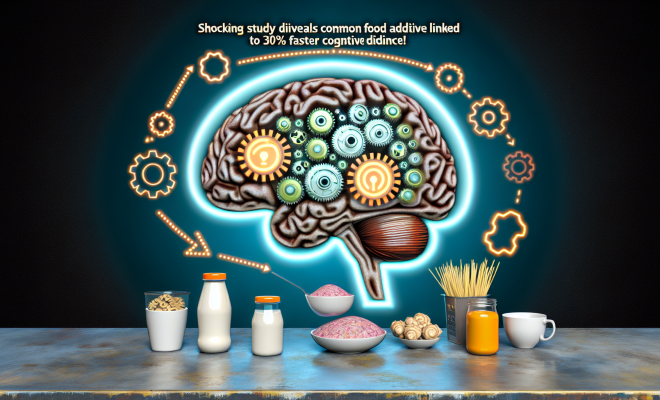
Food Additive E171 Linked to 30% Faster Cognitive Decline in 2026 Study
By Matthew Lynch
May 3, 2026
0
Spread the love

In a groundbreaking study published in The Lancet Neurology on May 2, 2026, startling evidence has emerged linking a common food additive, titanium dioxide (E171), to significant cognitive decline in older adults. This revelation has sent shockwaves through the scientific community and sparked global alarm, particularly among health-conscious consumers and aging populations.

The Study: A Deep Dive into Cognitive Health

Conducted by leading neuroscientists at the University of Manchester, the research analyzed data from over 12,000 participants across Europe and the United States. The study tracked crucial aspects of cognitive function, including memory, executive function, and brain imaging over a period of five years. The findings indicate that individuals over the age of 50 who regularly consumed foods containing titanium dioxide experienced a 30% faster rate of cognitive decline compared to those who had minimal exposure to the additive.

What is Titanium Dioxide?

Titanium dioxide, commonly referred to as E171, is a widely used food additive known for its ability to improve the color and brightness of various processed foods. Found in items such as candies, chewing gum, and even some types of dairy products, E171 has long been deemed safe by food safety regulators around the world. Its extensive use has made it a staple ingredient in the food manufacturing industry, allowing products to appear more appealing to consumers.

The Controversy Unfolds

Despite its widespread acceptance, the new study raises serious questions about the long-term safety of E171. Regulatory bodies, which previously considered the additive harmless, are now facing intense scrutiny following the study’s findings. Social media has erupted with criticisms of the food industry, as consumers rally around hashtags like #TitaniumToxic and #BrainFoodScare, calling for an immediate re-evaluation of food additives and greater transparency in ingredient labeling.

Understanding Cognitive Decline

Cognitive decline refers to a gradual deterioration in cognitive abilities, including memory, reasoning, and problem-solving skills. This decline often becomes more pronounced with age, and factors contributing to it include lifestyle choices, genetics, and environmental influences. With dementia on the rise globally, the implications of this study cannot be overstated.

The Implications of the Study

The findings of the University of Manchester study are particularly alarming given the increasing prevalence of processed foods in modern diets. As more individuals turn to convenient food options, the potential risks associated with additives like titanium dioxide can no longer be ignored. The immediate implications of this research include:

  • Reevaluation of Food Safety Standards: Regulatory agencies may need to revisit existing safety assessments of titanium dioxide and other food additives.
  • Consumer Awareness: As awareness spreads, consumers may become more vigilant about checking ingredient lists and avoiding products containing E171.
  • Industry Response: Food manufacturers might face pressure to reformulate products to eliminate harmful additives, leading to a shift in the food landscape.
  • Public Health Campaigns: Governments and health organizations may initiate campaigns to educate the public on the potential risks of food additives and promote healthier eating habits.

Voices from the Community

The response from the community has been overwhelmingly filled with fear and outrage. Many consumers have taken to social media platforms to share their personal experiences and concerns regarding cognitive health and diet. The combination of the fear of developing dementia and distrust in the food industry has created a significant shift in public perception.

Health advocates and experts are also weighing in on the discussion, emphasizing the importance of ingredient transparency and the need for rigorous testing of food additives before they are deemed safe for consumption. The call for action is clear—consumers want to take control of their health, and they demand accountability from food manufacturers.

What You Can Do: Checking Your Pantry

In light of these findings, consumers are encouraged to take a closer look at their pantries. Here are some steps you can take to safeguard your cognitive health:

  • Read Ingredient Labels: Always check the ingredient list for titanium dioxide (E171) and other additives you may wish to avoid.
  • Choose Whole Foods: Incorporate more whole, unprocessed foods into your diet, such as fruits, vegetables, whole grains, and lean proteins.
  • Stay Informed: Keep abreast of new research related to food additives and cognitive health to make informed dietary choices.
  • Advocate for Change: Support policies aimed at improving food safety regulations and advocate for greater transparency in food labeling.

The Future of Food Additives

The implications of this study extend beyond individual health concerns; they carry the potential to reshape food regulations globally. As awareness around the effects of food additives on cognitive health increases, we may witness a wave of reform across the food industry. This could lead to a more health-conscious society, demanding safer food options and better regulatory practices. For more on this, see impact of ultra processed foods.

Conclusion: A Call to Action

The alarming connection between the food additive titanium dioxide and accelerated cognitive decline serves as a wake-up call for consumers and regulators alike. With the growing body of evidence linking processed foods and cognitive health, it is essential for individuals to take charge of their dietary choices and advocate for a safer food environment.

As the conversation around food, health, and safety continues to evolve, one thing remains clear: our understanding of what we put into our bodies must change. The study’s findings underscore the urgency for reform in the food industry and highlight the need for a collective effort to prioritize health over convenience.

In the face of such alarming revelations, consumers must remain vigilant and proactive. The power to influence change lies in our hands—one ingredient label at a time.


Previous Article

7 Ways Parents Revolutionize Kids’ Money Habits ...

Next Article

2026 Solar Storm Surge: A Looming Threat ...

Matthew Lynch

Related articles More from author

  • Uncategorized

    Outrageous: Apex Legends’ AI Pricing Is Quietly Emptying Your Wallet

    August 7, 2026
    By Matthew Lynch
  • Uncategorized

    The Hepatitis B Cure: Why Hibsago Is Changing Everything

    October 22, 2026
    By Matthew Lynch
  • Uncategorized

    iCBT Boosts Workplace Productivity: A 2024 Study

    April 8, 2026
    By Matthew Lynch
  • Uncategorized

    Raise a Child for $300K? 9 Must-Have Budgeting Apps for Parents 2026

    July 25, 2026
    By Matthew Lynch
  • Uncategorized

    Iran Conflict Reshapes Global Travel & Holiday Plans

    March 16, 2026
    By Matthew Lynch
  • Uncategorized

    20 Ways to Help Students Who Struggle With Anxiety

    January 2, 2025
    By Matthew Lynch

Search

Registration and Login

  • Log in
  • Entries feed
  • Comments feed
  • WordPress.org

Newsletter

Signup for The Edvocate Newsletter and have the latest in P-20 education news and opinion delivered to your email address!

RSS feed: Matthew on Education Week Matthew on Education Week

  • Au Revoir from Education Futures November 20, 2018 Matthew Lynch
  • 6 Steps to Data-Driven Literacy Instruction October 17, 2018 Matthew Lynch
  • Four Keys to a Modern IT Approach in K-12 Schools October 2, 2018 Matthew Lynch
  • What's the Difference Between Burnout and Demoralization, and What Can Teachers Do About It? September 27, 2018 Matthew Lynch
  • Revisiting Using Edtech for Bullying and Suicide Prevention September 10, 2018 Matthew Lynch

About Us

The Edvocate was created in 2014 to argue for shifts in education policy and organization in order to enhance the quality of education and the opportunities for learning afforded to P-20 students in America. What we envisage may not be the most straightforward or the most conventional ideas. We call for a relatively radical and certainly quite comprehensive reorganization of America’s P-20 system.

That reorganization, though, and the underlying effort, will have much to do with reviving the American education system, and reviving a national love of learning.  The Edvocate plans to be one of key architects of this revival, as it continues to advocate for education reform, equity, and innovation.

Newsletter

Signup for The Edvocate Newsletter and have the latest in P-20 education news and opinion delivered to your email address!

Contact

The Edvocate
910 Goddin Street
Richmond, VA 23230
(601) 630-5238
[email protected]
  • situs togel online
  • dentoto
  • situs toto 4d
  • situs toto slot
  • toto slot 4d
Copyright (c) 2026 Matthew Lynch. All rights reserved.