The Edvocate

Top Menu

Main Menu

  • Start Here
    • Our Brands
    • Governance
      • Lynch Education Consulting, LLC.
      • Dr. Lynch’s Personal Website
      • Careers
    • Write For Us
    • Books
    • The Tech Edvocate Product Guide
    • Contact Us
    • The Edvocate Podcast
    • Edupedia
    • Pedagogue
    • Terms and Conditions
    • Privacy Policy
  • PreK-12
    • Assessment
    • Assistive Technology
    • Best PreK-12 Schools in America
    • Child Development
    • Classroom Management
    • Early Childhood
    • EdTech & Innovation
    • Education Leadership
    • Equity
    • First Year Teachers
    • Gifted and Talented Education
    • Special Education
    • Parental Involvement
    • Policy & Reform
    • Teachers
  • Higher Ed
    • Best Colleges and Universities
    • Best College and University Programs
    • HBCU’s
    • Diversity
    • Higher Education EdTech
    • Higher Education
    • International Education
  • Advertise
  • The Tech Edvocate Awards
    • The Awards Process
    • Finalists and Winners of The 2026 Tech Edvocate Awards
    • Finalists and Winners of The 2025 Tech Edvocate Awards
    • Finalists and Winners of The 2024 Tech Edvocate Awards
    • Finalists and Winners of The 2023 Tech Edvocate Awards
    • Finalists and Winners of The 2021 Tech Edvocate Awards
    • Finalists and Winners of The 2022 Tech Edvocate Awards
    • Finalists and Winners of The 2020 Tech Edvocate Awards
    • Finalists and Winners of The 2019 Tech Edvocate Awards
    • Finalists and Winners of The 2018 Tech Edvocate Awards
    • Finalists and Winners of The 2017 Tech Edvocate Awards
    • Award Seals
  • Apps
    • GPA Calculator for College
    • GPA Calculator for High School
    • Cumulative GPA Calculator
    • Grade Calculator
    • Weighted Grade Calculator
    • Final Grade Calculator
  • The Tech Edvocate
  • Post a Job
  • AI Powered Personal Tutor

logo

The Edvocate

  • Start Here
    • Our Brands
    • Governance
      • Lynch Education Consulting, LLC.
      • Dr. Lynch’s Personal Website
        • My Speaking Page
      • Careers
    • Write For Us
    • Books
    • The Tech Edvocate Product Guide
    • Contact Us
    • The Edvocate Podcast
    • Edupedia
    • Pedagogue
    • Terms and Conditions
    • Privacy Policy
  • PreK-12
    • Assessment
    • Assistive Technology
    • Best PreK-12 Schools in America
    • Child Development
    • Classroom Management
    • Early Childhood
    • EdTech & Innovation
    • Education Leadership
    • Equity
    • First Year Teachers
    • Gifted and Talented Education
    • Special Education
    • Parental Involvement
    • Policy & Reform
    • Teachers
  • Higher Ed
    • Best Colleges and Universities
    • Best College and University Programs
    • HBCU’s
    • Diversity
    • Higher Education EdTech
    • Higher Education
    • International Education
  • Advertise
  • The Tech Edvocate Awards
    • The Awards Process
    • Finalists and Winners of The 2026 Tech Edvocate Awards
    • Finalists and Winners of The 2025 Tech Edvocate Awards
    • Finalists and Winners of The 2024 Tech Edvocate Awards
    • Finalists and Winners of The 2023 Tech Edvocate Awards
    • Finalists and Winners of The 2021 Tech Edvocate Awards
    • Finalists and Winners of The 2022 Tech Edvocate Awards
    • Finalists and Winners of The 2020 Tech Edvocate Awards
    • Finalists and Winners of The 2019 Tech Edvocate Awards
    • Finalists and Winners of The 2018 Tech Edvocate Awards
    • Finalists and Winners of The 2017 Tech Edvocate Awards
    • Award Seals
  • Apps
    • GPA Calculator for College
    • GPA Calculator for High School
    • Cumulative GPA Calculator
    • Grade Calculator
    • Weighted Grade Calculator
    • Final Grade Calculator
  • The Tech Edvocate
  • Post a Job
  • AI Powered Personal Tutor
  • Unbelievable: This New Law Reveals the REAL Culprit Behind Kids’ Screen Addiction

  • The Troubling Truth Behind That Viral Nassau County Volleyball Match Incident

  • Explosive Ruling: California Judge Redefines Student Gender Identity Rights

  • Making School Lunch a Better and More Relaxing Social Experience

  • Jaw-Dropping Costs: Raising Kids in 2026 Will Break Your Budget — Here’s How to Survive

  • Dramatic Twist: West Virginia Child Abuse Bill Sparks Fierce Parental Rights Battle

  • This One AI Policy Could Be Catastrophic for Your Kid’s Future

  • Warning: Millions Face Skyrocketing Student Loan Payments — Act Now or Pay the Price

  • This Free Science Video and Lesson Plan Explains How Speakers Work

  • Shocking: This Gunslinging 10-Year-Old’s Viral Fame Sparks Fury and Family Feud

Uncategorized
Home›Uncategorized›OpenAI’s 2026 Action Plan: Boosting AI Cybersecurity

OpenAI’s 2026 Action Plan: Boosting AI Cybersecurity
By Matthew Lynch
April 30, 2026
0
Spread the love

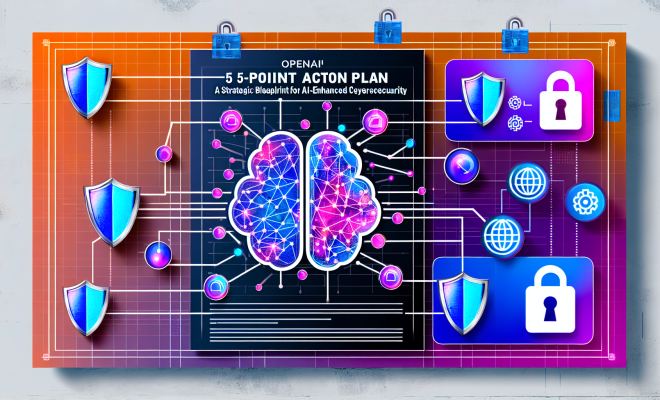
On April 30, 2026, OpenAI unveiled a comprehensive 5-point action plan aimed at strengthening AI-powered cybersecurity measures. This significant announcement reflects the organization’s commitment to enhancing digital defenses in the face of escalating cyber threats. As the cybersecurity landscape continues to evolve, OpenAI’s initiative provides a timely framework for organizations seeking to bolster their security posture.

Understanding the Context of AI in Cybersecurity

The integration of artificial intelligence into cybersecurity has transformed the way organizations defend against cyber threats. With the increasing sophistication of cybercriminals, traditional security measures are often insufficient. AI technologies enable the identification of vulnerabilities, detection of anomalies, and response to incidents at unprecedented speeds.

As organizations worldwide grapple with a surge in cyberattacks, the need for proactive strategies has never been more critical. OpenAI’s action plan comes at a pivotal moment, coinciding with advancements in AI tools, such as the CVE MCP Server, which has successfully transformed Anthropic’s Claude into a highly capable security analyst. This development alone underscores the potential for AI to revolutionize the cybersecurity landscape.

OpenAI’s 5-Point Action Plan Explained

OpenAI’s action plan consists of five strategic initiatives designed to fortify AI-driven cybersecurity efforts. Each point addresses a specific challenge in the current cybersecurity environment, offering a roadmap for organizations to enhance their defenses.

1. Strengthening AI Algorithms

The first pillar of OpenAI’s plan focuses on enhancing the algorithms that underpin AI-driven security solutions. By improving the accuracy and efficiency of AI models, organizations can better detect and respond to threats in real-time.

  • Continuous Learning: AI models should be designed to learn continuously from new data, adapting to evolving cyber threats.
  • Data Privacy: Ensuring that AI algorithms respect user privacy and comply with regulations is crucial to maintaining trust in AI security solutions.
  • Bias Mitigation: OpenAI emphasizes the importance of identifying and mitigating biases in AI models to prevent skewed results that could lead to ineffective security measures.

2. Enhancing Collaboration

The second component of the action plan advocates for greater collaboration between AI developers, cybersecurity experts, and regulatory bodies. This collaboration is essential for fostering innovation while ensuring that security measures are robust and effective.

  • Knowledge Sharing: Establishing platforms for sharing insights and best practices among stakeholders can lead to more effective security solutions.
  • Joint Research Initiatives: Collaborative research projects can accelerate the development of new technologies and methodologies in AI-driven cybersecurity.
  • Policy Development: Engaging with policymakers to establish frameworks that support AI innovation while addressing security concerns is vital.

3. Developing Robust Testing Frameworks

The third point emphasizes the necessity of developing rigorous testing frameworks for AI security tools. Effective testing is crucial to ensure that AI solutions can withstand real-world cyber threats.

  • Simulated Attack Scenarios: Creating realistic attack simulations can help organizations evaluate the effectiveness of their AI-driven security measures.
  • Performance Metrics: Establishing clear performance metrics for AI tools enables organizations to assess their capabilities and identify areas for improvement.
  • Compliance Checks: Regular compliance assessments ensure that AI tools adhere to industry standards and regulatory requirements.

4. Fostering Ethical AI Use

The fourth pillar of OpenAI’s plan addresses the ethical implications of AI in cybersecurity. As AI tools become more prevalent, it is crucial to ensure that they are used responsibly and ethically.

  • Transparency: Organizations must be transparent about their AI usage, including how data is collected and utilized.
  • Accountability: Establishing accountability measures for the deployment of AI tools can help mitigate potential harms and ensure responsible use.
  • Ethical Guidelines: Developing ethical guidelines for AI use in cybersecurity can help organizations navigate complex moral dilemmas.

5. Investing in Talent Development

The final point of the action plan emphasizes the importance of investing in talent development within the cybersecurity field. As AI continues to shape the industry, there is a growing need for skilled professionals who can leverage these technologies effectively.

  • Training Programs: Organizations should implement training programs to equip their teams with the necessary skills to work with AI-driven security tools.
  • Interdisciplinary Collaboration: Encouraging collaboration between AI experts and cybersecurity professionals can foster innovation and improve security outcomes.
  • Career Pathways: Establishing clear career pathways in cybersecurity can attract new talent to the field, ensuring a robust workforce for the future.

The Implications of OpenAI’s Action Plan

OpenAI’s 5-point action plan has far-reaching implications for organizations across various sectors. By adopting these strategies, businesses can enhance their cybersecurity defenses and better protect sensitive information from evolving threats.

Moreover, as AI tools like the CVE MCP Server and Anthropic’s Claude continue to advance, organizations must remain vigilant in their efforts to integrate these technologies effectively into their security frameworks. The potential for AI to act as a security analyst, equipped with numerous tools and APIs, highlights the transformative impact of AI in the cybersecurity realm.

Conclusion: A Call to Action

In a world where cyber threats are becoming increasingly sophisticated, OpenAI’s 5-point action plan serves as a critical guide for organizations seeking to enhance their AI-powered cybersecurity measures. By focusing on algorithm improvement, collaboration, testing frameworks, ethical use, and talent development, businesses can build a more resilient security posture.

As the cybersecurity landscape continues to evolve, it is imperative for organizations to adapt and innovate. The future of cybersecurity lies in leveraging AI technologies responsibly and effectively, and OpenAI’s action plan provides a valuable roadmap for navigating this complex landscape.


Previous Article

OpenAI’s GPT-5.5-Cyber: Next-Gen Cybersecurity Defense

Next Article

Bitcoin Price Analysis: Trends & 2026 Predictions

Matthew Lynch

Related articles More from author

  • Uncategorized

    Is the Bull Run Over? Investor Fears & Fed Strategies Unpacked

    May 18, 2026
    By Matthew Lynch
  • Uncategorized

    Computex 2026: Modular Gaming Laptops Are the Future

    June 22, 2026
    By Matthew Lynch
  • Uncategorized

    Educators’ Choice Content Awards Announced

    January 18, 2016
    By Matthew Lynch
  • Uncategorized

    The Pros and Cons of E-Learning: A Comprehensive Overview

    January 2, 2025
    By Matthew Lynch
  • Uncategorized

    2026 – 2027 Best Master’s Degree Programs in Human Resources

    June 27, 2026
    By Matthew Lynch
  • Uncategorized

    Creative Writing Apps That You Will Love

    January 2, 2025
    By Matthew Lynch

Search

Registration and Login

  • Log in
  • Entries feed
  • Comments feed
  • WordPress.org

Newsletter

Signup for The Edvocate Newsletter and have the latest in P-20 education news and opinion delivered to your email address!

RSS feed: Matthew on Education Week Matthew on Education Week

  • Au Revoir from Education Futures November 20, 2018 Matthew Lynch
  • 6 Steps to Data-Driven Literacy Instruction October 17, 2018 Matthew Lynch
  • Four Keys to a Modern IT Approach in K-12 Schools October 2, 2018 Matthew Lynch
  • What's the Difference Between Burnout and Demoralization, and What Can Teachers Do About It? September 27, 2018 Matthew Lynch
  • Revisiting Using Edtech for Bullying and Suicide Prevention September 10, 2018 Matthew Lynch

About Us

The Edvocate was created in 2014 to argue for shifts in education policy and organization in order to enhance the quality of education and the opportunities for learning afforded to P-20 students in America. What we envisage may not be the most straightforward or the most conventional ideas. We call for a relatively radical and certainly quite comprehensive reorganization of America’s P-20 system.

That reorganization, though, and the underlying effort, will have much to do with reviving the American education system, and reviving a national love of learning.  The Edvocate plans to be one of key architects of this revival, as it continues to advocate for education reform, equity, and innovation.

Newsletter

Signup for The Edvocate Newsletter and have the latest in P-20 education news and opinion delivered to your email address!

Contact

The Edvocate
910 Goddin Street
Richmond, VA 23230
(601) 630-5238
[email protected]
  • situs togel online
  • dentoto
  • situs toto 4d
  • situs toto slot
  • toto slot 4d
Copyright (c) 2026 Matthew Lynch. All rights reserved.