AI’s Impact on College Students’ Career Choices in 2024
The Impact of AI on Career Aspirations
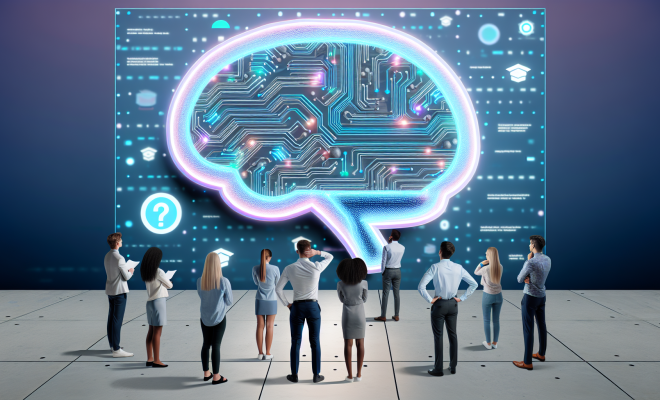
As the world continues to advance technologically, the influence of artificial intelligence (AI) on various sectors has become increasingly pronounced. A recent report revealed that nearly half—42 percent—of college-eligible students believe that AI will significantly impact their career choices. This shift raises important questions about the role of AI in shaping educational pathways and future job markets.
Understanding Student Concerns
The report, released on a Tuesday in late April, highlights a growing wave of uncertainty among students regarding their future careers in the age of AI. Alarmingly, 10 percent of respondents have already altered their intended majors due to concerns about AI’s implications. This statistic reflects a broader trend of apprehension, with half of the surveyed students expressing feelings of uncertainty, concern, nervousness, and even depression about the potential impact of AI on their job prospects.
Feeling Uncertain: The Emotional Toll
The emotional response to AI’s rise is significant. Many students are finding it challenging to navigate their academic journeys in light of AI advancements. The pressures of choosing a career path that may soon be influenced or even rendered obsolete by technology can be daunting.
The Gallup and Lumina Foundation Perspective
This sentiment is echoed in other studies, such as a Gallup and Lumina Foundation poll, which indicated that 47 percent of students are contemplating switching majors due to the rise of AI. This statistic further underscores the pervasive impact AI is having on educational decisions and career planning.
The Role of Educational Institutions
In light of these findings, educational institutions face the challenge of preparing students for a workforce that is rapidly evolving due to AI technologies. Colleges and universities must adapt their curricula to ensure that students are equipped with the necessary skills to thrive in an AI-influenced job market.
Curriculum Adaptations for the AI Era
To address these concerns, institutions might consider integrating courses that focus on AI literacy, data analytics, and technological proficiency across various disciplines. Some potential adaptations could include:
- Offering interdisciplinary programs that combine technology with traditional fields.
- Incorporating practical AI applications into existing courses.
- Providing workshops on navigating AI tools relevant to specific careers.
- Encouraging projects that involve collaboration with tech companies.
The Importance of Career Counseling
Career counseling plays a crucial role in helping students navigate their concerns and uncertainties about the job market. Institutions can enhance their support systems by:
- Offering AI-focused career counseling sessions.
- Providing resources on emerging fields influenced by AI.
- Connecting students with industry professionals for mentorship.
- Developing seminars that focus on future job trends and skills.
Future Career Paths in an AI-Driven World
While the rise of AI presents challenges, it also opens up new career opportunities. Students must be encouraged to explore fields that are likely to grow in demand as AI continues to evolve. Some of these fields include:
- Data Science: As businesses increasingly rely on data analytics to make informed decisions, the demand for data scientists continues to rise.
- AI Ethics: With AI’s influence growing, there is a pressing need for professionals who can navigate the ethical implications of AI technologies.
- Machine Learning Engineering: Specialists in machine learning are essential for developing and maintaining AI systems.
- Cybersecurity: As AI systems become more prevalent, the need for cybersecurity experts to protect these systems will only increase.
Encouraging a Growth Mindset
To thrive in an environment that is constantly shifting due to technological advancements, students must adopt a growth mindset. This mindset will enable them to view challenges as opportunities for learning and development. Emphasizing adaptability and continuous learning can help students feel more empowered in their career choices.
Benefits of a Growth Mindset
Promoting a growth mindset among students can yield several benefits:
- Resilience: Students will be better equipped to handle setbacks and uncertainties.
- Adaptability: A growth mindset encourages flexibility, allowing students to pivot as needed.
- Increased Motivation: Students are more likely to pursue their interests and passions when they believe that effort leads to improvement.
Conclusion: Embracing Change in Education
The rising influence of AI on career choices among college students is a phenomenon that cannot be ignored. With 42 percent of students acknowledging AI’s potential impact on their career aspirations, it is clear that educational institutions must adapt to prepare the next generation for an uncertain future.
By fostering an environment that encourages exploration, adaptability, and a growth mindset, colleges and universities can help students navigate their career paths more effectively. Embracing the opportunities that AI presents while addressing the accompanying concerns will be key to empowering students in their educational journeys and future careers.
As AI continues to shape the landscape of work, the collaboration between educational institutions, students, and industry professionals will be essential in creating a workforce that is not only prepared for the challenges of the future but also capable of thriving within it.