NASA Unveils Breathtaking New Pinwheel Galaxy Image
Introduction
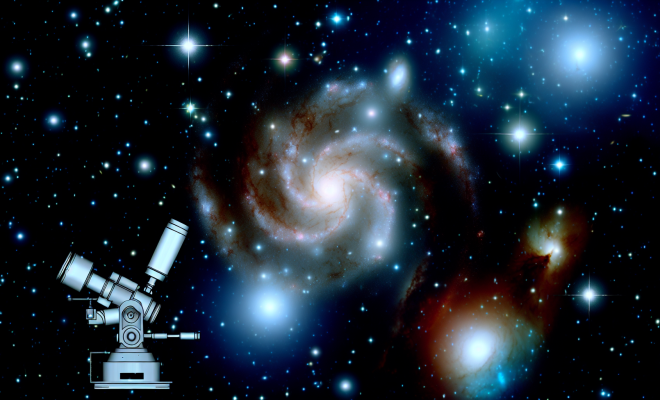
In a groundbreaking achievement that showcases the power of modern astronomy, NASA has unveiled a breathtaking new image of the Pinwheel Galaxy, also known as Messier 101. This remarkable image is a product of collaboration between two of the most advanced telescopes in the world: the Hubble Space Telescope and the James Webb Space Telescope. Together, these instruments have provided a stunning visual of a galaxy located an astonishing 25 million light-years away, nestled in the constellation Ursa Major.
The Pinwheel Galaxy: A Cosmic Marvel
Messier 101, or the Pinwheel Galaxy, is a giant spiral galaxy that spans approximately 170,000 light-years across, making it nearly twice the diameter of our own Milky Way Galaxy. This immense size allows for a wealth of astronomical phenomena, housing at least one trillion stars within its swirling arms. The sheer scale and complexity of the Pinwheel Galaxy make it a focal point of study for astronomers seeking to understand the structure and evolution of galaxies.
Location and Discovery
Discovered by the French astronomer Pierre Méchain in 1781, the Pinwheel Galaxy was later cataloged by Charles Messier, who included it in his famous catalog of nebulae. Situated in the northern celestial hemisphere, this galaxy is prominently visible in the night sky, and its striking spiral structure has captivated astronomers and stargazers alike for centuries.
The Hubble Space Telescope: A Legacy of Discovery
Launched in 1990, the Hubble Space Telescope has revolutionized our understanding of the universe. It has provided invaluable data and stunning images that have reshaped our knowledge of galaxies, nebulae, and other astronomical phenomena. Hubble’s advanced optics and unique location above Earth’s atmosphere allow it to capture incredibly detailed images of distant cosmic objects.
Technological Capabilities
One of Hubble’s standout features is its ability to observe in multiple wavelengths, from ultraviolet to near-infrared light. This capability enables astronomers to study celestial objects in unprecedented detail, revealing the complexities of their structure and composition. The telescope’s observations of the Pinwheel Galaxy have offered insights into its star formation processes, chemical composition, and overall dynamics.
The James Webb Space Telescope: A New Era in Astronomy
As Hubble’s successor, the James Webb Space Telescope (JWST) represents a significant leap forward in astronomical technology. Launched on December 25, 2021, JWST is designed to observe the universe in the infrared spectrum, allowing it to peer through cosmic dust and gas. This capability is particularly important for studying the early universe and the formation of stars and galaxies.
Infrared Observations
The infrared capabilities of JWST enable astronomers to study objects that are too faint or obscured for Hubble to observe effectively. By combining data from both telescopes, scientists can achieve a comprehensive view of the Pinwheel Galaxy, gaining insights into its stellar populations and the processes that govern its evolution.
Combining Forces: A New Image of the Pinwheel Galaxy
The collaboration between Hubble and JWST marks a significant milestone in the field of astronomy. As both telescopes target the same cosmic object, they provide complementary data that enhances our understanding of the galaxy’s structure and composition. The latest image of the Pinwheel Galaxy showcases the intricate details of its spiral arms, vibrant star clusters, and the vast expanse of interstellar space surrounding it.
Significance of the Image
This new image not only highlights the aesthetic beauty of the Pinwheel Galaxy but also serves as a testament to the technological advancements that have occurred in the field of astronomy. The combination of Hubble’s optical observations and JWST’s infrared capabilities allows scientists to explore the galaxy in ways that were previously unimaginable.
Scientific Implications of the Findings
The data obtained from the combined observations of Hubble and JWST have profound implications for our understanding of galaxy formation and evolution. By studying the Pinwheel Galaxy, astronomers can glean insights into:
- Star Formation: The intricate structure of the galaxy’s spiral arms is indicative of ongoing star formation. Observations can reveal how stars are born and evolve within these regions.
- Galaxy Dynamics: The gravitational interactions between stars and gas within the galaxy can be studied to understand its overall dynamics and stability.
- Chemical Composition: Analyzing the light emitted by different elements in the galaxy helps scientists determine its chemical makeup and the processes that have shaped it over billions of years.
A Broader Perspective on Our Universe
The collaboration between Hubble and JWST not only enhances our understanding of the Pinwheel Galaxy but also contributes to a broader perspective on our universe. By examining galaxies like Messier 101, astronomers can draw parallels and contrasts with our Milky Way, shedding light on the unique characteristics that define different types of galaxies.
Exploring Other Galaxies
The techniques and methodologies developed through studying the Pinwheel Galaxy can be applied to other galaxies, enriching our understanding of galactic evolution across the cosmos. The ability to observe multiple galaxies in various stages of development helps astronomers piece together the history of our universe.
The Future of Cosmic Exploration
As we continue to explore the depths of the universe, the partnership between Hubble and JWST symbolizes a new era in astronomical research. The advancements in technology and observational capabilities are paving the way for future discoveries that will further unravel the mysteries of the cosmos.
Upcoming Missions and Instruments
Looking ahead, several upcoming missions are set to enhance our understanding of the universe even further. Instruments like the European Space Agency’s Euclid mission and NASA’s Roman Space Telescope will complement the work of Hubble and JWST, providing additional data on dark energy, galaxy formation, and the large-scale structure of the cosmos.
Conclusion
The release of the stunning new image of the Pinwheel Galaxy represents a significant achievement in the field of astronomy. By harnessing the combined power of the Hubble and James Webb Space Telescopes, scientists are uncovering the intricate details of this cosmic giant, offering a glimpse into the processes that govern the universe. As we continue to explore the cosmos, the knowledge gained from these observations will deepen our understanding of our place in the universe and the fundamental forces that shape it.
References