NASA’s MoonFall Drones to Scout Lunar South Pole
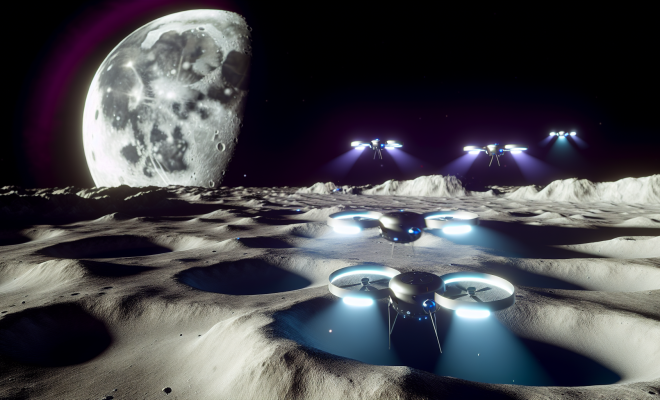
NASA is embarking on a groundbreaking mission to explore the lunar south pole using a fleet of innovative drones known as MoonFall. This initiative aims to navigate the challenging terrain of one of the Moon’s most intriguing regions, which is believed to hold valuable resources and potential landing sites for future missions. The project highlights NASA’s commitment to expanding human presence in space and enhancing our understanding of the Moon.
The Significance of the Lunar South Pole
The lunar south pole is a region of great interest for scientists and space agencies around the world. This area is characterized by its unique geological features and its potential to harbor water ice, a critical resource for sustaining human life during long-duration lunar missions. Water ice could be used for drinking, oxygen production, and even rocket fuel, making it an essential component for future exploration.
According to experts like Leonard David, the lunar south pole represents a strategic location for NASA’s Artemis program, which aims to return humans to the Moon by the mid-2020s and establish a sustainable presence. The MoonFall drones will play a crucial role in scouting this area, helping to identify safe landing sites and assess the availability of resources.
The MoonFall Drone Fleet
The MoonFall project will involve the deployment of a fleet of drones, each designed to traverse approximately 30 miles across the lunar surface. These drones are equipped with advanced technology that allows them to navigate the rugged terrain and collect data on the Moon’s surface composition, topography, and potential resources.
One of the key features of the MoonFall drones is their ability to operate autonomously. They will be programmed to conduct missions without direct human control, allowing them to cover vast areas efficiently and gather critical information that will inform future lunar missions.
Design and Capabilities
The design of the MoonFall drones incorporates cutting-edge technology that enhances their operational capabilities. Key features include:
- Advanced Navigation Systems: The drones will utilize sophisticated navigation systems that allow them to map their surroundings and avoid obstacles.
- High-Resolution Imaging: Equipped with cameras and sensors, the drones will capture high-resolution images of the lunar surface, enabling scientists to analyze geological features.
- Data Transmission: The drones will be capable of transmitting data back to Earth, providing real-time insights into their findings.
- Autonomous Operation: The drones will be able to make decisions on the fly, adjusting their paths and missions based on environmental conditions.
Timeline and Objectives
NASA aims to complete the deployment and operational testing of the MoonFall drones by the end of 2028. This timeline aligns with the agency’s broader goals for the Artemis program and its plans for sustainable lunar exploration.
The primary objectives of the MoonFall mission include:
- Scouting Potential Landing Sites: Identifying safe and suitable locations for future crewed and uncrewed missions to the lunar south pole.
- Resource Assessment: Evaluating the availability of water ice and other valuable resources that could support long-term human presence on the Moon.
- Geological Studies: Conducting detailed analyses of the Moon’s geological features to enhance our understanding of its history and formation.
Collaboration and Support
The success of the MoonFall project hinges on collaboration between various NASA divisions, private industry partners, and international space agencies. By working together, these organizations can leverage their expertise and resources to overcome the challenges of lunar exploration.
NASA’s commitment to innovation and exploration is further demonstrated by its partnerships with commercial space companies, which are developing technologies that will support the MoonFall mission and other Artemis objectives.
Expert Insights
Experts in the field underscore the importance of the MoonFall initiative. Leonard David, a prominent space journalist, emphasizes that scouting the lunar south pole is vital for preparing for future missions. “We believe we can do it,” he states, reflecting the confidence shared by many in the scientific community regarding the feasibility of this ambitious project.
Challenges Ahead
Despite the excitement surrounding the MoonFall project, several challenges must be addressed before the drones can be deployed successfully. These challenges include:
- Harsh Lunar Environment: The Moon’s surface experiences extreme temperatures and radiation, which can affect the performance of the drones.
- Communication Delays: The distance between the Moon and Earth poses communication challenges, necessitating autonomous operation capabilities.
- Terrain Navigation: The rugged and uneven lunar landscape requires advanced navigation systems to ensure safe travel.
Future Implications
The implications of the MoonFall project extend beyond the immediate goals of exploration. As NASA gathers data and insights from the lunar south pole, this information will inform future missions to Mars and beyond. Understanding the Moon’s resources and geology will provide a foundation for humanity’s next steps in space exploration.
Moreover, the technologies developed for the MoonFall drones may have applications beyond lunar exploration. Innovations in autonomous navigation, imaging, and data analysis could benefit various industries on Earth, from agriculture to disaster response.
Conclusion
NASA’s MoonFall initiative represents a significant step forward in our quest to explore the Moon and establish a sustainable human presence in space. By deploying a fleet of drones to scout the lunar south pole, NASA aims to unlock the secrets of this intriguing region and pave the way for future exploration.
As the agency moves forward with this ambitious plan, the world will be watching closely, eager to witness the next chapter in humanity’s journey to the stars.