Indian Travelers Flock to Tokyo & Bangkok for Summer 2026
Introduction
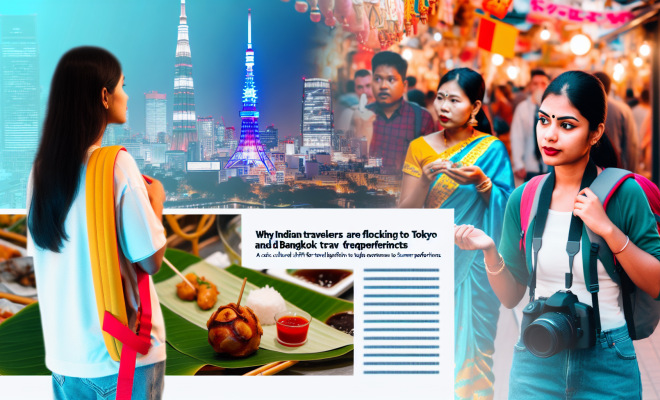
As travel trends evolve, the preferences of Indian travelers are shifting towards vibrant Asian cities, with Tokyo and Bangkok emerging as top choices for summer vacations in 2026. This trend is not merely a fleeting fancy; it is a reflection of deeper cultural influences, culinary explorations, and the accessibility of these destinations. In this article, we delve into the reasons behind this growing fascination with Asia, particularly Japan and South Korea, and how they have captivated the Indian traveler’s imagination.
The Shift in Travel Preferences
Recent data reveals a remarkable surge in interest among Indian travelers towards destinations like Tokyo, Osaka, and Busan. Searches for Tokyo have increased by over 90%, while Osaka has seen an 85% uptick, and Busan has surged by more than 95%. This data indicates a significant pivot from traditional European destinations, which have long been favored by Indian tourists. The allure of Asian cities can be attributed to various factors that resonate with the Indian traveler’s evolving desires.
Pop Culture Influence
One of the most significant drivers of this trend is the influence of pop culture. The global popularity of Japanese anime, Korean dramas, and K-pop music has created a cultural affinity among Indian youth towards these countries. Popular series and films featuring stunning landscapes and vibrant city life have sparked a desire to experience these cultures firsthand. Social media platforms, particularly Instagram and TikTok, showcase picturesque locations in Tokyo and Bangkok, further fueling the wanderlust of young Indians.
Culinary Adventures
Food is a universal language, and for Indian travelers, the culinary scene in Tokyo and Bangkok is irresistible. Both cities are celebrated for their diverse and delectable food offerings. From Tokyo’s sushi bars to Bangkok’s street food vendors, the gastronomic experiences are a significant draw. Travelers are seeking authentic experiences that allow them to explore local flavors, engage in cooking classes, and even partake in food tours that highlight regional specialties. This culinary curiosity is not just about eating but about understanding the cultural significance behind each dish.
Accessibility and Connectivity
The geographical proximity of these Asian destinations makes them more accessible than European countries, especially for short trips. Direct flights from major Indian cities to Tokyo, Bangkok, and other Asian hubs have become increasingly common, reducing travel time and making planning easier. Additionally, the competitive pricing of flights and accommodations encourages travelers to consider these destinations for their summer vacations.
Exploring the Top Destinations
Let’s take a closer look at what Tokyo, Osaka, and Busan offer to Indian travelers in terms of attractions, experiences, and unique local culture.
Tokyo: A Fusion of Tradition and Futurism
Tokyo is a mesmerizing blend of the traditional and the ultra-modern. Visitors can explore ancient temples such as Senso-ji in Asakusa, juxtaposed with the futuristic skyline of Shibuya and Shinjuku. The city is a sanctuary for technology enthusiasts, with attractions like the teamLab Borderless digital art museum and the iconic Tokyo Tower.
- Must-Visit Attractions:
- Senso-ji Temple: Tokyo’s oldest temple, known for its stunning architecture and bustling Nakamise shopping street.
- Shibuya Crossing: One of the busiest pedestrian crossings in the world, offering a quintessential Tokyo experience.
- Tokyo Disneyland: A magical experience for families and Disney fans alike.
- Unique Experiences:
- Culinary Tours: Discover the art of sushi-making or indulge in a ramen tasting tour.
- Shopping in Harajuku: Explore the eccentric fashion scene and trendy boutiques.
- Day Trips: Visit nearby attractions such as Mount Fuji and the historic city of Kamakura.
Osaka: The Kitchen of Japan
Osaka is often referred to as the culinary capital of Japan, making it a must-visit for food lovers. Known for its vibrant street food culture, Osaka offers everything from takoyaki (octopus balls) to okonomiyaki (savory pancakes). The city is also home to Universal Studios Japan, making it a family-friendly destination.
- Must-Visit Attractions:
- Osaka Castle: A historic landmark surrounded by beautiful gardens.
- Dotonbori: A lively district famous for its neon lights and street food.
- Universal Studios Japan: A fantastic theme park featuring rides and attractions based on popular movies.
- Unique Experiences:
- Food Tours: Join a guided tour to sample local delicacies and hidden gems.
- Sumiyoshi Taisha Shrine: One of Japan’s oldest shrines, offering a glimpse into traditional Shinto practices.
- Shopping in Namba: Explore trendy shops and local boutiques.
Busan: A Coastal Gem
Busan, Korea’s second-largest city, is renowned for its stunning beaches, seafood, and vibrant markets. As a coastal city, it attracts travelers looking for both relaxation and adventure. The picturesque landscapes of Haeundae Beach and the bustling Jagalchi Fish Market are just a few of Busan’s highlights.
- Must-Visit Attractions:
- Haeundae Beach: A popular beach destination with a lively atmosphere.
- Gamcheon Culture Village: A colorful hillside community known for its artistic vibe.
- Beomeosa Temple: A serene Buddhist temple located in the mountains.
- Unique Experiences:
- Seafood Markets: Experience the local seafood scene at Jagalchi Fish Market.
- Korean BBQ: Indulge in an authentic Korean BBQ experience.
- Night Markets: Explore Busan’s night markets for unique shopping and food experiences.
Cultural and Historical Connections
Beyond the modern attractions, Indian travelers are drawn to the rich cultural and historical connections that these Asian cities offer. Japan and South Korea have deep-rooted traditions that resonate with the Indian ethos, such as respect for family and community, and a strong connection to history and art.
Japan’s Cultural Heritage
The Land of the Rising Sun is steeped in history, with traditions that date back thousands of years. Visitors can explore ancient practices such as tea ceremonies, traditional calligraphy, and Ikebana (flower arranging), which offer insights into Japanese philosophy and aesthetics.
Korea’s Historical Significance
Korea boasts a rich tapestry of history that is reflected in its numerous palaces, temples, and UNESCO World Heritage sites. Korean traditional music, dance, and art forms like hanbok (traditional clothing) resonate with Indian travelers seeking a cultural experience.
Traveling Responsibly
As travel preferences shift, it’s essential for travelers to engage responsibly with the cultures and environments of their chosen destinations. This includes respecting local customs, supporting local businesses, and minimizing their environmental impact. Indian travelers are increasingly aware of their role in promoting sustainable tourism.
Supporting Local Economies
By choosing to eat at local restaurants, shop at artisan markets, and participate in community-led tours, travelers can support the local economy and foster positive relationships with residents. This not only enriches the travel experience but also contributes to the preservation of cultural heritage.
Environmental Considerations
In light of global environmental challenges, it is crucial for travelers to adopt eco-friendly practices. This includes reducing waste, using public transport, and choosing accommodations that prioritize sustainability. Indian travelers can make informed choices that align with their values and contribute to the well-being of the planet.
The Future of Travel: Asia on the Rise
The trends observed in 2026 are likely to shape the future of travel for Indian tourists. As Asia continues to grow in popularity, countries will need to adapt to meet the needs of this influx of travelers. This includes enhancing infrastructure, promoting cultural exchanges, and ensuring that tourism is sustainable and beneficial for both visitors and locals.
Emerging Destinations
While Tokyo, Osaka, and Busan currently dominate the travel preferences of Indians, other Asian destinations are also gaining traction. Cities like Seoul, Bangkok, and Singapore are becoming increasingly popular due to their unique offerings and experiences. This growth opens up opportunities for travelers to explore lesser-known regions, enriching their travel experiences.
Conclusion
The evolution of travel preferences among Indian tourists reflects a broader cultural shift towards Asia’s dynamic cities. With their rich traditions, vibrant food scenes, and accessibility, destinations like Tokyo, Osaka, and Busan are poised to capture the hearts of travelers seeking meaningful experiences. As we look towards the future, it is evident that Asia will continue to hold a prominent place in the travel aspirations of Indian explorers.
As the world becomes increasingly interconnected, the journeys of Indian travelers to these Asian destinations will not only enrich their own lives but also promote cross-cultural understanding and appreciation. The future of travel is bright, and Asia stands at the forefront of this exciting new era.