
NASA’s Artemis II Mission: Astronauts Prepare for Historic Splashdown After Lunar Flyby
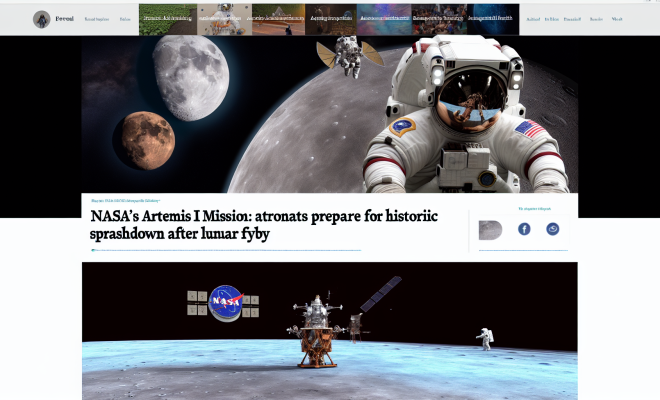
As NASA’s Artemis II mission approaches its conclusion, the excitement surrounding its historic return to Earth is palpable. Scheduled for splashdown on April 10, 2026, the mission’s crew of four astronauts is preparing to make history as they complete their lunar flyby aboard the Orion spacecraft.
A Pioneering Journey
The Artemis II mission represents a significant milestone in humanity’s quest to explore outer space. It is the first crewed mission under the Artemis program, which aims to establish a sustainable human presence on the Moon and eventually pave the way for future human exploration of Mars. This mission follows the successful Artemis I unmanned flight that tested the Orion spacecraft’s capabilities.
The Crew of Artemis II
Comprising four highly trained astronauts, the Artemis II crew includes:
- Christina Koch – Mission Specialist
- Jeremy Hansen – Mission Commander
- Victor Glover – Pilot
- Jessica Watkins – Mission Specialist
This diverse team brings a wealth of experience to the mission, with backgrounds in engineering, physics, and extensive time spent in space. Their collective expertise will be crucial as they navigate the complexities of their lunar flyby and subsequent re-entry into Earth’s atmosphere.
Technical Preparations for Re-entry
As the Orion spacecraft prepares to re-enter the Earth’s atmosphere, the crew is focused on ensuring that all systems are functioning optimally. The spacecraft will experience extreme heat and friction as it descends, reaching temperatures of approximately 2,800 degrees Fahrenheit (about 1,538 degrees Celsius). To withstand these conditions, the Orion is equipped with a state-of-the-art heat shield designed to protect the spacecraft and its occupants.
The re-entry process will involve a series of carefully coordinated maneuvers to ensure a safe landing. After entering the atmosphere, the spacecraft will deploy parachutes at specific altitudes to slow its descent. This step is critical for achieving a soft splashdown in the Pacific Ocean, where favorable weather conditions and calm seas are expected.
Environmental Considerations
NASA has meticulously planned the mission’s return, taking into account various environmental factors. The choice of the Pacific Ocean as the splashdown site is strategic, given the ocean’s vast expanse and relatively predictable weather patterns. The agency has also conducted extensive simulations to prepare for any unexpected challenges that may arise during re-entry and landing.
The Significance of Artemis II
The Artemis II mission is not just a journey to the Moon; it is a critical step toward establishing a long-term human presence beyond Earth. By testing new technologies and gathering data from the lunar flyby, NASA aims to gather insights that will inform future missions, including those targeting Mars.
In addition to its scientific objectives, Artemis II serves as a platform for international collaboration in space exploration. The mission exemplifies the commitment of various space agencies and commercial partners to work together in advancing our understanding of the universe.
Looking Ahead
The successful completion of Artemis II will set the stage for subsequent Artemis missions, including the much-anticipated Artemis III mission, which aims to land astronauts on the Moon’s surface. This upcoming mission will mark the first time humans have set foot on the lunar surface since the Apollo program ended in 1972.
As the Artemis program progresses, it is also expected to inspire a new generation of scientists, engineers, and explorers. The excitement generated by these missions is crucial for fostering interest in STEM fields and encouraging young people to pursue careers in space exploration.
Conclusion
The Artemis II mission is a testament to human ingenuity and determination. As astronauts prepare for their historic splashdown, the mission symbolizes not only a return to lunar exploration but also a bold step toward future endeavors on Mars and beyond. With each milestone reached, NASA continues to inspire dreams of space travel and exploration, igniting curiosity and ambition in people worldwide.
As we look toward the future of space exploration, the Artemis II mission serves as a reminder of what is possible when nations and individuals come together to push the boundaries of knowledge and capability.


