Northern Lights 2026: Solar Storm Promises US Aurora Spectacle
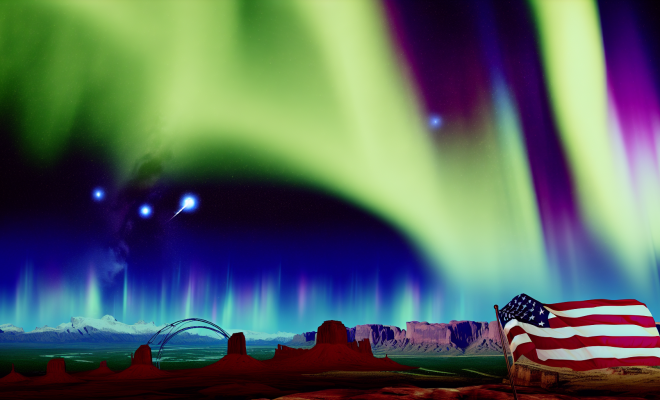
As the Earth prepares to dance with cosmic energy, a spectacular show of nature is set to illuminate the skies. On March 19, 2026, a solar storm is expected to reach our planet, bringing with it the potential for dazzling displays of the Northern Lights, or aurora borealis, visible even from the United States. This celestial phenomenon, often associated with polar regions, is about to put on a breathtaking performance for those willing to venture into the night.
The Science Behind the Northern Lights
The Northern Lights are caused by charged particles emitted by the sun colliding with the Earth’s magnetic field. When these particles interact with gases in the Earth’s atmosphere, they create radiant displays of light that can vary in color from greens to purples, reds, and yellows. The intensity and visibility of these lights depend largely on solar activity, which is where the upcoming solar storm comes into play.
What to Expect from the Solar Storm
The National Oceanic and Atmospheric Administration (NOAA) forecasts a Kp index of 3 on the first night of the storm, indicating minor geomagnetic activity primarily at higher latitudes, such as Alaska and northern Canada. However, the following night, March 20, is poised to offer an even better opportunity for aurora viewing with a projected Kp index of 6, categorizing it as a G2 storm. This means that the lights may be visible much farther south than usual, making it an exciting event for many in the contiguous United States.
Best Viewing Locations
To maximize your chances of witnessing this ethereal spectacle, it’s crucial to select the right location. Here are some of the top spots in the U.S. where the Northern Lights may be visible:
- Fairbanks, Alaska – Renowned for its frequent aurora sightings, Fairbanks offers numerous tours and activities centered around the Northern Lights.
- Michigan’s Upper Peninsula – A hidden gem for aurora hunters, the rugged wilderness and minimal light pollution create perfect viewing conditions.
- North Dakota – Places like Theodore Roosevelt National Park provide vast, open landscapes ideal for aurora viewing.
- Montana – Areas near Glacier National Park are excellent for those looking to combine outdoor adventure with Northern Lights viewing.
- New York’s Adirondacks – The dark skies of the Adirondacks can provide an excellent backdrop for the auroras.
Tips for Aurora Viewing
For the best experience when viewing the Northern Lights, consider the following tips:
- Time Your Viewing: The ideal time to see the auroras is typically between 10 PM and 2 AM local time, when the skies are darkest.
- Seek High Vantage Points: Locations with a clear view to the north and minimal light pollution will enhance visibility.
- Dress Warmly: Temperatures can drop significantly at night, especially in northern regions, so layers and insulated clothing are advisable.
- Use Night Mode on Your Smartphone: Modern smartphones equipped with Night Mode can capture the aurora beautifully. Ensure your device is steady—using a tripod or makeshift support can help achieve clearer shots.
- Bring Snacks and Warm Drinks: Preparing for a few hours under the stars will be more enjoyable with some refreshments.
Plan Ahead
If you’re considering a trip to view the Northern Lights, it’s essential to plan your travel ahead of time. Check local weather forecasts, as clear skies are crucial for optimal viewing conditions. Additionally, consider booking accommodations in advance, especially in popular viewing areas, as they may fill up quickly during significant solar events.
Conclusion
The upcoming solar storm on March 19-20, 2026, presents a unique opportunity for many to experience the magic of the Northern Lights right from the U.S. Whether you’re a seasoned aurora chaser or a curious first-timer, this celestial event promises to be a memorable one. Prepare your cameras, bundle up, and get ready to gaze into the night sky as the Earth’s atmosphere transforms into a canvas of vibrant colors.