The Edvocate

Top Menu

Main Menu

  • Start Here
    • Our Brands
    • Governance
      • Lynch Education Consulting, LLC.
      • Dr. Lynch’s Personal Website
      • Careers
    • Write For Us
    • Books
    • The Tech Edvocate Product Guide
    • Contact Us
    • The Edvocate Podcast
    • Edupedia
    • Pedagogue
    • Terms and Conditions
    • Privacy Policy
  • PreK-12
    • Assessment
    • Assistive Technology
    • Best PreK-12 Schools in America
    • Child Development
    • Classroom Management
    • Early Childhood
    • EdTech & Innovation
    • Education Leadership
    • Equity
    • First Year Teachers
    • Gifted and Talented Education
    • Special Education
    • Parental Involvement
    • Policy & Reform
    • Teachers
  • Higher Ed
    • Best Colleges and Universities
    • Best College and University Programs
    • HBCU’s
    • Diversity
    • Higher Education EdTech
    • Higher Education
    • International Education
  • Advertise
  • The Tech Edvocate Awards
    • The Awards Process
    • Finalists and Winners of The 2026 Tech Edvocate Awards
    • Finalists and Winners of The 2025 Tech Edvocate Awards
    • Finalists and Winners of The 2024 Tech Edvocate Awards
    • Finalists and Winners of The 2023 Tech Edvocate Awards
    • Finalists and Winners of The 2021 Tech Edvocate Awards
    • Finalists and Winners of The 2022 Tech Edvocate Awards
    • Finalists and Winners of The 2020 Tech Edvocate Awards
    • Finalists and Winners of The 2019 Tech Edvocate Awards
    • Finalists and Winners of The 2018 Tech Edvocate Awards
    • Finalists and Winners of The 2017 Tech Edvocate Awards
    • Award Seals
  • Apps
    • GPA Calculator for College
    • GPA Calculator for High School
    • Cumulative GPA Calculator
    • Grade Calculator
    • Weighted Grade Calculator
    • Final Grade Calculator
  • The Tech Edvocate
  • Post a Job
  • AI Powered Personal Tutor

logo

The Edvocate

  • Start Here
    • Our Brands
    • Governance
      • Lynch Education Consulting, LLC.
      • Dr. Lynch’s Personal Website
        • My Speaking Page
      • Careers
    • Write For Us
    • Books
    • The Tech Edvocate Product Guide
    • Contact Us
    • The Edvocate Podcast
    • Edupedia
    • Pedagogue
    • Terms and Conditions
    • Privacy Policy
  • PreK-12
    • Assessment
    • Assistive Technology
    • Best PreK-12 Schools in America
    • Child Development
    • Classroom Management
    • Early Childhood
    • EdTech & Innovation
    • Education Leadership
    • Equity
    • First Year Teachers
    • Gifted and Talented Education
    • Special Education
    • Parental Involvement
    • Policy & Reform
    • Teachers
  • Higher Ed
    • Best Colleges and Universities
    • Best College and University Programs
    • HBCU’s
    • Diversity
    • Higher Education EdTech
    • Higher Education
    • International Education
  • Advertise
  • The Tech Edvocate Awards
    • The Awards Process
    • Finalists and Winners of The 2026 Tech Edvocate Awards
    • Finalists and Winners of The 2025 Tech Edvocate Awards
    • Finalists and Winners of The 2024 Tech Edvocate Awards
    • Finalists and Winners of The 2023 Tech Edvocate Awards
    • Finalists and Winners of The 2021 Tech Edvocate Awards
    • Finalists and Winners of The 2022 Tech Edvocate Awards
    • Finalists and Winners of The 2020 Tech Edvocate Awards
    • Finalists and Winners of The 2019 Tech Edvocate Awards
    • Finalists and Winners of The 2018 Tech Edvocate Awards
    • Finalists and Winners of The 2017 Tech Edvocate Awards
    • Award Seals
  • Apps
    • GPA Calculator for College
    • GPA Calculator for High School
    • Cumulative GPA Calculator
    • Grade Calculator
    • Weighted Grade Calculator
    • Final Grade Calculator
  • The Tech Edvocate
  • Post a Job
  • AI Powered Personal Tutor
  • 15 Books to Recommend to Kids Who Love Harry Potter

  • This One Decision Is Quietly Revolutionizing Parenting For Thousands

  • Revealed: AI Is Dramatically Worsening Online Harms to Children — What Parents Must Know Now

  • The Game-Changing Bill That Could Revolutionize Mental Health Resources in Schools

  • Staggering: Millions of Parents Are Deleting Their Kids’ Photos Online — Here’s Why

  • Outrageous: The Texas Social Studies Curriculum Just Got a Radical Overhaul

  • Amazing Ways That Principals Celebrate Teachers

  • Stop Counting Screen Minutes. Let’s Study Whether Technology Helps Or Hurts Instead.

  • Unprecedented: Why Michigan’s Cell Phone Ban is Just the Beginning for Student Success

  • This $75,000 Private School Wants Your Kid to Go Viral – Here’s Why It’s Genius (or Madness)

Uncategorized
Home›Uncategorized›Digital Doom? Texting & Tweeting’s Impact on Student Writing

Digital Doom? Texting & Tweeting’s Impact on Student Writing

By Matthew Lynch
January 21, 2026
0
Spread the love

Introduction: Understanding the Digital Communication Landscape

In today’s fast-paced digital world, communication has undergone a radical transformation. The rise of texting, tweeting, and other forms of digital messaging has significantly altered how individuals express themselves. For students, these changes present unique challenges and opportunities, particularly concerning their writing skills. As they navigate a landscape dominated by abbreviations, emojis, and informal language, questions arise about the long-term effects on their ability to write effectively in more formal contexts. This article explores three profound effects of texting and tweeting on students’ writing skills, providing insights into the implications for educators, parents, and students themselves.

Impact of Abbreviated Language: The Rise of Text Speak

One of the most noticeable effects of texting and tweeting on students’ writing skills is the prevalence of abbreviated language. Texting encourages quick, efficient communication, often leading to the use of shortcuts and slang. This phenomenon, commonly referred to as “text speak,” involves the use of acronyms, initialisms, and informal phrases that are easily understood within the context of digital conversations.

For example, phrases like “LOL” (laugh out loud), “BRB” (be right back), and “OMG” (oh my God) have become commonplace in students’ vocabulary. While this shorthand can make communication quicker and more efficient among peers, it raises concerns about its influence on formal writing.

Students may unconsciously incorporate text speak into academic essays, reports, and other writing assignments, leading to a decline in the quality and professionalism of their work. Furthermore, the reliance on abbreviated language can hinder their ability to articulate thoughts clearly and develop a robust vocabulary, essential skills in academic and professional settings.

Critical Thinking and Structure: The Challenge of Coherent Expression

Another significant effect of the digital communication style is its impact on students’ critical thinking and ability to structure their writing. The brevity required in texts and tweets often encourages students to condense their thoughts into short, fragmented messages. While this may be suitable for social media platforms, it does not translate well to academic writing, which demands depth, coherence, and detailed analysis.

In many cases, students may struggle to expand on ideas or provide thorough explanations when required to write longer pieces. The habit of crafting concise messages can lead to a lack of elaboration in academic work, resulting in underdeveloped arguments and weak thesis statements. This shift in writing style can ultimately affect students’ performance in school, as they may find themselves ill-equipped to tackle essay assignments, research papers, or standardized tests that require extensive written responses.

Moreover, the reliance on digital communication may limit students’ exposure to diverse writing styles and genres. Traditional writing forms, such as essays, reports, and narratives, often encourage students to engage with different structures and techniques. However, if students primarily communicate through texting or tweeting, they may miss opportunities to hone their skills in crafting more complex and nuanced pieces of writing.

Attention Span and Focus: The Digital Distraction Dilemma

The third effect of texting and tweeting on students’ writing skills relates to attention span and focus. The rapid pace of digital communication fosters a culture of instant gratification, where the expectation is to respond quickly and efficiently. This constant barrage of notifications and messages can lead to distractions that impede students’ ability to concentrate on writing tasks.

Research suggests that the frequent use of digital devices can negatively impact attention span, making it challenging for students to engage deeply with their writing. When students are accustomed to multitasking—switching between texts, social media, and other online activities—they may find it difficult to dedicate sustained time and effort to a single writing project. The result is often a lack of focus, leading to lower-quality work and diminished writing skills over time.

Furthermore, the habit of rapid communication can diminish the value students place on the writing process. Instead of taking the time to plan, draft, and revise their work, they may rush to complete assignments, prioritizing speed over quality. This tendency can prevent them from developing essential writing skills, such as editing and refining their work, which are critical for producing polished and effective writing.Digital Doom?

Conclusion: Balancing Digital Communication and Writing Skills

In summary, the rise of texting and tweeting has significantly influenced students’ writing skills, presenting both challenges and opportunities. While these forms of communication may hinder clarity, structure, and focus, they also offer a unique platform for self-expression and creativity. By recognizing these impacts and implementing targeted educational strategies, educators can guide students toward developing a balanced approach that incorporates the benefits of digital communication while strengthening their traditional writing abilities.

Previous Article

Differentiated Math Solutions for Diverse Classrooms

Next Article

Digital Learning In The Classroom Us

Matthew Lynch

Related articles More from author

  • Uncategorized

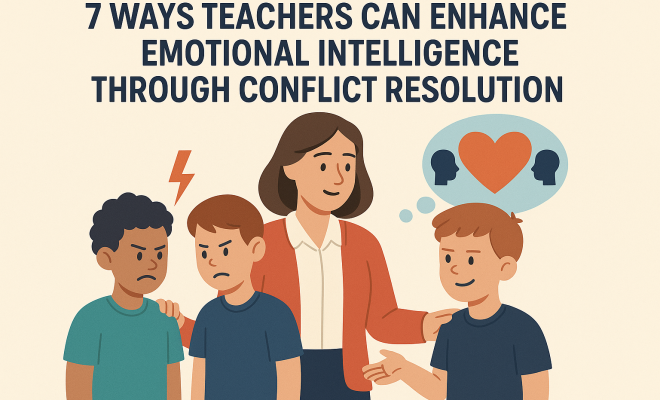
    Boost EI: Teachers’ 7 Conflict Resolution Strategies

    June 12, 2026
    By Matthew Lynch
  • Uncategorized

    6 Ways to Improve School Communication

    January 10, 2026
    By Matthew Lynch
  • Uncategorized

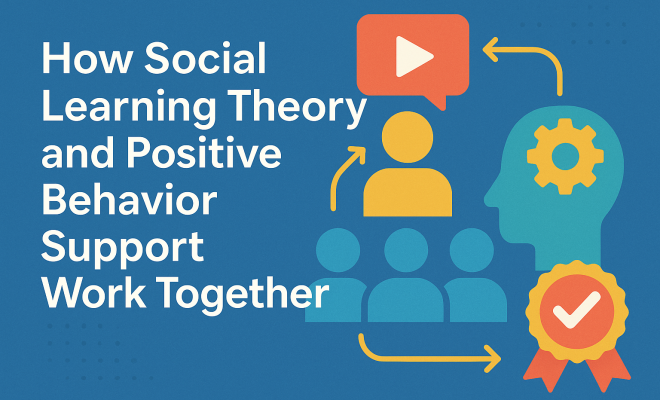
    Social Learning Theory & PBS: A Powerful Educational Duo

    June 19, 2026
    By Matthew Lynch
  • Uncategorized

    Addictive Game Designs: Ruining Kids in 2026?

    July 30, 2026
    By Matthew Lynch
  • Uncategorized

    Baffling: Feds Slash Youth Mental Health Funding Amid Crisis — What It Means For Your Kids

    September 12, 2026
    By Matthew Lynch
  • Uncategorized

    Cultivating Compassion: Essential Lessons for Student Success

    January 2, 2025
    By Matthew Lynch

Search

Registration and Login

  • Log in
  • Entries feed
  • Comments feed
  • WordPress.org

Newsletter

Signup for The Edvocate Newsletter and have the latest in P-20 education news and opinion delivered to your email address!

RSS feed: Matthew on Education Week Matthew on Education Week

  • Au Revoir from Education Futures November 20, 2018 Matthew Lynch
  • 6 Steps to Data-Driven Literacy Instruction October 17, 2018 Matthew Lynch
  • Four Keys to a Modern IT Approach in K-12 Schools October 2, 2018 Matthew Lynch
  • What's the Difference Between Burnout and Demoralization, and What Can Teachers Do About It? September 27, 2018 Matthew Lynch
  • Revisiting Using Edtech for Bullying and Suicide Prevention September 10, 2018 Matthew Lynch

About Us

The Edvocate was created in 2014 to argue for shifts in education policy and organization in order to enhance the quality of education and the opportunities for learning afforded to P-20 students in America. What we envisage may not be the most straightforward or the most conventional ideas. We call for a relatively radical and certainly quite comprehensive reorganization of America’s P-20 system.

That reorganization, though, and the underlying effort, will have much to do with reviving the American education system, and reviving a national love of learning.  The Edvocate plans to be one of key architects of this revival, as it continues to advocate for education reform, equity, and innovation.

Newsletter

Signup for The Edvocate Newsletter and have the latest in P-20 education news and opinion delivered to your email address!

Contact

The Edvocate
910 Goddin Street
Richmond, VA 23230
(601) 630-5238
[email protected]
  • situs togel online
  • dentoto
  • situs toto 4d
  • situs toto slot
  • toto slot 4d
Copyright (c) 2026 Matthew Lynch. All rights reserved.