The Edvocate

Top Menu

Main Menu

  • Start Here
    • Our Brands
    • Governance
      • Lynch Education Consulting, LLC.
      • Dr. Lynch’s Personal Website
      • Careers
    • Write For Us
    • Books
    • The Tech Edvocate Product Guide
    • Contact Us
    • The Edvocate Podcast
    • Edupedia
    • Pedagogue
    • Terms and Conditions
    • Privacy Policy
  • PreK-12
    • Assessment
    • Assistive Technology
    • Best PreK-12 Schools in America
    • Child Development
    • Classroom Management
    • Early Childhood
    • EdTech & Innovation
    • Education Leadership
    • Equity
    • First Year Teachers
    • Gifted and Talented Education
    • Special Education
    • Parental Involvement
    • Policy & Reform
    • Teachers
  • Higher Ed
    • Best Colleges and Universities
    • Best College and University Programs
    • HBCU’s
    • Diversity
    • Higher Education EdTech
    • Higher Education
    • International Education
  • Advertise
  • The Tech Edvocate Awards
    • The Awards Process
    • Finalists and Winners of The 2026 Tech Edvocate Awards
    • Finalists and Winners of The 2025 Tech Edvocate Awards
    • Finalists and Winners of The 2024 Tech Edvocate Awards
    • Finalists and Winners of The 2023 Tech Edvocate Awards
    • Finalists and Winners of The 2021 Tech Edvocate Awards
    • Finalists and Winners of The 2022 Tech Edvocate Awards
    • Finalists and Winners of The 2020 Tech Edvocate Awards
    • Finalists and Winners of The 2019 Tech Edvocate Awards
    • Finalists and Winners of The 2018 Tech Edvocate Awards
    • Finalists and Winners of The 2017 Tech Edvocate Awards
    • Award Seals
  • Apps
    • GPA Calculator for College
    • GPA Calculator for High School
    • Cumulative GPA Calculator
    • Grade Calculator
    • Weighted Grade Calculator
    • Final Grade Calculator
  • The Tech Edvocate
  • Post a Job
  • AI Powered Personal Tutor

logo

The Edvocate

  • Start Here
    • Our Brands
    • Governance
      • Lynch Education Consulting, LLC.
      • Dr. Lynch’s Personal Website
        • My Speaking Page
      • Careers
    • Write For Us
    • Books
    • The Tech Edvocate Product Guide
    • Contact Us
    • The Edvocate Podcast
    • Edupedia
    • Pedagogue
    • Terms and Conditions
    • Privacy Policy
  • PreK-12
    • Assessment
    • Assistive Technology
    • Best PreK-12 Schools in America
    • Child Development
    • Classroom Management
    • Early Childhood
    • EdTech & Innovation
    • Education Leadership
    • Equity
    • First Year Teachers
    • Gifted and Talented Education
    • Special Education
    • Parental Involvement
    • Policy & Reform
    • Teachers
  • Higher Ed
    • Best Colleges and Universities
    • Best College and University Programs
    • HBCU’s
    • Diversity
    • Higher Education EdTech
    • Higher Education
    • International Education
  • Advertise
  • The Tech Edvocate Awards
    • The Awards Process
    • Finalists and Winners of The 2026 Tech Edvocate Awards
    • Finalists and Winners of The 2025 Tech Edvocate Awards
    • Finalists and Winners of The 2024 Tech Edvocate Awards
    • Finalists and Winners of The 2023 Tech Edvocate Awards
    • Finalists and Winners of The 2021 Tech Edvocate Awards
    • Finalists and Winners of The 2022 Tech Edvocate Awards
    • Finalists and Winners of The 2020 Tech Edvocate Awards
    • Finalists and Winners of The 2019 Tech Edvocate Awards
    • Finalists and Winners of The 2018 Tech Edvocate Awards
    • Finalists and Winners of The 2017 Tech Edvocate Awards
    • Award Seals
  • Apps
    • GPA Calculator for College
    • GPA Calculator for High School
    • Cumulative GPA Calculator
    • Grade Calculator
    • Weighted Grade Calculator
    • Final Grade Calculator
  • The Tech Edvocate
  • Post a Job
  • AI Powered Personal Tutor
  • Explosive: NJ Parental Rights Policy Ignites a War Over Kids’ Identities

  • This One Daily Screen Time Limit Is Quietly Fueling a Cognitive Crisis in Kids

  • Psychology says the “cool” parent who negotiates every boundary may leave children unprepared for one adult challenge – The Times of India

  • 60% of College Students Are Battling This Hidden Crisis — Why We Can’t Look Away

  • The Brutal Truth: AI Is Gutting Entry-Level Jobs – Here’s How to Fight Back

  • Entry-Level Coders Face a Brutal AI Reckoning: Here’s How to Survive

  • This Crucial Mistake Is Crushing Computer Science Grads’ Job Hopes

  • This One Thing Is Decimating the Computer Science Job Market for New Grads

  • DEI Training Resources: Alternatives to Traditional Teacher Development Programs

  • The Arbitrary Cancellation of DEI Grants: What It Means for Educators and MBA Programs

Uncategorized
Home›Uncategorized›AI in Education: Transforming Learning & Future Prospects

AI in Education: Transforming Learning & Future Prospects
By Matthew Lynch
May 11, 2026
0
Spread the love

As we delve deeper into the 21st century, the intersection of technology and education has never been more critical. One of the most profound shifts occurring today is the integration of AI in education, reshaping how students learn and how educators teach. A pivotal voice in this conversation is Harvard Professor David J. Malan, the creator of the widely popular CS50 online computer science course. In discussions surrounding the evolution of educational paradigms, Malan highlights the pressing need for universities to adapt to the rapid advancements in artificial intelligence.

The Role of AI in Transforming Learning

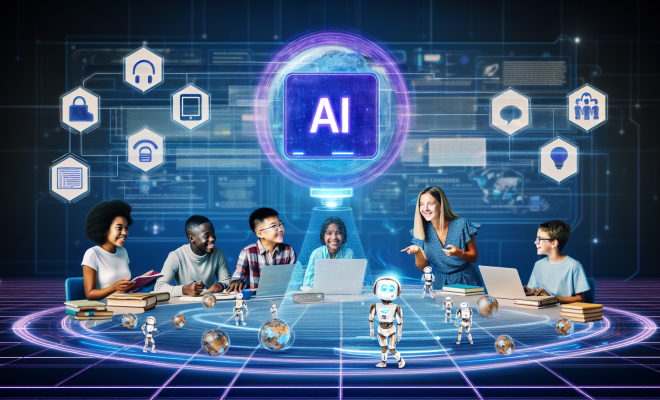
Artificial Intelligence is fundamentally changing the landscape of education, particularly in computer science. With the rise of intelligent tutoring systems and adaptive learning technologies, students can now receive personalized educational experiences. This shift allows learners to engage with content at their own pace, catering to individual strengths and weaknesses.

Malan emphasizes that the traditional model of lecturing, where instructors deliver information in a one-size-fits-all manner, is becoming increasingly inadequate. In an AI-enhanced classroom, the focus shifts from rote memorization to developing critical thinking and problem-solving skills. Students are encouraged to apply their knowledge creatively, which is essential in an era dominated by innovation and rapid technological change. With AI in education, the classroom is no longer limited to physical boundaries; it expands into a dynamic, interactive environment that fosters collaborative learning.

Challenges of AI-Enabled Cheating

While the benefits of AI in education are notable, they come with their own set of challenges. One of the most pressing concerns is the issue of academic integrity. As AI technologies evolve, so do the methods of academic dishonesty. Students may leverage AI tools to complete assignments or even take exams, undermining the value of their educational certifications.

Malan argues that universities must rethink their academic integrity policies to address these emerging risks. Traditional assessments may no longer suffice in ensuring that students possess the knowledge and skills they claim to have. This necessitates a shift towards more innovative evaluation methods, such as project-based assessments, oral exams, or practical demonstrations of knowledge that cannot be easily replicated by AI.

Adapting Teaching Methods

In light of these challenges, it is clear that educators must adapt their teaching methodologies. Lecturers and professors need to embrace technology, not shy away from it. By integrating AI tools into their curricula, educators can enhance the learning experience while maintaining academic integrity.

For instance, platforms utilizing AI can provide real-time feedback to students, allowing them to identify areas for improvement immediately. This not only helps students learn more effectively but also empowers them to take ownership of their educational journey. As Malan points out, the role of the educator is transitioning from the primary source of information to a facilitator of learning, guiding students as they navigate an AI-enhanced educational landscape.

Skills for an AI-Saturated Job Market

As the integration of AI in education continues to evolve, another significant concern emerges: what skills will be most valuable in an AI-saturated job market? Malan indicates that technical skills, particularly in computer science and data analysis, will remain highly sought after. However, soft skills such as creativity, critical thinking, and interpersonal communication will become even more crucial.

Employers are increasingly looking for candidates who can think outside the box and collaborate effectively within diverse teams. The ability to understand and utilize AI tools will also be a distinct advantage in the job market. Consequently, educational institutions need to integrate these elements into their curricula, ensuring that graduates are not only technically proficient but also equipped with the essential soft skills necessary for success.

Investment in Education: A Family’s Perspective

The emotional stakes of this transformation are significant, particularly for families investing in education. Parents and students are increasingly concerned about the value of traditional degrees in an AI-driven world. The fear of missing out on opportunities can lead to urgent questions about the future of education.

As the landscape shifts, families are seeking assurance that their investment in education will yield returns. This underscores the importance of universities adapting their offerings to align with the demands of modern employment markets. Courses that focus on AI, machine learning, and data science are likely to become more popular as students aim to equip themselves with relevant skills.

The Importance of Lifelong Learning

With the rapid pace of technological advancement, the concept of lifelong learning becomes increasingly pertinent. Malan stresses that education does not end with a degree; rather, it is a continuous process. As AI technologies evolve, professionals will need to engage in ongoing learning to remain relevant in their fields.

Institutions are beginning to recognize this need, offering flexible learning options such as online courses and certifications. These programs allow individuals to upskill or reskill as necessary, creating a culture of adaptability that is vital in today’s fast-paced job market.

Preparing for the Future

As we look to the future, it is clear that AI in education is not just a fleeting trend; it is a fundamental shift that will redefine learning and teaching. Educators, students, and institutions must all prepare for this transformation. By embracing technology and fostering a culture of innovation, we can ensure that education remains relevant and valuable.

Professor Malan’s insights provide a roadmap for this journey. By adapting teaching methods, rethinking academic integrity policies, and emphasizing the development of both technical and soft skills, educational institutions can better prepare students for a world increasingly influenced by AI.

In conclusion, the integration of AI in education presents both challenges and opportunities. While concerns about cheating and the value of degrees are valid, the potential for personalized learning and the development of essential skills offers a promising outlook. By remaining vigilant and responsive to these changes, we can create an education system that not only meets the needs of today but also prepares us for the uncertainties of tomorrow.


Previous Article

Favorite Writing Resources from Zaner-Bloser

Next Article

AI Content Strategy 2026: Transform Your SEO ...

Matthew Lynch

Related articles More from author

  • Uncategorized

    15 Cheesy Teacher Jokes That Make Us LOL

    January 2, 2025
    By Matthew Lynch
  • Uncategorized

    3 Alarming Global Trends: Ian Bremmer’s Conflict Warnings

    May 7, 2026
    By Matthew Lynch
  • Uncategorized

    Ann Abadie, Champion of Southern Studies, Is Dead at 84

    January 2, 2025
    By Matthew Lynch
  • Uncategorized

    NES Classic Edition Review: Is It Worth It for Switch Owners?

    January 2, 2025
    By Matthew Lynch
  • Uncategorized

    Trump Appoints Lance Schroyer as ICE Director: Impact on Immigration

    June 28, 2026
    By Matthew Lynch
  • Uncategorized

    Why Teachers Quit: Addressing the Crisis in Education

    January 2, 2025
    By Matthew Lynch

Search

Registration and Login

  • Log in
  • Entries feed
  • Comments feed
  • WordPress.org

Newsletter

Signup for The Edvocate Newsletter and have the latest in P-20 education news and opinion delivered to your email address!

RSS feed: Matthew on Education Week Matthew on Education Week

  • Au Revoir from Education Futures November 20, 2018 Matthew Lynch
  • 6 Steps to Data-Driven Literacy Instruction October 17, 2018 Matthew Lynch
  • Four Keys to a Modern IT Approach in K-12 Schools October 2, 2018 Matthew Lynch
  • What's the Difference Between Burnout and Demoralization, and What Can Teachers Do About It? September 27, 2018 Matthew Lynch
  • Revisiting Using Edtech for Bullying and Suicide Prevention September 10, 2018 Matthew Lynch

About Us

The Edvocate was created in 2014 to argue for shifts in education policy and organization in order to enhance the quality of education and the opportunities for learning afforded to P-20 students in America. What we envisage may not be the most straightforward or the most conventional ideas. We call for a relatively radical and certainly quite comprehensive reorganization of America’s P-20 system.

That reorganization, though, and the underlying effort, will have much to do with reviving the American education system, and reviving a national love of learning.  The Edvocate plans to be one of key architects of this revival, as it continues to advocate for education reform, equity, and innovation.

Newsletter

Signup for The Edvocate Newsletter and have the latest in P-20 education news and opinion delivered to your email address!

Contact

The Edvocate
910 Goddin Street
Richmond, VA 23230
(601) 630-5238
[email protected]
  • situs togel online
  • dentoto
  • situs toto 4d
  • situs toto slot
  • toto slot 4d
Copyright (c) 2026 Matthew Lynch. All rights reserved.