14 Classroom Organization Ideas Every Teacher Can Use

Classroom Organization Ideas Every Teacher Can Use
Introduction: The Importance of Classroom Organization
A well-organized classroom is essential for fostering a productive learning environment. Teachers who implement effective organization strategies can enhance student engagement, streamline lesson delivery, and create a sense of order that benefits everyone in the classroom. This article presents 14 classroom organization ideas that can be easily adopted by teachers to improve their classroom setup and enhance the overall educational experience.
Space Utilization: Maximizing Classroom Layout
The layout of a classroom can significantly impact student learning. Here are some strategies for optimizing space utilization:
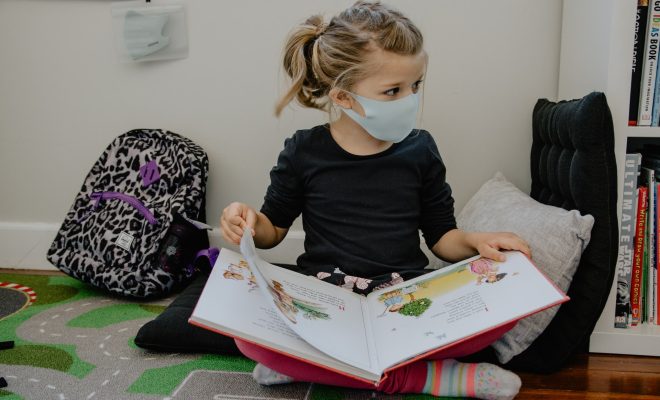
Flexible Seating: Offer a variety of seating options such as bean bags, floor cushions, and traditional desks to accommodate different learning styles and preferences. This encourages collaboration and student interaction.
Defined Learning Areas: Create specific areas within the classroom for different activities, such as a reading nook, a group work area, and a technology zone. Clearly defined spaces help students understand expectations and routines.
Vertical Storage Solutions: Utilize wall space for shelves and hooks to keep materials accessible and off the floor. This creates more space for movement and reduces clutter.
Material Management: Keeping Supplies Organized
An organized supply system is vital for maintaining an efficient classroom. Consider these ideas:
Labeling Systems: Use clear labels on bins and drawers to categorize supplies. This helps students find materials quickly and teaches them responsibility for returning items to their designated places.
Supply Stations: Create designated supply stations for art materials, writing tools, and other frequently used items. Ensure that these stations are easily accessible to minimize disruptions during lessons.
Digital Organization: Streamlining Digital Resources
In today’s tech-savvy classrooms, digital organization is just as important as physical organization. Implement these strategies:
Cloud Storage Solutions: Use cloud storage platforms to organize digital files, lesson plans, and student work. This allows for easy access from any device and reduces paper clutter.
Digital Calendar and Reminders: Utilize digital calendars to keep track of important dates, deadlines, and events. Set reminders for both teachers and students to stay organized and prepared.
Routine Management: Establishing Consistent Routines
Routines create a sense of stability and predictability for students. Here’s how to establish effective routines:
Daily Schedule: Display a daily schedule prominently in the classroom. This helps students understand what to expect throughout the day and fosters independence.
Transition Signals: Develop signals, such as clapping or a specific phrase, to indicate transitions between activities. This minimizes confusion and helps students shift their focus smoothly.
Classroom Jobs: Assigning Responsibilities
Giving students responsibilities fosters a sense of ownership and encourages teamwork. Consider these classroom job ideas:
Job Chart: Create a job chart that outlines various roles, such as line leader, supply manager, and clean-up crew. Rotate jobs regularly to give every student a chance to contribute.
Peer Mentorship: Pair older students with younger ones for mentorship roles. This not only aids younger students but also builds leadership skills in older students.
Visual Aids: Enhancing Understanding Through Visuals
Visual aids are powerful tools for reinforcing learning and keeping the classroom organized. Implement these ideas:
Bulletin Boards: Use bulletin boards to display student work, important announcements, and visual reminders of classroom rules. This keeps the environment dynamic and engaging.
Color-Coding Systems: Assign different colors to subjects or types of assignments. This helps students quickly identify materials and understand their tasks.
Feedback Systems: Encouraging Communication and Improvement
Feedback is crucial for student growth and classroom management. Here’s how to create an effective feedback system:
Feedback Boxes: Set up anonymous feedback boxes for students to share their thoughts about lessons and classroom activities. This encourages open communication and can provide valuable insights for improvement.
Goal Setting Boards: Create a space for students to set and track their academic goals. This empowers them to take ownership of their learning and encourages self-reflection.
Organizational Tools: Utilizing Technology for Efficiency
Technology can be a powerful ally in classroom organization. Consider these tools:
Classroom Management Apps: Use apps designed for classroom management to keep track of attendance, behavior, and assignments. These tools can save time and enhance communication with parents.
Online Collaboration Tools: Implement platforms like Google Classroom or Microsoft Teams for seamless collaboration on assignments and projects. This encourages student engagement and keeps materials organized.
Conclusion: Enhancing Classroom Dynamics Through Organization
Implementing effective classroom organization ideas can significantly improve both teaching and learning experiences. By fostering a structured, resource-rich environment, teachers can enhance student engagement and independence, ultimately leading to better educational outcomes. These organizational strategies not only streamline classroom management but also cultivate a positive atmosphere where students feel empowered to thrive.