The Secret Sanctuaries: 10 Luxury Travel Alternatives 2026 That Defy Tourist Taxes
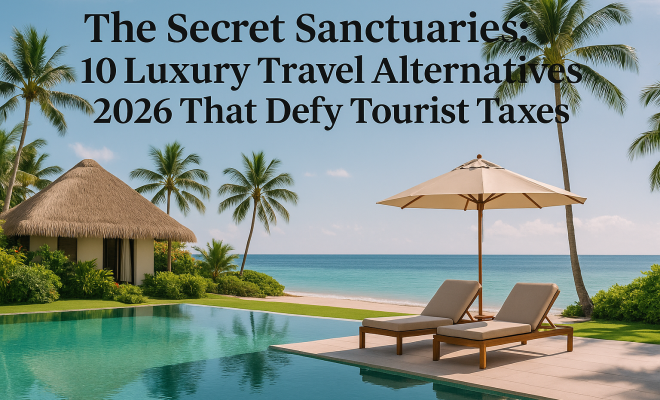
You know, it used to be that planning a luxury getaway was all about finding that perfect five-star resort, that exclusive experience, or that breathtaking view. Now, in 2026, there’s a new, rather infuriating wrinkle in the fabric of high-end travel: the dreaded tourist tax. It’s not just a minor annoyance anymore; we’re talking about significant surcharges that can add hundreds, even thousands, of dollars to your meticulously planned vacation. Destinations like Kyoto, Japan, for example, just slapped a jaw-dropping 900% increase on its luxury accommodation tax. Can you believe that? High-end stays there are now looking at an extra $66 *per night*. Venice, Barcelona, Edinburgh—they’re all following suit, hiking up their visitor levies, sometimes doubling them. It makes you wonder, doesn’t it? Are these places really trying to combat overtourism, or are they just seeing dollar signs?
As an educator and someone deeply invested in the economics of access and opportunity, I find this trend particularly unsettling. It’s creating a barrier, even for those who can afford luxury. It forces us to rethink how we travel, pushing us to seek out those hidden gems, those truly authentic experiences that haven’t yet been commodified to the point of absurdity. So, if you’re like me, tired of feeling like a walking ATM for local governments, and you’re searching for genuine luxury travel alternatives 2026 that won’t punish your wallet with exorbitant taxes, you’ve come to the right place. Let’s explore some incredible destinations where opulence still reigns, and your budget can breathe a little easier.
1. Slovenia’s Alpine Wonderland: A Breath of Fresh Air, Not Hidden Fees
When you picture luxury in Europe, your mind probably jumps to the French Riviera or the Italian Dolomites. But let me tell you, Slovenia is quietly carving out its own niche as a stunning, tax-friendly luxury destination, especially for 2026. Imagine waking up in a boutique hotel nestled beside Lake Bled, its emerald waters reflecting the Julian Alps, with a medieval castle perched dramatically on a cliff. You can indulge in Michelin-starred dining, explore ancient caves, or simply unwind in a serene spa, all without the sticker shock of a hefty tourist tax.
Slovenia offers an incredible blend of natural beauty, sophisticated culture, and genuine hospitality. Its commitment to sustainable tourism means you’re experiencing a pristine environment, not one ravaged by mass tourism. Think private guided hikes through Triglav National Park, wine tastings in the Vipava Valley, or even a private chef preparing traditional Slovenian dishes in your luxurious villa. It’s a place where luxury feels authentic, unforced, and certainly not penalized by arbitrary surcharges. For those seeking luxury travel alternatives 2026, Slovenia should be at the top of your list.
2. Oman’s Desert Opulence: Timeless Elegance Without the Tax Burden
For a taste of Middle Eastern grandeur without the glitz and congestion of Dubai, look no further than Oman. This sultanate offers an intoxicating blend of ancient traditions and modern comforts, all set against a backdrop of breathtaking deserts, rugged mountains, and pristine coastlines. Luxury here is about understated elegance, rich history, and unparalleled service. Picture yourself in a lavish resort overlooking the Gulf of Oman, or perhaps a glamping experience in the Wahiba Sands, complete with five-star amenities under a canopy of stars.
Oman is incredibly welcoming and proud of its heritage. You can explore vibrant souqs, visit majestic forts, or embark on a private dhow cruise along the fjords of Musandam. The focus is on authentic experiences and high-quality service, not on nickel-and-diming visitors with unexpected fees. It’s a destination that understands true luxury comes from immersion and respect, not from an inflated price tag. If you’re eyeing luxury travel alternatives 2026 that offer something truly unique and culturally rich, Oman is an absolute gem.
3. Montenegro’s Adriatic Charms: The Unspoiled Riviera
Often overlooked in favor of its more famous neighbor, Croatia, Montenegro is emerging as a seriously compelling luxury travel alternative for 2026. This small Balkan nation boasts a spectacular coastline, historic walled towns, and dramatic mountains, all without the exorbitant tourist taxes that are increasingly plaguing other Mediterranean hotspots. Imagine sailing into the Bay of Kotor, a UNESCO World Heritage site often described as Europe’s southernmost fjord, and docking your private yacht directly outside a charming, upscale boutique hotel.
Luxury in Montenegro is about access to unspoiled beauty and exclusive experiences. You can explore ancient monasteries, go whitewater rafting in Tara Canyon, or simply relax on a secluded beach. The country is investing heavily in high-end tourism, with stunning new resorts and marinas popping up, but it’s doing so with a keen eye on sustainability and value. You’ll find exceptional dining, personalized service, and a sense of discovery that’s increasingly rare in the more trodden paths of Europe. It’s an ideal choice for those seeking luxury travel alternatives 2026 with a distinct European flavor. (See: impact of tourist taxes on travel.)
4. Georgia’s Caucasian Grandeur: A Blend of History and Hospitality
When I talk about Georgia, I’m referring to the country nestled in the Caucasus region, not the U.S. state! This fascinating nation is a true hidden gem, offering a rich tapestry of ancient history, breathtaking mountain landscapes, and a vibrant wine culture that predates almost anywhere else. For luxury travelers in 2026 looking for something truly off the beaten path but still incredibly refined, Georgia is an exceptional choice. You can stay in meticulously restored historical hotels in Tbilisi, or enjoy opulent mountain retreats with panoramic views of the Greater Caucasus. For more context, see financial strategies for managing travel costs.
Georgian hospitality is legendary, and their approach to tourism is still focused on providing genuine experiences rather than imposing punitive taxes. Imagine private wine tours through the Kakheti region, where you can sample unique amber wines made in traditional qvevri clay pots, or guided explorations of ancient cave cities like Uplistsikhe. The food scene in Tbilisi is surprisingly sophisticated, with innovative chefs blending traditional flavors with modern techniques. It’s a destination that promises adventure, cultural immersion, and luxury without the feeling of being exploited. Definitely one of the top luxury travel alternatives 2026 for the discerning traveler.
5. Colombia’s Caribbean Coast: Rhythms of Luxury, Sans the Surcharges
Colombia has undergone a remarkable transformation, emerging as a vibrant and welcoming destination for luxury travelers. Its Caribbean coast, particularly the colonial gem of Cartagena, offers an intoxicating blend of history, culture, and high-end experiences. Imagine staying in a beautifully restored boutique hotel within the walled city, its courtyards brimming with bougainvillea, and then stepping out into streets alive with music and color. The best part? You won’t be grappling with the kind of tourist taxes that are hitting other popular Caribbean or Latin American destinations.
Beyond Cartagena, you can explore the pristine Rosario Islands on a private yacht, enjoy world-class diving, or venture into the lush coffee regions for an intimate plantation tour. Colombia’s luxury offerings are deeply rooted in its rich culture and natural beauty, providing an authentic and immersive experience. The culinary scene is exploding, offering everything from exquisite seafood to innovative takes on traditional dishes. For those seeking dynamic luxury travel alternatives 2026 with a Latin American flair, Colombia’s Caribbean coast is calling.
6. Uzbekistan’s Silk Road Splendor: An Ancient Path to Modern Luxury
Thinking about truly unique luxury travel alternatives for 2026? Uzbekistan might just surprise you. This Central Asian nation, a pivotal crossroads of the ancient Silk Road, offers an unparalleled journey through history, architecture, and culture. Imagine staying in beautifully restored caravanserais or boutique hotels in cities like Samarkand, Bukhara, and Khiva, marveling at the intricate tilework of madrasahs and mosques that seem to glow with an otherworldly blue.
Uzbekistan is still relatively undiscovered by mass tourism, meaning you can experience its wonders without the crowds and, crucially, without the burdensome tourist taxes now common in more established destinations. Luxury here might involve private guided tours of UNESCO World Heritage sites, experiencing a traditional Plov cooking class, or even a bespoke journey by high-speed train, offering unparalleled views of the landscape. The hospitality is genuine, the history profound, and the opportunity for truly unique, opulent experiences is immense. It’s an adventure into the heart of Central Asia, delivered with an unexpected level of comfort and sophistication.
7. Albania’s Untamed Riviera: Europe’s Next Big Thing (Without the Fees)
When you hear ‘European Riviera,’ you probably think of France or Italy, with their sky-high prices and even higher tourist taxes. But let me introduce you to Albania, a country that’s been steadily climbing the ranks as one of Europe’s most exciting and affordable luxury travel alternatives 2026. Its coastline, often dubbed the ‘Albanian Riviera,’ boasts stunning turquoise waters, pristine beaches, and dramatic cliffside villages that evoke a sense of untouched beauty.
Luxury in Albania is still developing, but it’s doing so with an eye on quality and exclusivity. You can find beautiful boutique hotels, private villa rentals with breathtaking sea views, and excellent seafood restaurants. Imagine a private boat tour exploring hidden coves, or a guided historical excursion to ancient Roman ruins like Butrint. The absence of significant tourist taxes means your luxury budget stretches considerably further here, allowing for more lavish experiences or simply a longer, more relaxed stay. It’s a fantastic option for those who crave European charm and natural beauty without the financial sting of its more famous counterparts. (See: tourist taxes and their implications.)
8. Laos’ Serene Splendor: Spiritual Luxury in Southeast Asia
While its Southeast Asian neighbors often grapple with overtourism and the taxes that come with it, Laos remains a sanctuary of peace and understated luxury. If you’re looking for luxury travel alternatives 2026 that offer a profound sense of tranquility and cultural immersion, Laos is an exquisite choice. The UNESCO World Heritage city of Luang Prabang, with its saffron-robed monks, French colonial architecture, and serene Mekong River views, epitomizes the country’s gentle charm.
Luxury accommodations here often blend traditional Laotian design with modern comforts, offering private villas, infinity pools overlooking rice paddies, and exceptional spa services. Imagine waking before dawn to offer alms to monks, taking a private longtail boat cruise on the Mekong, or enjoying a bespoke cooking class learning the nuances of Laotian cuisine. The pace of life is slower, the people are incredibly warm, and the focus is on genuine connection and relaxation, not on extracting extra fees from visitors. It’s a destination that nourishes the soul as much as it pampers the body. For more context, see securing high-paying jobs in finance to afford luxury travel.
9. Chile’s Diverse Landscapes: From Desert to Patagonia, Tax-Free Exploration
Chile offers an astonishing array of landscapes, from the arid Atacama Desert in the north to the glacial fjords of Patagonia in the south, making it a dream destination for adventurous luxury travelers. And thankfully, it hasn’t fallen into the trap of implementing significant tourist taxes, making it a prime candidate for luxury travel alternatives 2026. Imagine staying in an eco-luxury lodge in the Atacama, stargazing from a private hot tub, or embarking on a guided trek through Torres del Paine National Park, returning each evening to a five-star wilderness retreat.
The luxury experiences in Chile are as diverse as its geography. You can enjoy world-class wine tours in the Central Valley, explore vibrant Santiago’s culinary scene, or even take a private helicopter tour over the Andes. The emphasis is on connecting with nature and culture in a sophisticated and comfortable way. Chile offers vast, unspoiled wilderness and exceptional hospitality, all without the feeling that you’re constantly being charged extra for the privilege of being there. It’s a destination that truly delivers on the promise of grand adventure and refined relaxation.
10. Morocco’s Imperial Cities and Desert Retreats: Enchantment Without Exorbitant Fees
Morocco has long captivated travelers with its vibrant culture, stunning architecture, and exotic allure. While popular, it largely remains a fantastic option for luxury travel alternatives 2026, especially when compared to European counterparts now piling on the taxes. Think about the opulent riads hidden within the medinas of Marrakech or Fes, offering private courtyards, hammams, and personalized service that feels like stepping into a private oasis.
Luxury here extends beyond the cities to bespoke desert safaris, where you can spend nights in lavish Bedouin-style camps under a blanket of stars, complete with gourmet meals and traditional music. You can hire a private guide to navigate the bustling souqs, take a hot air balloon ride over the Atlas Mountains, or even learn the art of Moroccan cooking from a local chef. The blend of ancient tradition and modern comfort, combined with a relatively favorable tax environment for tourists, makes Morocco an incredibly compelling choice for a truly luxurious and culturally rich experience that won’t leave you feeling financially drained. It’s an immersive journey into a world of sensory delights, where the value of your experience far outweighs any minor fees.
The Rising Tide of Tourist Taxes: Why Now?
It’s worth pausing for a moment to consider *why* we’re seeing this surge in tourist taxes. It’s not just about governments being greedy, although that certainly plays a role. Many popular destinations are genuinely grappling with the concept of overtourism. Think about Venice, which has seen its delicate infrastructure strained by millions of visitors annually. Barcelona’s residents have voiced concerns about their city feeling less like home and more like a theme park. These taxes, in theory, are meant to serve several purposes:
- Infrastructure Maintenance: The wear and tear on roads, public transport, and historical sites from constant tourist traffic is immense. Taxes help fund repairs and upgrades.
- Environmental Protection: Many destinations are natural wonders, and the influx of people can degrade ecosystems. Funds can be allocated to conservation efforts.
- Community Impact: Local communities often bear the brunt of overtourism—increased noise, rising rents pushing out residents, and a shift from local businesses to tourist-centric ones. Taxes can sometimes fund initiatives to mitigate these impacts or support local services.
- Regulation of Tourist Flow: In some cases, the tax isn’t just about revenue; it’s a deterrent, a way to make certain destinations less appealing for short, budget-focused trips, thereby hoping to attract visitors who stay longer and spend more responsibly.
However, as I mentioned, the rapid, sometimes astronomical, increases make you question the true intent. When a tax jumps 900%, it feels less like a thoughtful policy adjustment and more like a desperate grab for cash. This is precisely why seeking out luxury travel alternatives 2026 becomes not just a smart financial move, but also a way to support destinations that value sustainable, respectful tourism without punishing the traveler. For more context, see impact of rising costs on job security and travel budgets. (See: health and economic impacts of tourism.)
Beyond the Hotel: Hidden Costs and How to Spot Them
Tourist taxes aren’t always just tacked onto your hotel bill. They can appear in various forms, and being aware of them is key to truly finding value in luxury travel alternatives 2026:
- Accommodation Taxes: This is the most common, charged per person per night at hotels, guesthouses, and even short-term rentals.
- Entry Fees: Some cities or natural parks might charge a direct entry fee for visitors.
- Departure Taxes: Certain countries levy a tax when you leave, often included in your airfare but sometimes paid separately at the airport.
- Local Service Charges: Beyond government taxes, some establishments might have “service charges” that are effectively mandatory tips or local levies.
- Environmental Fees: Especially in island nations or ecologically sensitive areas, you might encounter fees specifically designated for environmental conservation.
Always read the fine print when booking. Use reputable travel agents or platforms that clearly itemize all charges. And when in doubt, a quick search for “tourist taxes in [destination]” will usually give you the latest information. For the destinations I’ve highlighted, the good news is these additional layers of taxation are significantly less prevalent, allowing your luxury budget to go directly towards your experience.
The Ethical Traveler: Supporting Sustainable Luxury
Choosing luxury travel alternatives 2026 that aren’t imposing heavy tourist taxes isn’t just about saving money; it’s also about being a more ethical traveler. When destinations are less reliant on taxing visitors into oblivion, it often signals a more balanced approach to tourism. These places tend to prioritize:
- Local Community Integration: Rather than just seeing tourists as revenue streams, they often encourage interactions that benefit local artisans, guides, and businesses directly.
- Environmental Preservation: Many of these emerging luxury destinations, like Slovenia or Chile, have built their tourism around their natural beauty and are therefore inherently invested in protecting it.
- Authentic Experiences: Without the pressure of mass tourism, there’s more space for genuine cultural exchange and unique, tailor-made experiences.
As educators, we talk a lot about the ripple effects of our choices. Your choice of a luxury destination can have a positive impact, supporting places that are developing their tourism sectors responsibly and sustainably, rather than contributing to the overtourism issues in already saturated areas.
Final Thoughts: Redefining Luxury for 2026
As we look ahead to 2026, it’s clear that the landscape of luxury travel is shifting. The days of blindly booking a trip to the usual suspects without considering the hidden costs are rapidly fading. My goal, both as an educator and a travel enthusiast, is to empower you with the knowledge to make informed decisions, to seek out value, and to discover experiences that truly enrich your life, rather than just emptying your wallet. These luxury travel alternatives 2026 offer a glimpse into a world where opulence and authenticity can still coexist, free from the burden of excessive tourist taxes. So, pack your bags, but this time, pack them with the confidence that you’re choosing wisely.
Trending Now
Frequently Asked Questions
What are the best luxury travel alternatives in 2026?
In 2026, consider destinations like Slovenia's Alpine Wonderland, which offers stunning scenery and luxury without the heavy tourist taxes found in places like Kyoto or Venice. These hidden gems provide authentic experiences while allowing you to enjoy opulence without the exorbitant fees.
How are tourist taxes affecting luxury travel?
Tourist taxes have significantly increased in popular destinations, with some locations raising accommodation fees by up to 900%. This shift forces travelers to seek alternatives that provide luxury without the added financial burden, prompting a search for less commercialized experiences.
What is the impact of tourist taxes on travelers?
Tourist taxes create a financial barrier for travelers, even those who can afford luxury. As these fees rise, many are pushed to explore less conventional destinations that offer similar levels of comfort and experience without the steep surcharges.
Are there hidden gems for luxury travel?
Yes, there are numerous hidden gems for luxury travel that remain tax-friendly. Slovenia, for instance, offers breathtaking landscapes and boutique accommodations, making it an ideal choice for travelers seeking opulence without the heavy tourist tax burdens of more popular destinations.
What should I consider when planning a luxury getaway in 2026?
When planning a luxury getaway in 2026, consider destinations that have not yet implemented steep tourist taxes. Look for places like Slovenia, which provide authentic luxury experiences while allowing you to avoid the financial strain imposed by traditional tourist hotspots.
Have you experienced this yourself? We'd love to hear your story in the comments.