8 Disturbing Truths About Why Our Kids Aren’t Safe in Schools Anymore
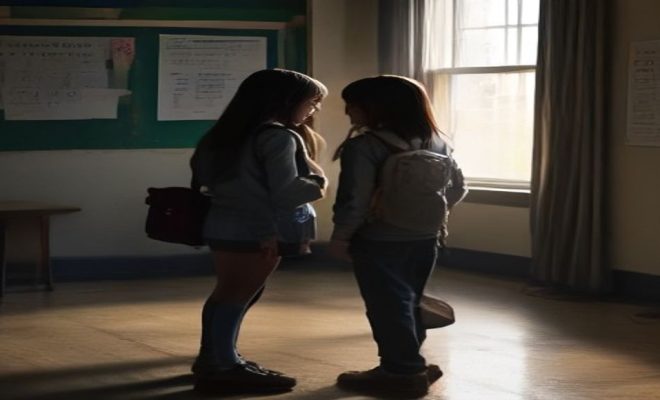
There’s a conversation brewing online, and it’s not one any parent wants to have. A recent Facebook post from August 24, 2026, sparked a firestorm, shining a harsh light on what many of us have quietly feared: our schools are facing an unprecedented safety crisis. The post, which quickly went viral, didn’t just rattle off statistics; it tapped into a raw, collective anxiety about the ‘untoward incidents’ now commonplace in educational settings. We’re talking about a landscape where violence, mental health struggles, and the insidious reach of social media are converging, making the concept of truly safe schools feel increasingly out of reach. This isn’t just about teachers struggling to maintain order; it’s about a systemic breakdown that demands our immediate attention, a collective responsibility that extends far beyond the classroom walls.
As parents, we send our children off each morning with a silent prayer for their well-being. But what happens when the very institutions designed to nurture and protect them become arenas for conflict and distress? The viral discussion underscores a critical shift: the challenges our schools face today are complex, deeply intertwined, and often beyond the immediate control of even the most dedicated educators. It’s an emotionally charged topic, touching the very core of our children’s safety and future, and it’s forcing a long-overdue reckoning with what it truly means to create safe schools in the 21st century. Let’s dig into the eight disturbing truths that are fueling this crisis.
1. The Escalation of Untoward Incidents: Beyond Playground Scuffles
It’s easy to dismiss childhood conflicts as ‘kids being kids,’ but the reality on the ground in our schools tells a different story. The term ‘untoward incidents’ used in the viral Facebook post is a polite way of describing everything from disruptive behavior to outright physical violence, and the consensus is that these incidents are on a sharp upward trajectory. Educators are reporting a noticeable increase in the frequency and severity of these events, often leaving them feeling overwhelmed and ill-equipped. We’re not just talking about minor disagreements anymore; we’re seeing altercations that require intervention from multiple staff members, sometimes even law enforcement.
This isn’t just anecdotal evidence from a few stressed-out teachers. School districts across the country are grappling with data reflecting this concerning trend. What was once an occasional issue now seems to be a daily challenge, impacting classroom environments and the overall sense of security for students and staff alike. When a school administrator has to spend a significant portion of their day addressing behavioral issues rather than focusing on academic programs, you know there’s a serious problem. The fabric of the learning environment is fraying, making the foundational goal of safe schools increasingly difficult to achieve. This builds on a new perspective on safety.
2. Student Mental Health in Crisis: The Silent Battle
Beneath the surface of escalating behavioral issues lies a far more profound and often hidden problem: a widespread crisis in student mental health. The pandemic, with its forced isolation, disruption of routines, and heightened anxieties, exacerbated an already fragile situation. Children and teenagers are struggling with unprecedented levels of stress, anxiety, depression, and even trauma. These internal battles often manifest externally as disruptive behavior, aggression, withdrawal, or difficulty regulating emotions, directly contributing to the ‘untoward incidents’ we’re seeing.
Schools, traditionally focused on academic achievement, are now finding themselves on the front lines of a mental health epidemic, often without adequate resources or trained personnel. Counselors are stretched thin, waiting lists for external services are long, and the stigma surrounding mental illness still prevents many students from seeking help. How can we expect children to thrive academically and socially if their fundamental emotional needs are unmet? Creating truly safe schools today means prioritizing mental wellness as much as, if not more than, physical security. We need to move beyond simply reacting to crises and proactively build supportive environments where students feel seen, heard, and emotionally secure.
3. Social Media’s Toxic Influence: Bullying Beyond the Bell
If you think bullying stops when the school bell rings, you’re living in a bygone era. Social media has become an inescapable and often toxic extension of the schoolyard, allowing bullying and cyberbullying to infiltrate every aspect of a child’s life, 24/7. The viral Facebook post specifically called out this insidious role, and for good reason. Platforms like TikTok, Instagram, and Snapchat, while offering connection, also provide fertile ground for harassment, rumor-spreading, and public shaming, often with devastating consequences.
What starts as a seemingly harmless post can quickly spiral into a torrent of abuse, impacting a student’s self-esteem, academic performance, and mental health. Unlike traditional bullying, cyberbullying leaves no escape; victims can be targeted even within the supposed safety of their own homes. This constant digital onslaught creates immense stress and anxiety, contributing to the very behavioral issues schools are struggling with. Moreover, social media can fan the flames of real-world conflicts, turning minor disagreements into highly publicized, emotionally charged confrontations that spill over into the school environment. Tackling this digital menace is a crucial, yet incredibly challenging, component of ensuring safe schools today.
4. The Urgent Need for Emergency Preparedness: Beyond Fire Drills
The days of emergency preparedness simply meaning annual fire drills are long gone. Today’s reality demands comprehensive, multi-faceted emergency plans that account for a wide array of threats, from active shooter situations to natural disasters and even mental health crises. The viral discussion highlights this urgent need, pushing for activated safety protocols that are not just theoretical but practiced, refined, and understood by everyone in the school community. (See: CDC on school safety initiatives.)
This means more than just having a plan; it means regular drills for various scenarios, clear communication pathways, designated safe zones, and updated security infrastructure. It also requires training staff, students, and even parents on how to respond effectively under pressure. A truly robust emergency preparedness strategy isn’t about instilling fear; it’s about building resilience and ensuring that in a moment of crisis, every individual knows their role and has the tools to protect themselves and others. The goal is to move from reactive panic to proactive, coordinated response, making our schools safer and more secure.
5. Administrative Response and Activated Safety Protocols: More Than Policy on Paper
It’s one thing to have policies and protocols written down, but it’s an entirely different beast to see them consistently and effectively implemented. The call for immediate administrative response and activated safety protocols in the viral post isn’t just about having rules; it’s about ensuring those rules translate into tangible action when needed most. This means school administrators must be empowered and equipped to act swiftly and decisively in safety-related incidents, with clear chains of command and sufficient resources. There’s a fuller look at protocols for safer schools.
Activated safety protocols go beyond just lockdown drills. They encompass a holistic approach to security, including visible security measures like surveillance cameras and secure entry systems, but also less visible yet equally critical elements. Think about threat assessment teams that can identify and intervene with at-risk students before a crisis escalates, or robust reporting systems that allow students and staff to report concerns anonymously. These protocols need regular review, adaptation based on new information, and consistent enforcement to be effective. Without strong administrative leadership dedicated to operationalizing these safeguards, even the best-laid plans for safe schools will remain just ink on paper.
6. Crucial Parental Involvement and Accountability: A Shared Burden
Here’s where the discussion often gets controversial, but it’s absolutely critical: parental involvement and accountability. The viral Facebook post explicitly frames school safety as a collective responsibility, pushing back against the notion that educators alone bear the burden. While schools play a vital role, they are not—and cannot be—the sole arbiters of a child’s behavior, mental health, or online conduct. Parents are their children’s first and most influential teachers, and their active engagement is non-negotiable for truly safe schools.
This isn’t about blaming parents; it’s about recognizing the shared ecosystem of a child’s life. Parental involvement means more than just attending parent-teacher conferences. It includes monitoring a child’s social media use, fostering open communication about struggles and fears, teaching empathy and conflict resolution skills, and reinforcing school rules and expectations at home. Accountability, on the other hand, means parents taking responsibility for their child’s actions, working collaboratively with school staff to address behavioral issues, and seeking support for mental health challenges. When parents and schools work in true partnership, the environment for children becomes exponentially safer and more supportive.
7. The Controversial Debate: School Responsibility vs. Parental Rights: Finding the Balance
This is the hot-button issue that often derails productive conversations about safe schools. The viral post, with its emphasis on collective responsibility, touches directly on the tension between school responsibility and parental rights. On one side, schools are increasingly expected to manage complex behavioral issues, address mental health crises, and even police online interactions that originate outside school hours. On the other, many parents fiercely advocate for their rights to guide their children’s upbringing, make decisions about their health, and protect them from what they perceive as overreach by the school system.
Finding a healthy balance is incredibly challenging. Where does a school’s responsibility to maintain order and ensure the safety of all students end, and a parent’s right to privacy and decision-making begin? This debate often manifests in disagreements over disciplinary actions, mental health interventions, or even the implementation of certain safety protocols. For instance, parents might object to strict cell phone policies or mandatory mental health screenings, viewing them as infringements on personal liberty. Bridging this divide requires open dialogue, mutual respect, and a shared understanding that ultimately, everyone wants what’s best for the children. Without finding common ground, the efforts to create safe schools will continue to be hampered by ideological battles.
8. A Collective Responsibility: Beyond the Blame Game: Building a Unified Front
Perhaps the most critical takeaway from the viral discussion is the resounding call for a shift from a blame game to a collective responsibility. It’s easy to point fingers—at teachers, administrators, parents, or even society at large—but this fractured approach only weakens our ability to address the root causes of the safety crisis. Creating truly safe schools isn’t a task for any single entity; it requires a unified front involving every stakeholder: students, parents, educators, administrators, community leaders, and policymakers.
This means fostering genuine collaboration. It means investing in comprehensive mental health services within schools and linking them to community resources. It means educating students about responsible digital citizenship and equipping parents with the tools to navigate the online world with their children. It means advocating for policies that support both robust security measures and restorative justice practices. When we recognize that the safety and well-being of our children are a shared investment, we move beyond the limitations of individual silos and begin to build resilient, supportive, and genuinely safe learning environments for everyone. The time for pointing fingers is over; the time for collective action is now.
9. The Impact of Staff Shortages and Burnout: A System Under Strain
You can have the best safety protocols and mental health programs on paper, but if you don’t have enough people to implement them, they’re essentially useless. That’s the harsh reality many schools are facing today: a widespread shortage of qualified staff, from teachers and substitute teachers to counselors, social workers, and support personnel. This isn’t just about crowded classrooms; it directly impacts a school’s ability to maintain safe environments. Fewer eyes on students mean a higher likelihood of incidents going unnoticed or escalating. Fewer counselors mean students in crisis wait longer for help. Fewer support staff mean teachers are stretched thinner, often taking on roles they aren’t trained for, leading to burnout. (See: AP News on school violence trends.)
When staff are constantly overwhelmed and under-resourced, their capacity to proactively address behavioral issues or provide individualized attention diminishes significantly. They become reactive, moving from one crisis to the next, which is hardly conducive to creating a calm, secure learning atmosphere. This burnout also leads to high turnover, further exacerbating the staffing crisis. Addressing this means not just recruiting more people, but also creating supportive work environments that retain experienced educators and mental health professionals. We need to invest in competitive salaries, manageable workloads, and professional development that equips staff with the skills to handle today’s complex challenges. Without a stable, well-supported workforce, the goal of safe schools remains elusive.
10. The Role of Physical Security Infrastructure: Beyond Locked Doors
While often a point of contention, the physical security of school buildings plays an undeniable role in creating safe schools. It’s not just about locking doors anymore; it’s about designing and maintaining an environment that deters threats and provides layers of protection. This includes controlled access points, where visitors are vetted before entering. It might involve security cameras that monitor common areas, not as a means of constant surveillance, but as a deterrent and a tool for investigation if incidents occur. Modern security also considers the layout of a school, things like clear sightlines, minimal hiding spots, and reinforced classroom doors that can withstand forced entry. We covered how to address mental health in more detail.
It’s a delicate balance, though. We want schools to feel welcoming and open, not like fortresses. The goal is to integrate security measures in a way that feels natural and unobtrusive, enhancing safety without creating a prison-like atmosphere. This could mean things like clear signage, designated safe zones, and even landscaping choices that limit potential hiding spots. Regularly auditing and upgrading existing infrastructure is crucial, too. A school built 50 years ago likely wasn’t designed with today’s threats in mind. Investing in modern, smart security solutions, while ensuring they don’t compromise the learning environment, is a practical step towards making schools physically safer.
11. Restorative Justice vs. Punitive Discipline: A Shifting Paradigm
How schools handle disciplinary issues significantly shapes their overall safety culture. For a long time, the dominant approach was punitive discipline – punishment for infractions, often leading to suspensions or expulsions. While sometimes necessary, this approach can often alienate students, especially those already struggling, and doesn’t always address the root causes of misbehavior. It can create a cycle where students feel disconnected, leading to further acting out.
Increasingly, schools are exploring restorative justice practices as an alternative or complementary approach. This paradigm shift focuses on repairing harm, fostering understanding, and reintegrating students into the school community. Instead of just asking “What rule was broken?” it asks “Who was harmed? What do they need? Whose responsibility is it to make things right?” This involves facilitated conversations between those involved in a conflict, helping students understand the impact of their actions, and working together to find solutions. While not a panacea, restorative justice can build empathy, improve relationships, and create a more inclusive school climate where students feel heard and respected, ultimately reducing the likelihood of future conflicts and contributing to a safer, more supportive environment.
12. The Community’s Role Beyond School Hours: Extended Support Systems
School safety isn’t confined to the hours between the first and last bell. What happens in the community before and after school profoundly impacts the well-being of students and, by extension, the school environment. A truly safe school thrives within a supportive community ecosystem. This means collaboration with local law enforcement, not just for crisis response, but for proactive engagement like school resource officers (SROs) who build relationships with students and staff. It also means partnering with local youth organizations, after-school programs, mental health clinics, and social services. These community entities can provide critical support that schools alone can’t offer.
For instance, accessible and affordable after-school programs can keep students engaged and supervised, reducing opportunities for risky behavior. Community mental health services can offer specialized care that school counselors might not be equipped to provide. Local government can invest in safe routes to school, ensuring children feel secure on their journey. When schools are deeply integrated into their communities and supported by a network of resources, they become more resilient and better equipped to handle challenges. This extends the circle of care and responsibility, creating a broader safety net for all children.
The viral conversation about the state of our safe schools is a wake-up call we can no longer afford to ignore. It’s a complex, multi-layered problem, but by acknowledging these twelve disturbing truths and committing to a collaborative approach, we can begin to rebuild trust, strengthen our communities, and ensure that our children have the secure, nurturing environments they deserve to learn and grow. (See: NY Times coverage of school safety.)
Frequently Asked Questions About Safe Schools
Q1: What exactly constitutes a “safe school” in today’s environment?
A safe school today goes far beyond just physical security. It’s a holistic environment where students feel physically secure, emotionally supported, and intellectually challenged. This means having robust physical safety measures (like controlled access and emergency plans), comprehensive mental health support, a culture that actively prevents bullying and harassment (both online and offline), and strong partnerships between students, staff, parents, and the wider community. It’s about creating a space where every child can learn and thrive without fear.
Q2: How can parents actively contribute to making their child’s school safer?
Parents are key partners! You can contribute by fostering open communication with your child about their experiences, monitoring their online activities, teaching empathy and conflict resolution, and reinforcing school rules at home. Get involved with the PTA/PTO, volunteer, and attend school meetings to stay informed. Most importantly, communicate concerns respectfully with school staff and work collaboratively with them to address issues, rather than just criticizing. Your engagement sends a powerful message to your child and the school community.
Q3: What role does technology play in enhancing school safety, and what are its drawbacks?
Technology offers many tools for enhancing safety, such as surveillance cameras, secure entry systems, anonymous reporting apps, and communication platforms for emergencies. It can help monitor school grounds, quickly alert authorities, and provide students a voice to report concerns. However, there are drawbacks. Over-reliance on technology can create a “fortress” mentality, making schools feel unwelcoming. Privacy concerns around surveillance are valid. Also, technology is only as effective as the people managing it and the protocols in place; it’s a tool, not a complete solution. It can also be a source of problems, like cyberbullying, if not managed correctly. Related reading: discussions on campus safety.
Q4: How do staff shortages impact a school’s ability to maintain safety?
Staff shortages have a significant, often overlooked, impact. Fewer teachers mean larger class sizes, making it harder for educators to monitor student behavior and provide individualized attention. A lack of counselors or social workers means students struggling with mental health issues might not receive timely support, potentially leading to behavioral escalation. Overstretched administrative staff have less time for proactive safety planning and more time reacting to daily incidents. Essentially, fewer hands on deck means less capacity for prevention, intervention, and creating a consistently supportive environment, all of which are crucial for safe schools.
Q5: What’s the difference between punitive discipline and restorative justice, and which is better for school safety?
Punitive discipline focuses on punishment for rule-breaking (e.g., suspension, detention). Its goal is to deter future misbehavior through consequences. Restorative justice, on the other hand, focuses on repairing harm caused by misbehavior, understanding its root causes, and reintegrating the student into the community. It involves dialogue, empathy, and collective problem-solving. Neither is universally “better” – often, a balanced approach works best. Punitive measures might be necessary for serious offenses, but restorative practices can build a stronger, more empathetic school culture that reduces conflicts long-term and helps students learn from their mistakes without being permanently alienated.
Q6: How can schools address the mental health crisis among students with limited resources?
Addressing the mental health crisis with limited resources is a huge challenge. Schools can start by training all staff (not just counselors) in basic mental health first aid to recognize signs of distress. Implementing universal screening programs can help identify at-risk students early. Building strong partnerships with community mental health organizations is vital for referrals and specialized care. Creating a supportive school climate that destigmatizes mental health discussions also encourages students to seek help. Focusing on preventative measures like social-emotional learning curricula can also build resilience and coping skills in all students, reducing the overall demand for crisis intervention.
Trending Now
- This One Heartbreaking Reality Is Forcing Millions to Rethink Their Future
- read the full story
- Why Millions Are Rushing to Refinance Student Loans Right Now — And You Should Too
- this guide on the eu ai act’s quiet revolution: 7 must-know strategies for ai ethics jobs in edtech
- the complete explanation
Frequently Asked Questions
What are the main safety concerns in schools today?
The main safety concerns in schools today include an increase in violence, mental health struggles among students, and the negative impact of social media. These factors contribute to a sense of insecurity, making it challenging for educators to maintain a safe environment for learning.
How can parents ensure their children are safe in school?
Parents can ensure their children are safe in school by staying informed about the school's safety policies, engaging in open conversations with their children about their experiences, and advocating for mental health resources and support systems within the school community.
What does the term 'untoward incidents' mean in schools?
The term 'untoward incidents' refers to a range of disruptive behaviors in schools, from minor conflicts to serious acts of violence. This terminology highlights the increasing frequency of these incidents, which have raised concerns among parents and educators alike.
Why is there a crisis of safety in schools?
The crisis of safety in schools is driven by a combination of escalating violence, mental health issues, and the pervasive influence of social media. These interconnected challenges create a complex environment that threatens the well-being of students and the effectiveness of educators.
What can schools do to improve safety for students?
Schools can improve safety by implementing comprehensive mental health programs, fostering a positive school culture, enhancing security measures, and involving parents and the community in discussions about safety policies and practices.
What did we miss? Let us know in the comments and join the conversation.