The Billionaire Boom: How Balearic Islands Luxury Property Is Reshaping an Archipelago
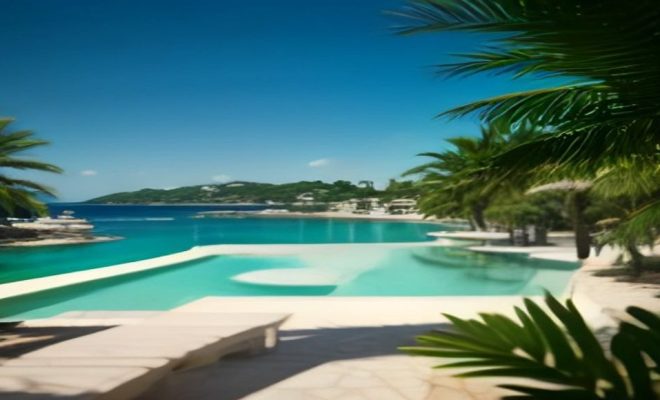
When you picture the Balearic Islands – Mallorca, Ibiza, Menorca, Formentera – you likely imagine sun-drenched beaches, turquoise waters, and a laid-back Mediterranean lifestyle. And you wouldn’t be wrong. But beneath that idyllic surface, a powerful economic force is at play, transforming these beloved islands into something far more exclusive: a global hotspot for ultra-luxury real estate. This isn’t just about a few wealthy individuals buying holiday homes; it’s a full-blown phenomenon, with nearly a third of all properties in Spain valued over three million euros now nestled within this relatively small archipelago. That’s a truly astonishing statistic, isn’t it?
The rise of Balearic Islands luxury property isn’t merely a trend; it’s a structural shift. We’re witnessing a dramatic concentration of high-net-worth individuals pouring capital into these islands, drawn by their undeniable charm, robust infrastructure, and the allure of a truly exceptional lifestyle. But every boom has its shadows, and this one is no different. While the influx of wealth boosts the islands’ international appeal and injects significant capital into the local economy, it also raises profound questions about affordability, sustainability, and the very identity of these unique communities. It’s a classic paradox: prosperity for some, increasing challenges for others, leading to a passionate, often heated, debate that’s quickly becoming a trending topic across Spain and beyond. We covered sales performance solutions in more detail.
The Unprecedented Surge in Ultra-Luxury Real Estate
Let’s talk numbers, because they paint a stark picture. The fact that almost 33% of Spain’s properties exceeding the three-million-euro mark are concentrated in the Balearics is nothing short of remarkable. To put that in perspective, Spain is a vast country with diverse regions, many of which are also highly desirable. Yet, these islands, representing a fraction of the nation’s landmass, command such a disproportionate share of the ultra-luxury market. This isn’t just a slight uptick; it’s an explosion of high-value transactions that signifies a profound shift in global wealth distribution and investment patterns.
What’s driving this? It’s a confluence of factors, really. The Balearics have always held an undeniable allure for the affluent, but the pandemic years, surprisingly, amplified it. With travel restrictions and a newfound appreciation for space, privacy, and natural beauty, many high-net-worth individuals re-evaluated their priorities. The islands, with their well-established luxury infrastructure – private marinas, world-class golf courses, Michelin-starred restaurants, and high-end boutiques – offered a ready-made escape. Furthermore, Spain’s relatively stable political and economic climate, coupled with favourable tax regimes for foreign investors, makes it an attractive destination for safeguarding wealth and enjoying a high quality of life. This isn’t just about buying a house; it’s about investing in a lifestyle, a status symbol, and often, a sound financial asset.
Mallorca: The Crown Jewel of Balearic Islands Luxury Property
While all the Balearics are experiencing this boom, Mallorca stands out as the undisputed leader in the ultra-luxury segment. Its diverse landscape, from the dramatic Serra de Tramuntana mountains to the pristine coves of the east coast, offers a variety of exclusive settings. Places like Deià, Port Andratx, and Pollença have long been magnets for celebrities and discerning buyers, but the market has expanded far beyond these traditional enclaves. Investors are now looking at meticulously restored fincas in the rural heartland, contemporary villas with cutting-edge design overlooking the sea, and expansive estates offering unparalleled privacy.
The island’s appeal is multifaceted. Palma, its vibrant capital, boasts a rich history, cultural attractions, and excellent connectivity with major European cities. For those seeking discretion, Mallorca offers secluded properties that feel a world away, yet are still within easy reach of amenities. The infrastructure supporting this luxury market is also incredibly robust, from yachting services and private aviation to concierge companies catering to every imaginable need. This maturity in the luxury ecosystem makes Mallorca a comfortable and convenient choice for those accustomed to a certain standard of living, making it a prime example of where Balearic Islands luxury property truly shines.
Ibiza: The Bohemian Rhapsody Meets Billionaire Chic
Ibiza, often synonymous with its legendary nightlife, has quietly (or perhaps not so quietly) transformed itself into a sophisticated haven for the ultra-wealthy. While the superclubs still draw millions, the island’s interior and quieter northern stretches have become home to breathtaking villas and exclusive estates. Here, the luxury market blends bohemian chic with unparalleled exclusivity. Think sprawling properties with minimalist design, infinity pools overlooking dramatic cliffs, and private access to hidden coves. It’s a different flavour of luxury than Mallorca, perhaps a bit more understated in its extravagance, but no less significant.
The demand for high-end properties in Ibiza is driven by a global clientele seeking privacy, unique experiences, and a vibrant, yet discerning, social scene. Many buyers are attracted to the island’s spiritual and artistic heritage, valuing properties that offer a sense of connection to nature and an escape from the ordinary. The prices reflect this desirability, with prime villas fetching tens of millions of euros, often snapped up off-market. The island’s strict planning regulations, while preserving its natural beauty, also limit new construction, further driving up the value of existing luxury properties. This scarcity, combined with immense demand, creates a potent cocktail for appreciating assets. (See: impact of luxury real estate trends.)
Menorca and Formentera: Understated Elegance and Pristine Sanctuaries
While Mallorca and Ibiza grab most of the headlines, Menorca and Formentera offer distinct, equally luxurious, experiences for discerning buyers. Menorca, a UNESCO Biosphere Reserve, provides a quieter, more preserved charm. Its luxury market is characterized by grand country estates (fincas) with extensive grounds, often close to picturesque coves, and elegant townhouses in historic Ciutadella or Mahón. Buyers here typically seek tranquility, unspoiled nature, and a slower pace of life, often with a focus on equestrian pursuits or sailing. The properties tend to be larger, offering immense privacy, and the prices reflect their rarity and the island’s commitment to conservation. It’s a place where luxury means space, silence, and genuine connection to the natural world.
Formentera, the smallest of the inhabited Balearics, is arguably the most exclusive. With limited development and a fierce dedication to preserving its pristine beaches and turquoise waters, properties here are extremely rare and command some of the highest per-square-meter prices. The luxury market is characterized by chic, often minimalist, beachfront or sea-view villas that blend seamlessly into the landscape. Access is primarily by ferry from Ibiza, adding to its secluded, exclusive appeal. Owners here value the island’s bohemian spirit, its commitment to sustainability, and the profound sense of escape it offers. It’s a true sanctuary for those seeking ultimate privacy and an unfiltered connection to the Mediterranean’s raw beauty.
The Paradox of Prosperity: Housing Crisis for Locals
Here’s where the narrative shifts, and the emotional core of the issue comes into sharp focus. While the luxury market flourishes, generating impressive profits for developers, agents, and investors, the local population grapples with an increasingly dire housing crisis. The average income in the Balearics simply cannot keep pace with the skyrocketing property prices and rental costs. A nurse, a teacher, a hospitality worker – essential pillars of the community – find themselves priced out of their own hometowns. This isn’t merely an inconvenience; it’s a fundamental challenge to the social fabric of the islands.
The problem is multifaceted. Luxury buyers often leave their properties vacant for much of the year, reducing the available housing stock for permanent residents. Furthermore, many properties once available for long-term rentals are now converted into lucrative short-term holiday lets, driven by platforms like Airbnb. This, combined with limited land availability and high construction costs, creates a perfect storm. The Balearic government has attempted various measures, including stricter rental regulations and initiatives for affordable housing, but the scale of the problem is immense. It’s a classic case of supply and demand, but with deeply human consequences, where the pursuit of Balearic Islands luxury property directly impacts the lives of everyday citizens.
Sustainable Tourism and Equitable Development: The Urgent Debate
The tension between luxury development and local well-being has ignited a passionate debate about sustainable tourism and equitable development. How can the islands continue to attract high-value tourism and investment without sacrificing the quality of life for their residents or irrevocably altering their natural environment? It’s a question with no easy answers, and one that resonates far beyond the Balearics, touching on similar issues in other popular tourist destinations worldwide.
Environmental concerns are also paramount. Increased development, even high-end, puts pressure on finite resources like water and energy, and can lead to habitat destruction if not carefully managed. There’s a growing recognition that true sustainability isn’t just about green buildings; it’s about social equity and ecological preservation. The discussion often centres on the need for a more balanced approach, perhaps through stricter urban planning, limits on foreign ownership, or innovative schemes to ensure that the benefits of the luxury market are shared more broadly. Groups advocating for local housing rights are becoming increasingly vocal, demanding that the government prioritize the needs of its citizens over unchecked economic growth driven by external wealth.
Investment Opportunities Beyond Bricks and Mortar
For high-net-worth individuals, the allure of the Balearics extends beyond simply purchasing a villa. The robust luxury ecosystem creates a wealth of related investment opportunities. Think property management services, which are in high demand given that many owners are not permanent residents. These services go far beyond simple maintenance, often encompassing concierge-level support, security, and staffing for large estates. Then there’s the legal sector, specializing in international property acquisition, navigating the complexities of Spanish law, tax implications, and residency requirements. This niche expertise is crucial for smooth transactions and compliance.
Financial planning for overseas assets is another significant area. Wealth managers and financial advisors who understand the intricacies of cross-border investments and wealth transfer are invaluable. Furthermore, the luxury lifestyle itself spawns opportunities: high-end retail, bespoke interior design, private catering, yacht chartering, and even exclusive health and wellness retreats. For savvy investors, the Balearic Islands luxury property market isn’t just about real estate; it’s a gateway to an entire industry built around servicing the ultra-affluent.
The Role of Infrastructure and Connectivity
A often-overlooked aspect of the Balearics’ appeal to the ultra-wealthy is its outstanding infrastructure and connectivity. Mallorca’s Palma de Mallorca Airport (PMI) is one of Spain’s busiest, offering direct flights to hundreds of European cities, making it incredibly convenient for international buyers to access their properties. Ibiza also boasts a well-connected international airport (IBZ). This ease of access is a significant factor for those who might split their time between multiple global residences or need to commute for business.
Beyond air travel, the islands offer excellent private aviation facilities, catering to those who prefer discretion and efficiency. For yacht owners, world-class marinas like Port Adriano in Mallorca and Marina Ibiza provide top-tier berths, maintenance services, and access to the stunning Mediterranean cruising grounds. High-speed internet, reliable utilities, and modern healthcare facilities further underscore the islands’ ability to support a high standard of living. These practical considerations, while less glamorous than beachfront villas, are foundational to the luxury market’s success, ensuring that owning Balearic Islands luxury property is not just beautiful, but also supremely functional. (See: Spain's property market dynamics.)
Expert Perspectives: What Industry Insiders Are Saying
Speaking with leading real estate agents and developers in the Balearics, a few consistent themes emerge. “The demand isn’t just from traditional markets like Germany and the UK anymore,” notes one veteran agent in Port Andratx. “We’re seeing significant interest from the US, Latin America, and even parts of Asia. These buyers are sophisticated; they want privacy, security, and a bespoke experience.” Another developer, specializing in sustainable luxury builds in Ibiza, emphasizes the importance of design. “It’s not enough to be big and expensive; properties need to be architecturally significant, integrate smart home technology, and truly connect with the island’s unique energy.”
There’s also a consensus on the scarcity factor. “The regulations, particularly on new builds and coastal development, mean that prime plots are incredibly rare,” explains a legal expert focusing on property law. “This drives up the value of existing, well-located luxury properties and makes off-market deals increasingly common. You really need an established network to find the best opportunities.” This insider perspective highlights that while the market is booming, it’s also highly competitive and requires specialized knowledge to navigate successfully.
Navigating the Market: Advice for High-Net-Worth Buyers
If you’re a high-net-worth individual considering an investment in Balearic Islands luxury property, a few key pieces of advice can make all the difference. First, due diligence is absolutely paramount. The market is dynamic and complex, with different regulations and nuances across the islands and even within specific municipalities. Engaging a highly reputable, local real estate agent with a proven track record in the luxury segment is non-negotiable. They should have deep market knowledge, access to off-market properties, and an understanding of your specific needs and preferences.
Second, assemble a strong professional team. This includes an experienced property lawyer specializing in international transactions, a tax advisor familiar with both Spanish and your home country’s tax laws, and potentially a financial planner. Don’t cut corners here; the initial investment in expert advice can save you significant headaches and costs down the line. Finally, consider your long-term goals. Are you looking for a holiday home, a rental investment, or a permanent residence? Your objectives will influence the type of property, location, and legal structure that best suits your needs. The Balearics offer incredible opportunities, but success hinges on informed decisions and expert guidance.
The Future Outlook: Balancing Growth and Community
So, what does the future hold for the Balearic Islands? The demand for luxury property shows no signs of abating. The islands’ unique blend of natural beauty, sophisticated infrastructure, and European accessibility ensures their continued appeal to the global elite. However, the growing social and environmental pressures mean that the path forward cannot be one of unchecked growth. There will inevitably be increased calls for stricter regulations, more robust affordable housing initiatives, and a greater emphasis on ensuring that the benefits of this wealth trickle down to the local communities.
The debate around tourism models will intensify. Can the Balearics pivot towards a model that prioritizes quality over quantity, focusing on high-value, low-impact tourism and luxury residents who integrate more fully into the local economy? This is the delicate balancing act facing policymakers and residents alike. The islands are at a critical juncture, where their continued success will depend on finding sustainable solutions that honour both their economic aspirations and their cultural and environmental heritage. It’s a challenge, yes, but also an opportunity to redefine what truly luxurious, responsible development looks like in one of the world’s most coveted destinations. The allure of Balearic Islands luxury property is undeniable, but its long-term viability rests on a foundation of equity and ecological mindfulness.
Frequently Asked Questions About Balearic Islands Luxury Property
Q1: What makes Balearic Islands luxury property so unique compared to other Mediterranean destinations?
The Balearics offer an unparalleled blend of factors. You’ve got incredible natural beauty, from Mallorca’s mountains to Formentera’s pristine beaches, combined with highly developed infrastructure and excellent connectivity to Europe. Each island has its own distinct personality – Mallorca for sophisticated diversity, Ibiza for bohemian chic, Menorca for tranquil elegance, and Formentera for ultimate seclusion. This diverse appeal, coupled with Spain’s stable legal framework and relatively favorable tax landscape for investors, creates a very attractive proposition that’s hard to find elsewhere in the Mediterranean. (See: sustainability and real estate development.)
Q2: What are the typical price ranges for luxury properties in the Balearics?
The “luxury” segment starts roughly around 2-3 million euros, but the ultra-luxury market, which this article focuses on, usually begins at 5 million euros and can easily exceed 20-30 million euros for prime locations and expansive estates. In highly coveted areas like Port Andratx in Mallorca, or beachfront properties in Ibiza and Formentera, prices can reach well over 50 million euros, especially for off-market, trophy assets. It really depends on the island, location, property type, size, and amenities. A historic finca in rural Mallorca will have a different price point than a brand-new, cutting-edge villa overlooking the sea in Ibiza.
Q3: Are there any restrictions on foreign ownership of property in the Balearic Islands?
Generally, no. Foreigners can own property in Spain, including the Balearic Islands, with the same rights as Spanish citizens. There are no specific restrictions on nationality. However, prospective buyers should be aware of various legal and tax obligations, which is why engaging a specialized property lawyer and tax advisor is absolutely essential. There have been discussions and proposals regarding potential limitations on foreign ownership in the context of the local housing crisis, but as of now, no such broad restrictions are in place.
Q4: What are the main costs associated with purchasing a luxury property in the Balearics, beyond the asking price?
Beyond the purchase price, buyers should budget for several additional costs. These typically include Property Transfer Tax (ITP), which varies by region but can be significant, often ranging from 8% to 11% of the property value. If you’re buying a newly built property directly from a developer, you’ll pay VAT (IVA) at 10% instead of ITP, plus Stamp Duty. You’ll also incur notary fees, land registry fees, and legal fees, which usually amount to another 1-2% of the purchase price. So, as a general rule of thumb, expect to add approximately 10-15% on top of the property’s declared value for closing costs and taxes.
Q5: How challenging is it to get a mortgage for a luxury property in the Balearics as a foreign buyer?
While possible, it can be more complex than for residents. Spanish banks typically offer mortgages to foreign buyers, but the loan-to-value (LTV) ratio is usually lower, often around 50-70% for non-residents, compared to up to 80% for residents. The application process will involve extensive documentation regarding your financial standing, income, and assets. Many high-net-worth buyers prefer to purchase outright or use financing from private banks or wealth management institutions with whom they already have relationships, given the potentially higher loan amounts involved in luxury acquisitions.
Q6: What about property management and maintenance for non-resident owners?
This is a significant industry in the Balearics, precisely because many luxury property owners are not permanent residents. You’ll find a wide range of property management companies, from boutique services catering to individual villas to larger firms managing multiple estates. These services can cover everything from routine maintenance, gardening, pool care, and security to concierge services like stocking the fridge, arranging private chefs, yacht charters, and transportation. It’s highly recommended to engage a reputable, local property management firm to ensure your investment is well-maintained and ready for your arrival, or for rental purposes.
Q7: How is the Balearic government addressing the housing crisis for locals while still attracting luxury investment?
This is a major challenge and a point of ongoing debate. The Balearic government has implemented various measures, including stricter regulations on short-term holiday rentals to free up long-term housing stock, and initiatives to build more affordable housing. They are also exploring policies that encourage year-round residency and economic activity that benefits locals. However, balancing the economic benefits of luxury tourism and investment with the critical need for affordable housing and community preservation is a delicate act. The discussion often revolves around finding sustainable models that prioritize quality over quantity, and ensuring wealth distribution is more equitable.
Trending Now
Frequently Asked Questions
Why is luxury property booming in the Balearic Islands?
The luxury property boom in the Balearic Islands is driven by a significant influx of high-net-worth individuals attracted to the islands' charm, robust infrastructure, and exceptional lifestyle. This has led to nearly a third of Spain's properties valued over three million euros being located in this archipelago, marking a structural shift in the real estate market.
What impact does luxury real estate have on local communities in the Balearic Islands?
The rise of luxury real estate in the Balearic Islands boosts the local economy and increases international appeal. However, it also raises concerns about affordability and sustainability, creating challenges for local communities as they navigate the balance between prosperity for some and potential displacement for others.
How does the Balearic Islands compare to other regions in Spain for ultra-luxury properties?
The Balearic Islands stand out in Spain's ultra-luxury property market, with almost 33% of properties valued over three million euros concentrated here. Despite Spain's diverse and desirable regions, the Balearics command a disproportionate share of the ultra-luxury segment, highlighting their unique appeal.
What are the main attractions of the Balearic Islands for wealthy buyers?
Wealthy buyers are drawn to the Balearic Islands for their stunning natural beauty, including sun-drenched beaches and turquoise waters, along with a laid-back Mediterranean lifestyle. The islands' robust infrastructure and exclusive amenities further enhance their attractiveness as a luxury property destination.
What challenges are arising from the luxury property surge in the Balearic Islands?
The surge in luxury property in the Balearic Islands presents challenges such as rising property prices, affordability issues for local residents, and concerns about sustainability. These issues have sparked passionate debates about the impact of wealth concentration on the islands' unique communities and identity.
Agree or disagree? Drop a comment and tell us what you think.