Ransomware’s Four-Headed Monster: A 43% Surge in 2026
“`html
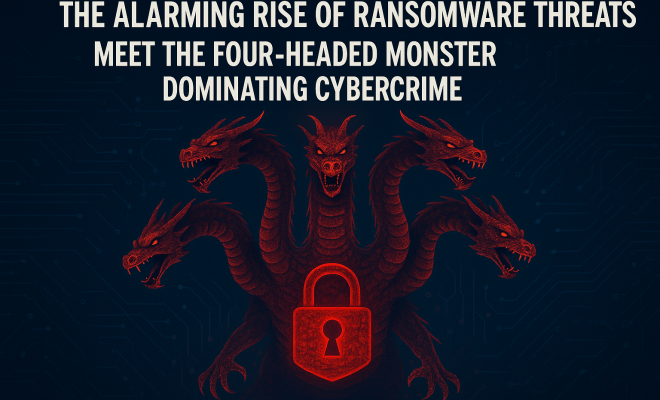
The landscape of ransomware threats has dramatically evolved, and recent data illustrates just how concerning the situation has become. In the second quarter of 2026, cybercriminals breached a staggering 2,279 victims, marking a 7% increase from the previous quarter and a jaw-dropping 43% surge from Q2 2025. The rapid escalation in ransomware attacks is not only alarming for organizations but also highlights the complexity and coordination of these crimes. Central to this chaos is what experts are calling the ‘four-headed monster’—a group of dominant ransomware entities that are not just participating in the crime but are orchestrating the majority of these breaches.
1. The Surge in Ransomware Incidents
The statistics surrounding ransomware incidents are shocking, to say the least. The increase of 43% year-over-year is indicative of a pressing issue that businesses and individuals can no longer afford to ignore. With thousands of organizations falling victim to these attacks, there’s a palpable sense of urgency in the cybersecurity community. The rise in breaches can be attributed to several factors, including the growing sophistication of cybercriminals, the availability of ransomware-as-a-service (RaaS), and the increasing reliance on digital technologies.
Moreover, this surge isn’t just a number; it represents real consequences. Organizations face not only financial losses but also reputational damage, legal liabilities, and operational disruptions that can last for weeks or even months. With the vast majority of attacks driven by a small number of highly organized groups, the implication is clear: businesses need to bolster their defenses against these specific and formidable ransomware threats.
2. The Characteristics of the ‘Four-Headed Monster’
What exactly constitutes this ‘four-headed monster’ of ransomware? Experts have identified four primary groups that dominate the landscape, each characterized by distinct strategies and targets. These groups frequently collaborate, share resources, and utilize advanced technology, making them particularly dangerous. This coordination allows them to penetrate defenses more effectively than smaller, less organized actors.
Each of these groups has its own unique modus operandi, but they typically leverage tactics such as phishing, exploiting software vulnerabilities, and employing social engineering. By doing so, they can access sensitive data and systems, encrypt important files, and ultimately demand ransoms from their victims. As they become more sophisticated, their demands have also increased, with some groups now requesting ransoms that can reach millions of dollars.
3. The Psychological Impact on Victims
The emotional toll on victims of ransomware attacks cannot be underestimated. The fear of potential data loss, financial ruin, and the overall disruption to daily operations creates a climate of anxiety for businesses. Organizations often find themselves in a no-win situation, forced to weigh the risks of paying the ransom against the costs associated with data recovery and system restoration.
Additionally, the social ramifications are significant. Employees may experience heightened stress levels, and the overall workplace morale can suffer. In many cases, businesses that refuse to pay the ransom may find themselves facing public scrutiny, which can lead to further reputational damage. Thus, the psychological implications of being targeted by these ransomware threats extend far beyond the immediate financial concerns.
4. Enhanced Organizational Vulnerabilities
Despite increased awareness of cybersecurity measures, organizations are still finding themselves vulnerable to ransomware threats. This paradox may stem from a variety of factors, including budget constraints, lack of skilled personnel, and the rapid pace of technological change. Many businesses struggle to keep up with the latest security protocols and technologies needed to defend against sophisticated ransomware attacks. This builds on 2026 ransomware outlook.
Additionally, the shift to remote work has introduced new vulnerabilities. With employees accessing company resources from various locations and devices, the potential attack surface has expanded dramatically. Cybercriminals are exploiting these weaknesses, often through unsecured home networks or personal devices, making it critical for organizations to implement comprehensive cybersecurity strategies that encompass all aspects of their operations.
5. Ransomware-as-a-Service: The New Normal
The emergence of ransomware-as-a-service (RaaS) has revolutionized the way cybercrime is conducted. This model allows less skilled hackers to launch ransomware attacks by purchasing software and services from more experienced criminal groups. This trend has lowered the barrier to entry for cybercrime, resulting in a significant increase in the number and variety of attacks.
RaaS platforms provide everything from tools for launching attacks to customer support for those who purchase their services. This democratization of cybercrime means that organizations must remain vigilant against a wider array of potential threats, as even amateur hackers now have access to sophisticated tools that were once the purview of highly skilled experts. The proliferation of RaaS has made combating ransomware threats an increasingly complex challenge for cybersecurity professionals. (See: CDC Cybersecurity Resources.)
6. Emerging Defenses and Strategies
The rise of ransomware threats has prompted many organizations to rethink their security strategies. Companies are increasingly investing in advanced threat detection systems, employee training, and incident response planning to mitigate the risks associated with ransomware. Multi-factor authentication (MFA), regular software updates, and comprehensive backup solutions are becoming standard practices as businesses work to fortify their defenses.
Moreover, organizations are looking to collaborate with cybersecurity firms and law enforcement agencies to share intelligence and develop proactive strategies for dealing with threats. By pooling resources and knowledge, entities can better prepare for potential attacks and minimize the impact of ransomware on their operations.
7. The Role of Legislation and Policy
As ransomware attacks continue to skyrocket, various governments are beginning to take action. There’s a growing recognition of the need for policies that address the issue at both national and international levels. Some countries are developing stricter regulations surrounding cybersecurity practices, while others are looking to implement penalties for organizations that fail to protect sensitive data adequately.
The role of legislation in combating ransomware threats is multifaceted. It can serve to hold organizations accountable for their cybersecurity posture while also providing a framework for collaboration between the public and private sectors. By fostering cooperation, governments can help create a united front against cybercriminals who are operating across borders.
8. The Future of Ransomware Threats
Looking ahead, it’s clear that the trajectory of ransomware threats is concerning. With the four-headed monster continuing to dominate the landscape, businesses must remain vigilant. Cybercriminals are constantly evolving their tactics, and as technology advances, so too will the methods used for these attacks.
Emerging technologies such as artificial intelligence (AI) and machine learning may play both offensive and defensive roles in the future of ransomware attacks. While cybercriminals may use AI to develop more sophisticated attacks, organizations can also leverage these technologies to better predict and respond to threats. The adaptability of both sides in this ongoing battle will shape the future of cybersecurity and the effectiveness of defenses against ransomware.
9. Taking Action: What You Can Do
For both individuals and organizations, understanding the landscape of ransomware threats is crucial for taking proactive measures. Regularly updating software, investing in cybersecurity training for employees, and having a comprehensive incident response plan in place can significantly reduce the likelihood of falling victim to an attack.
Additionally, organizations should consider engaging with cybersecurity professionals who can provide tailored solutions based on their unique needs. It’s vital to stay informed about emerging threats and trends to adapt strategies accordingly. As the ransomware ecosystem continues to grow and evolve, being proactive is key to mitigating risks and protecting sensitive data.
10. Industry-Specific Vulnerabilities
Ransomware threats don’t impact all sectors equally. Different industries face unique risks based on the nature of their operations and the type of data they handle. For instance, the healthcare sector has become a prime target due to the sensitive information it holds. A successful ransomware attack on a healthcare provider not only disrupts services but can also jeopardize patient care. In fact, a report from the Cybersecurity and Infrastructure Security Agency (CISA) noted that 62% of healthcare organizations reported a ransomware attack in the past year, underlining the need for robust defenses in this critical industry.
Similarly, the financial sector experiences significant risks as cybercriminals look to exploit vulnerabilities to access sensitive financial data. A survey from the Ponemon Institute revealed that the average cost of a ransomware attack in the financial sector was approximately $1.4 million, emphasizing the potential financial fallout of these incidents. Industries such as manufacturing and education are also increasingly targeted as they often lack the sophisticated security measures present in larger organizations.
11. Case Studies: Lessons Learned from Ransomware Attacks
Real-world examples of ransomware incidents can provide valuable insights into the tactics employed by cybercriminals and the lessons that can be learned. One of the most notable cases is the Colonial Pipeline attack in May 2021, which led to the shutdown of a major fuel pipeline in the U.S. Following the attack, the company paid a ransom of $4.4 million, highlighting the operational impact and urgency to restore services. This incident served as a wake-up call for many organizations, prompting them to evaluate their cybersecurity measures and incident response plans.
Another significant example is the attack on JBS, a major meat processing company, which resulted in the temporary closure of several facilities. JBS also paid an $11 million ransom, showcasing the immense financial pressures organizations face when dealing with ransomware threats. These case studies demonstrate the critical importance of having proactive measures in place and the need for organizations to invest in cybersecurity.
12. Expert Perspectives on Combating Ransomware
Experts agree that combating ransomware threats requires a multi-faceted approach that includes technological, organizational, and human factors. Dr. Emily Johnson, a cybersecurity researcher at Tech University, emphasizes the role of education in mitigating risks. “Employee training is essential,” she states. “Most attacks begin with human error, such as falling for phishing scams. Regular training can empower employees to recognize potential threats.” (See: New York Times on Ransomware Attacks.)
Similarly, cybersecurity expert Mark Stevens urges organizations to prioritize security hygiene. “Implementing strong password policies, keeping software up to date, and maintaining regular backups can drastically reduce the likelihood of a successful attack,” he explains. His insights underline the necessity of viewing cybersecurity as an ongoing commitment rather than a one-time task.
13. Frequently Asked Questions (FAQ)
What is ransomware?
Ransomware is a type of malicious software that encrypts a victim’s files, rendering them inaccessible. The attacker then demands a ransom payment in exchange for the decryption key.
How do I know if my system has been infected with ransomware?
Signs of a ransomware infection include files that have become inaccessible or have unusual file extensions, messages demanding payment for decryption, and slow system performance. If you suspect an infection, it is crucial to disconnect your device from the internet immediately.
Should I pay the ransom?
Experts advise against paying the ransom as it does not guarantee that you will regain access to your files and can further incentivize cybercriminals. Instead, focus on restoring from backups and reporting the incident to law enforcement.
How can I protect my organization from ransomware attacks?
To protect against ransomware threats, it is essential to implement strong security measures, including regular backups, employee training, multi-factor authentication, and up-to-date security software. Establishing an incident response plan can also help minimize damage in the event of a successful attack.
What are the latest trends in ransomware attacks?
Recent trends include the rise of Ransomware-as-a-Service (RaaS), where attackers offer ransomware tools to less skilled individuals, as well as double extortion tactics where attackers not only encrypt data but also threaten to leak sensitive information if the ransom is not paid.
How do I report a ransomware attack?
If you experience a ransomware attack, report it to your local law enforcement agency and the Cybersecurity and Infrastructure Security Agency (CISA). Gather as much information as possible to assist in their investigation.
14. Understanding Ransomware Payment Trends
The question of whether to pay a ransom is often fraught with ethical and strategic dilemmas. Recent studies indicate a disturbing trend: a growing number of organizations are opting to pay the ransom. In 2022 alone, approximately 60% of victims paid their attackers, according to a report by cybersecurity firm Coveware. While paying the ransom might seem like a quick solution, it can lead to a cycle of dependence, where organizations become repeat targets. Cybercriminals may see paying organizations as easy marks, leading to further attacks in the future.
Additionally, the average ransom amount has escalated sharply. In early 2023, the average payment reached approximately $250,000, with some cases soaring into the millions. This trend illustrates how the financial implications of ransomware attacks are becoming increasingly severe, pushing organizations to reassess their risk management strategies.
15. Innovative Technologies in Ransomware Defense
With the complexity of ransomware threats on the rise, it’s essential to explore innovative technologies that can bolster defenses. Artificial intelligence (AI) and machine learning (ML) are at the forefront of this evolution. These technologies can analyze vast amounts of data, identifying patterns and anomalies that may signal an impending attack. For example, AI can help detect unusual user behavior or access patterns that differ from the norm, alerting security teams before an attack can take place. (See: WHO Cybersecurity Fact Sheet.)
Another promising technology is behavior-based detection, which focuses on identifying malicious activity based on behavior rather than relying solely on known signatures. This approach allows for quicker and more effective responses to new and evolving ransomware strains. Companies that adopt such technologies not only improve their chances of preventing an attack but also reduce their response times significantly.
16. The Importance of Regular Backups
One of the most effective ways to combat ransomware threats is to maintain regular backups of all critical data. Organizations that have comprehensive backup strategies are often able to restore their systems without succumbing to the demands of cybercriminals. Regular backups should be stored offline or in a secure cloud environment, making them less susceptible to attacks.
According to a survey by the Allied Market Research, approximately 46% of organizations reported that they had successfully restored their data from backups after a ransomware attack. This statistic underscores the importance of having a robust backup solution as part of your cybersecurity strategy. In addition, regular testing of backup recovery processes ensures that data can be restored quickly and efficiently in case of an attack.
17. The Role of Cyber Insurance
Cyber insurance is becoming an increasingly important tool in managing the financial risks associated with ransomware threats. Policies are designed to cover a range of costs, including ransomware payments, legal fees, and recovery expenses. However, it’s crucial for organizations to carefully assess their policies, as not all cyber insurance plans cover ransomware attacks, and some require specific security measures to be in place.
In 2023, cyber insurance claims related to ransomware increased by 80%, highlighting the growing awareness of the need for such coverage. Organizations should work with insurers to ensure they understand their coverage options and what steps they need to take to prevent claims from being denied. As the threat landscape evolves, cyber insurance will continue to play a pivotal role in organizational risk management.
18. Best Practices for Incident Response
Having a well-defined incident response plan is crucial for minimizing damage in the event of a ransomware attack. Organizations should develop a comprehensive plan that outlines specific steps to be taken when an incident occurs. This includes establishing a response team, defining roles and responsibilities, and having a communication strategy in place to ensure that stakeholders are informed.
Regular training and simulations can help prepare teams for actual attack scenarios, enabling a quicker and more effective response. Research from the Ponemon Institute shows that organizations with a solid incident response plan can reduce the time to identify and contain a breach by up to 50%, significantly lessening the impact of an attack.
19. Conclusion: The Road Ahead
As ransomware threats continue to evolve, organizations and individuals must prioritize cybersecurity. Implementing innovative technologies, maintaining regular backups, and developing comprehensive incident response plans are key strategies to mitigate risks. The landscape is continuously changing, and staying informed about emerging trends and best practices is essential. By taking proactive steps, organizations can not only protect themselves from current threats but also prepare for the challenges of tomorrow.
“`
Trending Now
Frequently Asked Questions
What are the main causes of the rise in ransomware attacks?
The rise in ransomware attacks can be attributed to several factors, including the increasing sophistication of cybercriminals, the availability of ransomware-as-a-service (RaaS), and the growing reliance on digital technologies. These elements have created a perfect storm for cybercrime, leading to a significant increase in incidents.
Who are the 'four-headed monster' in ransomware threats?
The 'four-headed monster' refers to four dominant ransomware groups that orchestrate the majority of attacks. Each group employs distinct strategies and targets, making them particularly formidable threats in the cybersecurity landscape.
What impact do ransomware attacks have on organizations?
Ransomware attacks can lead to severe consequences for organizations, including financial losses, reputational damage, legal liabilities, and operational disruptions. These impacts can last for weeks or even months, emphasizing the urgency for businesses to strengthen their cybersecurity measures.
How much have ransomware incidents increased recently?
Ransomware incidents have seen a staggering increase of 43% year-over-year, with 2,279 victims reported in the second quarter of 2026. This sharp rise underscores the escalating threat posed by cybercriminals and the need for enhanced security protocols.
What is ransomware-as-a-service (RaaS)?
Ransomware-as-a-service (RaaS) is a business model that allows cybercriminals to rent or purchase ransomware tools and services from developers. This accessibility has contributed to the proliferation of ransomware attacks, as even less skilled criminals can launch effective campaigns.
See also latest victim reports.
What's your take on this? Share your thoughts in the comments below — we read every one.