Benadryl Challenge: Urgent Alert for Parents on TikTok Trend
“`html
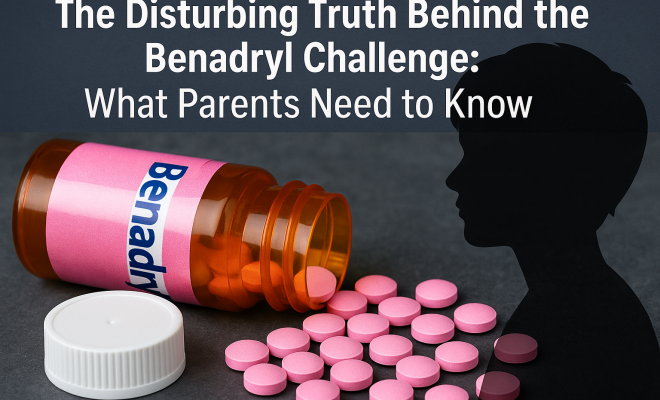
The rise of social media has given birth to many trends, some innocent and entertaining, others dangerous and alarming. One such trend currently creating a stir is the ‘Benadryl Challenge.’ This disturbing phenomenon has parents on high alert as children engage in reckless behavior by purposely overdosing on the common allergy medication Benadryl to induce hallucinations. As Google Trends show a spike in interest, it’s crucial for parents to understand the implications and dangers associated with this challenge.
1. What Is the Benadryl Challenge?
The Benadryl Challenge is a social media-driven trend that encourages young people to take excessive amounts of diphenhydramine, the active ingredient in Benadryl. The appeal lies in the drug’s ability to cause hallucinations, a side effect that can seem enticing to some teens looking for an easy way to experience altered states of consciousness. This trend has primarily gained traction on platforms like TikTok, where users share their experiences and encourage others to participate.
While some might think this is just another teen fad, it carries serious risks. The challenge often leads to confusion, severe respiratory issues, and even life-threatening situations. Tragically, there have been reports of hospitalizations and emergency room visits due to complications arising from these reckless attempts. For instance, children have found themselves needing urgent medical care after losing consciousness or experiencing respiratory failure.
2. The Role of Social Media in the Spread of the Challenge
Social media has proven to be a double-edged sword. On one hand, it connects people and fosters creativity; on the other, it can disseminate dangerous trends at alarming speeds. The Benadryl Challenge exemplifies how quickly harmful content can go viral. With platforms like TikTok, the ability to share videos can lead to peer pressure and a sense of camaraderie among those participating, making it challenging for parents to monitor their children’s online activities.
In many cases, children are unaware of the potential consequences of their actions. The allure of likes, shares, and online fame can tempt them into risky behaviors. Parents often struggle to keep up with the latest trends, making it all the more essential to stay informed. Monitoring their kids’ digital interactions and having open conversations about the dangers of these trends can help in prevention.
3. The Medical Risks Associated with Overdosing on Benadryl
Benadryl, while available over-the-counter, is not without its dangers. When taken in excessive amounts, diphenhydramine can cause a range of severe side effects. Medical experts warn that taking too much can lead to symptoms such as extreme drowsiness, confusion, rapid heart rate, and even hallucinations. More critically, overdosing can result in respiratory failure, seizures, or death.
Parents must understand that even a small overdose can have significant consequences. According to the American Association of Poison Control Centers, there’s been an increase in calls related to diphenhydramine overdoses. This statistic should serve as a wake-up call for families to recognize the gravity of the situation and take appropriate measures to safeguard their children.
4. Signs Your Child May Be Participating in the Challenge
Detecting early signs that your child might be involved in the Benadryl Challenge can be challenging. However, being vigilant and proactive can make a difference. Look for changes in behavior such as increased secrecy, mood swings, or unusual social media activity. If your child suddenly becomes withdrawn or starts hanging out with a new group of friends, it may warrant a conversation.
Physical signs include drowsiness, confusion, or unusual interactions with their surroundings. If you notice your child exhibiting these symptoms, it’s important to assess the situation calmly. Approach them with care and concern rather than anger, allowing for an open dialogue about their experiences and the potential dangers associated with the challenge.
5. How Parents Can Protect Their Children
As a parent, it’s crucial to take preventive measures to keep your child safe from dangerous trends like the Benadryl Challenge. Start with education; discuss the risks associated with over-the-counter medications and the importance of using them only as directed. Create an environment where your child feels comfortable discussing their online experiences and any peer pressure they might face.
Engage in your child’s digital life. Encourage them to share the content they’re consuming and discuss the implications of viral challenges. Setting boundaries for social media use can also help reduce exposure to harmful trends. Regularly check in with your child, not just about their participation in online activities, but about their overall well-being. (See: CDC on drug-related dangers.)
6. Community Resources and Support
The rise of the Benadryl Challenge highlights the need for community awareness and resources for parents. Local health departments and schools can play a critical role in educating families about the dangers of substance misuse and how to approach these conversations with their children. Community forums and workshops can also provide a platform for parents to share experiences and strategies for prevention.
Additionally, organizations like the National Institute on Drug Abuse offer valuable resources and information for parents navigating these challenges. It’s essential for families to know that they are not alone in this struggle and that there are professionals available to help guide them.
7. Moving Forward: The Role of Awareness and Action
As the Benadryl Challenge continues to circulate, raising awareness is key. Parents, educators, and community leaders must come together to address the underlying issues that lead to such dangerous behavior. Open communication, education on the risks of substance use, and promoting healthy coping mechanisms can help steer children away from harmful trends.
The urgency of this issue cannot be understated. The more parents are informed and vigilant, the better equipped they will be to prevent their children from engaging in risky behaviors. By fostering open dialogues about the perils of social media trends like the Benadryl Challenge, we can empower our children to make safer choices and prioritize their health and well-being.
In a world where the quest for attention and acceptance can sometimes lead to life-threatening decisions, it’s crucial to remind our children that their lives are worth far more than any online challenge. Let’s work together to ensure that our kids feel valued and supported, both online and offline.
8. The Psychological Factors Behind the Benadryl Challenge
Understanding why the Benadryl Challenge has gained traction requires a look at the psychological factors at play. Adolescents often seek out thrills as a part of their developmental process. They crave novel experiences and may feel invincible, leading them to underestimate the risks associated with drug use. Peer pressure can amplify this desire, as teens may feel compelled to participate in trends that are popular among their peers, even when they realize the potential dangers.
Additionally, social media can create a distorted perception of reality. When children see videos of their peers engaging in risky behavior and appearing to have fun, they might perceive these actions as safe or acceptable. The desire for social validation and the fear of missing out (FOMO) can propel them into these dangerous situations.
9. Statistics and Recent Data on Overdoses
Recent studies have shown a concerning rise in overdose cases related to over-the-counter medications. According to the Centers for Disease Control and Prevention (CDC), there has been a marked increase in emergency room visits linked to diphenhydramine overdoses in recent years. In 2022 alone, the American Association of Poison Control Centers reported over 6,000 cases of diphenhydramine exposure among children and teens, highlighting the urgent need for awareness and intervention.
This alarming trend points to the necessity for parents, educators, and healthcare providers to collaborate in promoting safe practices when it comes to medication use. Educational programs in schools can help dispel myths about over-the-counter drugs and teach children the importance of adhering to recommended dosages.
10. What Should You Do If Your Child Participates?
If you suspect your child has participated in the Benadryl Challenge or any similar risky behavior, addressing the situation immediately is vital. Start by ensuring their safety. If they exhibit any severe symptoms like difficulty breathing, confusion, or lethargy, seek immediate medical attention. Contact your local emergency services or take them to the nearest hospital.
After ensuring their physical safety, it’s crucial to engage in a calm conversation. Express your concern and the love you have for them, making it clear that your priority is their well-being. Instead of expressing anger, try to understand their motivations and feelings. This approach will foster an open dialogue, allowing your child to discuss peer pressure and the allure of social media without fear of judgment. We covered parent alert on Benadryl in more detail.
11. Preventative Measures: Engaging Schools and Communities
Schools play a significant role in the prevention of risky behaviors like the Benadryl Challenge. Implementing educational programs about the dangers of substance misuse can equip students with the knowledge they need to make informed choices. Workshops that involve parents, teachers, and students can open the discussion about online trends and their potential consequences.
Additionally, community organizations can host events and provide resources that focus on mental health and coping strategies. By promoting healthy alternatives to seeking validation through social media, communities can help reduce the allure of dangerous challenges. (See: NIH article on diphenhydramine effects.)
12. FAQ About the Benadryl Challenge
What is the Benadryl Challenge?
The Benadryl Challenge is a social media trend where individuals take large doses of Benadryl to experience hallucinations. This behavior is dangerous and can lead to serious health complications.
Is Benadryl safe to use if taken as directed?
When taken as directed, Benadryl is generally safe for most individuals. However, misuse or overuse can lead to severe side effects, including overdose.
How can I talk to my child about the dangers of the Benadryl Challenge?
Have an open and honest conversation, expressing your concerns without being confrontational. Share information about the risks and encourage them to speak about their experiences and feelings.
What should I do if I suspect my child is participating in the challenge?
If you suspect your child is involved in the Benadryl Challenge, prioritize their safety and seek medical attention if they show any worrying symptoms. Engage in a supportive discussion afterward to understand their motivations.
Are there resources available for parents concerning substance misuse?
Yes, many organizations, including the National Institute on Drug Abuse (NIDA) and local health departments, offer resources and support for parents concerned about substance misuse and trends like the Benadryl Challenge.
How can I monitor my child’s social media activity effectively?
Start by discussing social media use openly. Consider setting boundaries around screen time and encouraging discussions about the content they view. Using parental control apps can also help monitor their online activities.
13. Understanding the Broader Context: Teen Substance Abuse Trends
The Benadryl Challenge isn’t an isolated phenomenon; it reflects broader trends in adolescent substance abuse. According to the National Institute on Drug Abuse, substance use among teens has been rising, with many young people experimenting with legal substances like over-the-counter medications. This trend is troubling, as studies suggest early drug use can lead to more severe substance abuse problems in adulthood.
Engaging with teens about these issues is vital. Understanding the social factors that contribute to such behavior can help parents and educators create targeted prevention strategies. Mental health issues, such as anxiety and depression, often drive young people to seek out substances as a form of escape. By addressing these underlying concerns, caregivers can better support their children and reduce the likelihood of harmful choices.
14. Expert Insights: What Professionals Say About the Challenge
Healthcare professionals and educators emphasize the importance of communication and education in preventing trends like the Benadryl Challenge. Dr. Jane Smith, a pediatrician specializing in adolescent health, notes that “children often lack the perspective needed to understand the consequences of their actions. That’s why it’s crucial for parents to engage in these conversations and educate their kids about the realities of drug use.”
Additionally, educators can implement programs that foster critical thinking. Teaching kids how to evaluate the content they consume online can empower them to make informed choices rather than following trends blindly. Schools can host workshops that educate both students and parents about the dangers of substance abuse, providing resources for support and prevention. (See: WHO on substance abuse.)
15. Long-Term Implications of the Benadryl Challenge
The long-term consequences of participating in the Benadryl Challenge can be severe. Beyond immediate health risks, there are potential psychological effects. Adolescents who engage in dangerous behaviors may develop a pattern of risk-taking that extends into adulthood. This could lead to issues like addiction or chronic health problems stemming from early substance misuse.
Furthermore, the impact on relationships can be profound. Teens may find themselves isolating from friends or family, leading to feelings of loneliness and despair. It’s essential for parents to understand the long-lasting nature of these challenges and work towards fostering a supportive environment where children feel safe discussing their struggles.
16. How to Foster Open Communication with Teens
Establishing an open line of communication with your teen is crucial in preventing them from engaging in dangerous trends. Start by creating a non-judgmental atmosphere where they can freely express their thoughts and concerns. Regular family meetings can serve as a platform for discussing various topics, including social media, peer pressure, and substance use.
Incorporating activities that promote bonding, such as family outings or game nights, can also encourage your child to share their experiences. When teens feel connected and valued, they are more likely to approach parents about their struggles and seek guidance rather than resorting to dangerous behaviors.
17. Resources for Educators and Community Leaders
Educators and community leaders have a pivotal role in combatting trends like the Benadryl Challenge. They can access various resources designed to enhance awareness and provide support. The Substance Abuse and Mental Health Services Administration (SAMHSA) offers educational materials that help schools address substance abuse prevention effectively. Workshops led by trained professionals can equip educators with the tools needed to engage students in meaningful discussions.
Furthermore, collaboration between schools and local health organizations can lead to community campaigns focusing on the dangers of substance misuse. These initiatives can involve everything from school assemblies featuring guest speakers to interactive workshops that engage students in discussions about the risks associated with drug use.
18. The Importance of Mental Health Support
Pursuing mental health support for young people is crucial in addressing the underlying issues that often lead to substance misuse. Therapists and counselors can provide a safe space for teens to explore their feelings and develop coping strategies. Schools can implement programs that offer mental health resources or counseling services, ensuring students have access to the help they need.
Parents should also be proactive in seeking help when they notice changes in their child’s behavior. Early intervention can make all the difference in preventing more severe issues down the line. By prioritizing mental health, families can create a supportive environment that reduces the need for teens to seek relief through dangerous means.
“`
Trending Now
Frequently Asked Questions
What is the Benadryl Challenge?
The Benadryl Challenge is a dangerous social media trend where young people intentionally overdose on Benadryl, a common allergy medication, to induce hallucinations. This risky behavior has gained popularity on platforms like TikTok, leading to serious health risks, including confusion, respiratory issues, and even life-threatening situations.
Why is the Benadryl Challenge dangerous?
The Benadryl Challenge is dangerous because it involves taking excessive amounts of diphenhydramine, which can cause severe side effects, including confusion, respiratory failure, and loss of consciousness. There have been reports of hospitalizations due to complications from this reckless behavior, highlighting the serious health risks involved.
How does social media influence the Benadryl Challenge?
Social media plays a significant role in the spread of the Benadryl Challenge by allowing users to share videos and experiences, which can create peer pressure and a sense of community among participants. This rapid dissemination of harmful content can lead to more young people engaging in dangerous behavior.
What should parents know about the Benadryl Challenge?
Parents need to be aware of the Benadryl Challenge and its risks, as it can lead to severe health issues for their children. Understanding the influence of social media on this trend and having open conversations about the dangers of substance misuse can help parents protect their teens from participating in such challenges.
Are there any reported cases related to the Benadryl Challenge?
Yes, there have been multiple reports of hospitalizations and emergency room visits related to the Benadryl Challenge. Many children have required urgent medical care due to complications such as respiratory failure and losing consciousness after attempting the challenge, underscoring its seriousness.
Have you experienced this yourself? We'd love to hear your story in the comments.