Best of Teacher HELPLINE: How Can I Use Selfies in the Classroom
“`html
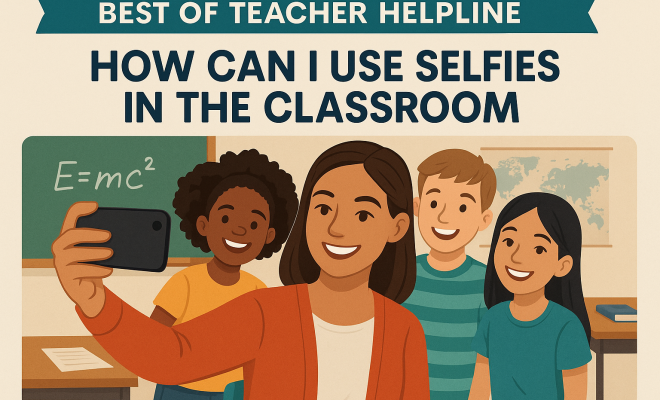
In a world where technology continually reshapes the landscape of education, teachers are finding creative ways to engage students. One of the most intriguing methods recently discussed is the use of selfies in the classroom.
Selfies aren’t just a trend; they can be a powerful educational tool. As smartphones become ubiquitous among students and their peers, incorporating selfies into classroom activities not only resonates with students but can also enhance learning experiences. Here are eight innovative ways educators can leverage selfies to foster engagement, creativity, and personal expression in the classroom.
1. Showcase Student Work:
One of the most effective uses of selfies in the classroom is to showcase student work. By allowing students to take selfies with their completed projects, teachers can encourage a sense of pride and accomplishment. This practice not only boosts self-esteem but also fosters a sense of community within the classroom.
For instance, a student who has just completed a science project can snap a selfie with their model, providing a visual representation of their hard work. Teachers can then create a bulletin board or digital gallery to highlight these efforts, celebrating each student’s unique contributions. This not only motivates students but also serves as a visual reminder of their collective achievements.
2. Enhance Digital Literacy:
Incorporating selfies into classroom activities is an excellent way to enhance digital literacy. As students are required to navigate various digital tools and platforms, using selfies can help them develop important skills needed for today’s digital world. Teachers can introduce basic photography skills, like composition and lighting, alongside lessons about privacy and responsible online sharing.
By guiding students on how to take professional-quality selfies, which may include lessons on angles or editing techniques, educators provide them with practical skills that extend beyond the classroom. This not only empowers students to express themselves but also prepares them for future opportunities in a tech-driven environment.
3. Promote Reflection and Self-Assessment:
Selfies in the classroom can encourage students to engage in self-reflection and assessment. By asking students to take selfies at different stages of their learning journey, they can visually track their progress over time. For instance, a student could take selfies at the beginning and end of a project, allowing them to reflect on their growth and areas for improvement.
Teachers can prompt students with guided questions to accompany their selfies, like “What challenges did you face?” or “What skills did you develop?” This practice of reflection not only deepens understanding but also encourages students to take ownership of their learning experiences.
4. Foster Creativity and Expression:
Selfies also provide a unique avenue for creativity and self-expression. Students can use selfies as a canvas for artistic expression, incorporating props, costumes, or backgrounds that relate to their lessons. For example, during a literature unit, students could take selfies dressed as their favorite characters, bringing the stories to life in a personal way.
Additionally, teachers can encourage students to explore different selfie styles, such as candid shots or thematic portraits, allowing for greater creative freedom. This not only enhances their artistic skills but also fosters critical thinking as they decide how to visually represent ideas and themes. (See: Selfies in education.)
5. Use Selfies for Collaborative Projects:
Group projects often struggle with participation disparities, but selfies can help bridge that gap. By incorporating selfies into group assignments, students are encouraged to work together and contribute equally. For instance, teams can create a photo story where each member submits selfies representing their roles or contributions to the project.
This collaborative effort not only strengthens teamwork skills but also fosters a sense of belonging. When students feel included and valued for their contributions, they’re more likely to engage deeply with the project and with each other.
6. Create Interactive Lessons:
Selfies can energize lessons and make them more interactive. Teachers can design activities where students take selfies related to specific learning objectives. For example, in a history lesson, students might take selfies reenacting famous historical events or figures. This interactive approach transforms lessons from passive learning experiences into active engagements.
These interactive selfies can then be compiled into a class project, such as a digital scrapbook or a video montage, further solidifying students’ understanding through creative expression. By making learning fun and engaging, students are more likely to retain information and develop a passion for the subject matter.
7. Encourage Positive Digital Citizenship:
In the age of social media, teaching students about digital citizenship is crucial. Using selfies in the classroom provides a unique opportunity to discuss online etiquette and responsible sharing. Teachers can lead discussions on what is appropriate to share and how to maintain privacy while expressing oneself online.
By encouraging students to think critically about their selfies — considering the implications of sharing certain images or messages — educators foster a sense of responsibility among young users of digital platforms. This education not only helps them navigate social media more effectively but also instills values of respect and empathy in their interactions.
8. Documenting Learning Journeys:
Finally, selfies can serve as a documentation tool for students’ learning journeys. Educators can create a “learning portfolio” where students upload selfies alongside reflections on their experiences throughout the school year. This can include selfies from classroom activities, field trips, or personal milestones.
This method of documentation not only provides a visual representation of their academic growth but also allows students to look back on their experiences, reinforcing their learning. As they reflect on their journey, they can appreciate their progress and set goals for the future.
9. Integrating Selfies into Diverse Subjects:
Selfies are not limited to just arts and humanities. They can be integrated into a wide range of subjects to make learning more relatable. For example, in mathematics classes, students could take selfies while solving problems on the board or in groups, showcasing their collaborative efforts. In a language class, selfies could be used in vocabulary-building exercises where students take pictures of objects around them that relate to the words they are studying. This brings a dynamic element to the learning process and allows students to engage in practical applications of their lessons.
10. Enhancing Parent Engagement:
Incorporating selfies in the classroom can also strengthen the connection between school and home. By encouraging students to share their selfie experiences with their parents, educators can create opportunities for meaningful discussions at home. Parents can be invited to view a digital gallery of student selfies showcasing projects, events, and learning milestones. This not only keeps parents informed but also helps them engage with their child’s educational journey, fostering a supportive home environment. (See: Impact of technology on education.) (expand creativity in education)
11. Statistics Behind Selfies in Education:
Recent studies have shown that visual learning can significantly enhance retention rates. A survey conducted by the National Education Association found that 65% of students are visual learners. By incorporating visuals, such as selfies, into learning activities, teachers can cater to this dominant learning style. Moreover, research indicates that students are 50% more likely to stay engaged when they can connect personally with the material, which selfies facilitate by adding a personal touch to learning.
12. Expert Perspectives on Selfies in Education:
Educational experts have started to recognize the potential of selfies in the classroom. Dr. Angela Duckworth, a psychologist known for her work on grit and self-control, underscores the importance of student engagement in learning. She highlights that when students feel personally involved in their education through methods like selfies, they are more likely to develop resilience and passion for their subjects. Similarly, Dr. Linda Darling-Hammond, an education researcher, emphasizes the need for students to express themselves and connect their learning to their personal identities, which selfies can effectively facilitate.
13. Potential Challenges and Considerations:
While the integration of selfies in the classroom offers numerous benefits, it is essential to approach this practice thoughtfully. Privacy concerns are paramount; educators must set clear guidelines about what is appropriate to share and how to protect students’ identities online. Additionally, not all students may feel comfortable taking selfies. Providing alternative methods for participation, such as allowing students to draw representations or use avatars, can ensure inclusivity. Teachers should also monitor the classroom environment to prevent potential bullying related to selfies and foster a culture of respect and support.
14. FAQ: Using Selfies in the Classroom
Q1: What are some simple ways to start using selfies in the classroom?
A1: Start by incorporating selfies into small projects. For example, ask students to take selfies related to a theme or topic being studied and share them during presentations or discussions. You could also create a collaborative photo wall highlighting students’ contributions.
Q2: How can I ensure that selfies are used respectfully?
A2: Establish clear guidelines about what types of selfies are appropriate and how they should be shared. Encourage discussions about online etiquette and respect, and consider using consent forms for parents and students.
Q3: Can selfies be used in standardized testing preparation?
A3: Yes! Use selfies to create fun study guides where students take selfies representing concepts, formulas, or historical figures they are studying. This can help make review sessions enjoyable and interactive.
Q4: What if some students don’t have access to a smartphone?
A4: Provide alternatives such as using school cameras or allowing students to draw images or use props. The goal is to allow all students to participate in the creative process, regardless of the technology available to them.
Q5: Are there any assessment methods for selfie projects?
A5: Absolutely! You can assess students based on their participation, creativity, and the depth of their reflections accompanying the selfies. Create rubrics that address these areas, ensuring that students understand how they’ll be evaluated.
15. Selfies as a Tool for Social-Emotional Learning
Beyond academic benefits, selfies can play a significant role in social-emotional learning (SEL). By allowing students to express themselves through selfies, educators can foster an emotional connection to their learning environment. For example, students can take selfies that express how they feel about a particular subject or project. This practice encourages emotional awareness and can help teachers identify students who may be struggling.
Additionally, selfies can facilitate conversations about emotional expression and self-image. Teachers can guide discussions on how to maintain a positive self-image in a world dominated by social media. This not only promotes healthy self-esteem but also helps students build resilience in facing societal pressures.
16. Global Perspectives on Selfies in Education
The use of selfies in education isn’t confined to the United States; it’s a global phenomenon. In various countries, educators are adopting innovative teaching methods that incorporate technology and personal expression. For instance, in Japan, teachers are using selfies to enhance language learning by having students document their daily lives and share their experiences with classmates. This not only promotes language skills but also cultural exchange, as students learn about each other’s backgrounds and lives.
In Australia, educators incorporate selfies into environmental studies, where students take selfies with local flora and fauna. This practice not only raises awareness about biodiversity but also promotes a sense of community responsibility towards the environment. By showcasing global examples, teachers can inspire students to think about the broader implications of their learning and how they can contribute to their communities.
17. Future Trends: The Next Evolution of Selfies in Education
As technology continues to evolve, so too will the role of selfies in the classroom. One emerging trend is the integration of augmented reality (AR) with selfies. Imagine students using AR filters to transform their selfies into historical figures or literary characters, blending digital creativity with curriculum content. This not only enhances engagement but also offers a more immersive learning experience.
Moreover, as artificial intelligence (AI) becomes more prevalent, personalized education can be enhanced through the use of selfies. AI could analyze students’ selfies to provide feedback on their emotional states or engagement levels during lessons, allowing teachers to tailor their approaches accordingly. The future of education is not just about technology but about how to use these tools to create meaningful, personalized learning experiences.
In a time when classrooms are evolving to meet the needs of a digital generation, the innovative use of selfies in the classroom opens up a world of possibilities for educators. From showcasing student work to fostering creativity and reflection, selfies can play a vital role in enhancing the educational experience. As technology continues to evolve, embracing tools like selfies not only engages students but also prepares them for a future where digital expression is fundamental.
So, why not explore the exciting potential of selfies in the classroom? You might just find that they offer an engaging way to connect with your students and enhance their learning experiences.
“`
Trending Now
Frequently Asked Questions
How can selfies be used in the classroom?
Selfies can be used in the classroom to showcase student work, enhance digital literacy, and promote personal expression. Students can capture their completed projects, fostering a sense of pride, while also learning important digital skills like photography and responsible online sharing.
What are the benefits of using selfies in education?
Using selfies in education boosts student engagement, self-esteem, and community building. It allows students to take ownership of their work and encourages creative expression, making learning more relatable and enjoyable in a tech-savvy world.
How do selfies enhance digital literacy among students?
Selfies enhance digital literacy by teaching students essential photography skills such as composition and lighting. Additionally, educators can guide them on privacy and responsible online sharing, equipping them with practical skills for the digital landscape.
Can selfies help build a sense of community in the classroom?
Yes, selfies can help build a sense of community in the classroom. By allowing students to share selfies with their work, teachers can create a visual representation of collective achievements, fostering pride and camaraderie among peers.
What innovative ways can teachers use selfies in their lessons?
Teachers can use selfies in various innovative ways, such as showcasing student projects, creating digital galleries, conducting photography lessons, and integrating discussions about online presence, all of which enhance engagement and learning experiences.
What did we miss? Let us know in the comments and join the conversation.