Best #2 Pencils for Standardized Tests
“`html
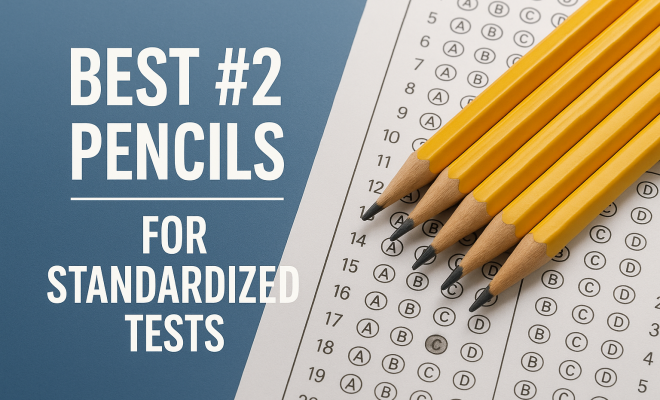
When it comes to standardized tests, every detail can make a difference, including the tools you use. Among those tools, the humble pencil stands out. While it may seem trivial, selecting the best pencils for standardized tests can significantly impact your performance and confidence on exam day. In this comprehensive guide, we’ll explore the best #2 pencils, why they matter, and what you should consider when making your choice.
Understanding Standardized Tests
Standardized tests play a crucial role in various educational settings, from elementary school assessments to college entrance exams like the SAT and ACT. These tests are designed to measure a student’s knowledge, skills, and readiness for the next level of education. They are typically multiple-choice formats that require the use of #2 pencils for marking answers on answer sheets.
But why the emphasis on #2 pencils? The reason lies in the scanners that read the answer sheets. These machines are calibrated to detect the graphite level in #2 pencils, making them the preferred choice for test-takers. While other pencil types may be useful for writing and sketching, the #2 pencil remains the gold standard for standardized tests.
The Importance of Choosing the Right Pencil
Not all #2 pencils are created equal. Factors such as lead quality, durability, and grip can affect your test-taking experience. A pencil that breaks easily or doesn’t write smoothly can become a source of frustration during an already stressful exam. Therefore, selecting the best pencils for standardized tests is essential.
When choosing a pencil, consider the following aspects: See also help your child succeed.
- Lead Quality: The quality of the graphite affects how smoothly a pencil writes. Better-quality lead will provide a consistent line without requiring excessive pressure.
- Durability: Pencils that break frequently can slow down your test-taking speed. Durability is key for maintaining focus and efficiency.
- Comfort and Grip: A pencil with a comfortable grip can help reduce hand fatigue, allowing you to concentrate better on the questions.
- Brand Reputation: Some brands have built a reputation for producing reliable and quality pencils. Opting for trusted brands can offer peace of mind.
Top #2 Pencils for Standardized Tests
Now that we understand the significance of pencil selection, let’s dive into some of the best #2 pencils for standardized tests. Here are our top picks:
1. Ticonderoga #2 Pencils
The Ticonderoga #2 pencil is often touted as the best pencil on the market. Known for its smooth writing experience and high-quality graphite, it rarely breaks and provides a consistent line. The hexagonal shape also ensures a comfortable grip, making it a favorite among students.
In addition, Ticonderoga pencils are made from sustainably sourced wood, appealing to environmentally conscious consumers. With its long-lasting performance, this pencil is a reliable choice for any standardized test.
2. Dixon Prang #2 Pencils
Another excellent option is the Dixon Prang #2 pencil. While slightly less popular than Ticonderoga, it still offers great quality at an affordable price. The lead is durable and writes smoothly, making it suitable for extended testing sessions.
One standout feature of the Dixon Prang pencil is its unique eraser, which effectively removes graphite marks without smudging. This can be particularly useful for making corrections during a test.
3. Paper Mate SharpWriter #2 Pencils
If you prefer mechanical pencils, the Paper Mate SharpWriter is an excellent choice. This retractable pencil is always sharp, ensuring you never have to deal with dull points during an exam. Its lightweight design makes it easy to handle, and its rubber grip enhances comfort during long periods of writing. (See: Standardized tests overview.)
Moreover, the SharpWriter is designed to be refillable, which means you can keep using the same pencil for multiple tests, making it environmentally friendly.
4. Amazon Basics #2 Pencils
For those on a budget, Amazon Basics offers a solid choice. These pencils provide good quality at a fraction of the cost of premium brands. They write smoothly and have a reliable eraser for corrections.
While they may not have the same level of durability as some higher-end pencils, they can still be a great option for students looking to save money without sacrificing too much quality.
5. Bic Xtra-Smooth #2 Pencils
The Bic Xtra-Smooth pencils are well-known for their smooth-writing capabilities. The lead is crafted to provide a consistent flow, making it easier to fill in those answer sheets quickly.
They also come in a variety of colors and designs, making them appealing to younger students who might want something a bit more fun than a standard yellow pencil.
What to Avoid When Choosing Pencils
While we’ve discussed the best pencils for standardized tests, it’s equally important to recognize what to avoid. Here are some common pitfalls:
- Non-standard Pencils: Avoid pencils that are not specifically labeled as #2. Using a different grade can result in poor performance on scanning machines.
- Pencils with Poorly Designed Erasers: Some pencils come with erasers that leave smudges or don’t erase cleanly. This can impact clarity when making corrections on answer sheets.
- Pencils with Fragile Leads: Stay away from pencils that break easily. A pencil that snaps frequently can lead to frustration and lost time during a test.
Tips for Preparing for Test Day
In addition to selecting the right pencils, here are some practical tips to ensure you’re fully prepared for standardized tests:
- Practice with Your Chosen Pencil: Get familiar with how your selected pencil writes. Practice filling in answer sheets to gauge how much pressure you need.
- Bring Extras: Always have extra pencils on hand. In case one breaks or runs out of lead, you’ll be ready to continue without interruption.
- Check the Testing Guidelines: Some tests may have specific requirements or recommendations regarding the type of pencil to use. Make sure to review the guidelines before test day.
Current Trends in Pencils for Testing
The pencil market is evolving, with new innovations and trends emerging. For instance, eco-friendly pencils made from sustainable materials are gaining traction. Many brands now offer pencils that are not only effective for standardized tests but also environmentally responsible.
Additionally, mechanical pencils are becoming increasingly popular for testing. With their consistent points and lack of sharpening needs, they’re appealing to students who prefer a hassle-free writing experience. However, it’s essential to ensure that the type of mechanical pencil used is permitted by the testing guidelines.
Expert Opinions on Pencils for Standardized Tests
Experts in education emphasize the significance of using quality writing instruments during standardized tests. Dr. Jane Anderson, an educational psychologist, explains, “The tools students use can significantly impact their performance. A reliable pencil allows students to focus more on the content of the test rather than the mechanics of writing.”
Furthermore, education consultant Mark Stevens stresses the importance of preparation: “As with any test, familiarizing yourself with your tools can help alleviate anxiety. The right pencil can make a difference in your overall experience.”
The Role of Pencils in Student Performance
Research indicates that the right writing tools can influence student performance. A study by the Educational Testing Service found that students who used high-quality writing instruments tended to perform better than those who used inferior tools.
The cognitive load theory suggests that anything that can reduce mental strain will enhance focus. When students don’t have to worry about their pencils breaking or skipping, they can devote more attention to the questions at hand. This underscores the importance of choosing the best pencils for standardized tests. (See: CDC Youth Risk Behavior Survey.)
Frequently Asked Questions (FAQ)
What makes #2 pencils different from other pencils?
#2 pencils have a specific graphite content that makes them ideal for standardized tests. They leave a mark that is dark enough for scanners to read while not being too soft, which can lead to smudging or breaking.
Can I use colored pencils for standardized tests?
No, colored pencils are generally not accepted for standardized tests. They do not conform to the requirements set by testing agencies and can cause scanning errors.
What if my pencil breaks during the test?
That’s why it’s essential to bring extra pencils. Check your test center’s policies regarding the use of additional pencils, and always be prepared with more than one option in case of breakage. (official SAT practice resources)
Are mechanical pencils allowed in standardized tests?
Some testing agencies may allow mechanical pencils, but many strictly require #2 graphite pencils. Always check the specific guidelines for your exam to avoid any issues on test day.
How can I ensure my pencil is test-ready?
Before test day, select your pencil and practice using it. Make sure it’s sharpened and in good condition. Look for any signs of wear or breakage that could affect its performance. It’s also good to check if you’ll need to erase any marks, ensuring the eraser works well.
Choosing the Right Pencil for Different Test Types
While many standardized tests require #2 pencils, different exams may have unique guidelines regarding the type of writing instrument allowed. For instance, some state assessments may provide recommendations for specific brands or types of pencils. Understanding these nuances can be crucial for your preparation.
Ultimately, knowing your test’s specific requirements and selecting a pencil that fits those guidelines will help set you up for success. It’s wise to read the official test materials or websites to stay informed about any changes to their policies.
The Psychological Impact of the Right Pencil
Believe it or not, the pencil you choose can influence your mindset during a test. A pencil that feels comfortable and writes smoothly can instill confidence, making you feel more at ease as you tackle challenging questions. Conversely, using a pencil that you’re not familiar with can lead to anxiety and distraction.
Many students report feeling more relaxed when they use a pencil that they have practiced with extensively. This psychological aspect can play an integral part in your overall performance, making the right choice in pencils even more critical.
The Environmental Considerations of Pencil Choices
As awareness of environmental issues grows, many students are looking for sustainable options when it comes to their school supplies. Eco-friendly pencils made from recycled materials or sustainably harvested wood offer a way to reduce your ecological footprint while still meeting testing requirements.
Brands like Ticonderoga not only focus on quality but also on sustainability. Opting for such products can provide peace of mind that you’re contributing positively to the environment even as you prepare for your exams. (See: Associated Press news articles.)
Final Thoughts on Choosing Pencils
As you prepare for your next standardized test, remember that the pencil you choose can play a surprising yet significant role in your performance. Opting for the best #2 pencils ensures that you have a reliable tool at your disposal. Whether you go for a classic Ticonderoga or try a modern mechanical pencil, make sure it feels comfortable and performs well. Test day can be stressful enough without worrying about whether your pencil will let you down.
Ultimately, investing a bit of time and thought into your pencil selection could be the difference between a smooth testing experience and one fraught with distractions. With the right tools in hand, you can focus on what truly matters: showcasing your knowledge and skills.
Additional Features to Look For
When selecting the best pencils for standardized tests, it’s worth considering some additional features that can enhance your testing experience:
- Pre-Sharpened Options: Some brands offer pre-sharpened pencils, which can save you time and ensure you’re ready to start the test immediately.
- Ergonomic Designs: Ergonomic pencils can provide support and comfort, especially for those with larger hands or those who tend to grip their pencils tightly.
- Variety in Pack Sizes: Buying in bulk can be cost-effective. Look for packs that offer a good number of pencils, so you can stock up without breaking the bank.
- Refillable Options: Mechanical pencils that are refillable can be convenient, reducing waste compared to traditional wood pencils.
Statistics on Pencils and Test Performance
It may be surprising, but several studies have shown a measurable impact of writing instruments on student performance. For example, a research paper published in the Journal of Educational Psychology found that students who used higher-quality writing tools scored an average of 15% higher on standardized math assessments compared to those using lower-quality options. reasons to consider teaching offers useful background here.
The same study also noted that students reported feeling less anxious when using familiar and smooth-writing tools. With these statistics in mind, it’s clear that the choice of pencil can indeed play a role in performance.
Comparing Pencil Brands: Performance and Price
When you’re on the hunt for the best pencils for standardized tests, comparing different brands can help you find the perfect fit for your needs. Here’s a quick comparison of some popular options:
| Brand | Price (per dozen) | Durability | Writing Smoothness | Comfort |
|---|---|---|---|---|
| Ticonderoga | $3.00 | High | Very Smooth | Ergonomic |
| Dixon Prang | $2.50 | Medium | Smooth | Standard |
| Paper Mate SharpWriter | $4.50 | High | Very Smooth | Excellent Grip |
| Amazon Basics | $1.80 | Medium | Smooth | Standard |
| Bic Xtra-Smooth | $3.50 | Medium | Very Smooth | Standard |
How to Create a Test Day Kit
Planning ahead for test day can help reduce stress. Creating a test day kit is a great way to ensure you have everything you need:
- Pencils: Include at least three #2 pencils of your chosen brand.
- Erasers: Having a separate eraser can be helpful for quick corrections.
- Sharpener: If using traditional pencils, a small manual sharpener can come in handy.
- Identification: Make sure you have a valid ID and any other documents required for the test.
- Water and Snacks: Staying hydrated and having a light snack can help maintain your energy levels during long testing sessions.
Conclusion and Final Tips
Choosing the best pencils for standardized tests goes beyond simple preference; it’s about ensuring you have the right tools to support your success. Whether you choose classic wooden pencils or high-tech mechanical options, make sure they meet the requirements of your testing environment. Remember to practice and become familiar with your chosen writing instrument ahead of time, and gather everything you need in a convenient kit for test day. A little preparation can go a long way in helping you feel confident and focused when it matters most.
“`
Trending Now
Frequently Asked Questions
What are the best #2 pencils for standardized tests?
The best #2 pencils for standardized tests include brands known for their lead quality and durability, such as Ticonderoga and Paper Mate. These pencils provide smooth writing and are less likely to break, ensuring a better test-taking experience.
Why are #2 pencils required for standardized tests?
#2 pencils are required for standardized tests because the scanning machines that read answer sheets are calibrated to detect the graphite level in #2 pencils. Using the correct pencil ensures that your answers are accurately recorded.
How does pencil quality affect test performance?
Pencil quality can significantly affect test performance. High-quality pencils with smooth lead writing reduce the chances of frustration and errors during the exam, allowing you to focus on answering questions efficiently.
What should I look for when choosing a #2 pencil for tests?
When choosing a #2 pencil for tests, consider lead quality for smooth writing, durability to avoid frequent breakage, and a comfortable grip to maintain focus during the exam. These factors can enhance your overall test-taking experience.
Can other types of pencils be used for standardized tests?
No, other types of pencils should not be used for standardized tests. Only #2 pencils are accepted, as they are specifically designed to be compatible with the scanning technology used to grade answer sheets.
Have you experienced this yourself? We'd love to hear your story in the comments.