
Crayola vs. RoseArt: Which Crayons Are Better?
“`html
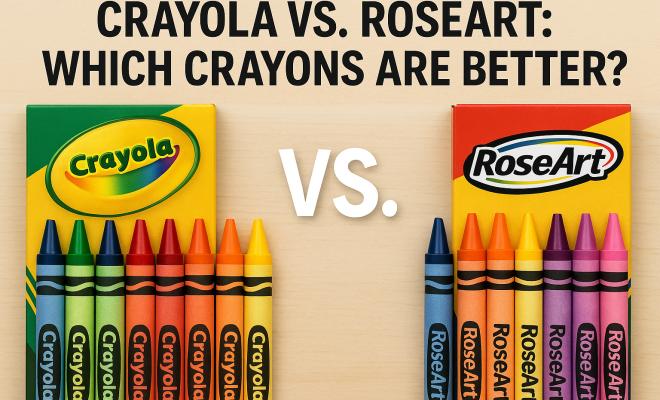
When it comes to coloring and creative expression, two brands often dominate the crayon aisle: Crayola and RoseArt. For parents, educators, and children alike, the question remains: which crayons truly reign supreme? In this comprehensive article, we will explore the history, quality, color range, safety, price, and user preferences surrounding Crayola and RoseArt crayons in order to determine which brand is better suited for your artistic needs. Let’s dive into the details of this colorful competition.
1. A Brief History of Crayola
Crayola was founded in 1885 by Edwin Binney and C. Harold Smith, originally under the name Binney & Smith. The brand’s first product was a box of eight crayons that were made from a mixture of paraffin wax and color pigments. This simple yet innovative product quickly gained popularity, and in 1903, the company adopted the Crayola name. Today, Crayola is synonymous with creativity and expression, offering a vast array of products that go beyond crayons alone, including markers, colored pencils, and art supplies.
Crayola’s commitment to quality and innovation has allowed it to evolve over the years. The brand has introduced numerous crayon formulas, including washable crayons, glitter crayons, and even crayons that change color. Each new product line is designed to meet the needs of young artists while ensuring that the crayons remain safe for use by children.
2. RoseArt: The Underdog Story
Founded in 1946, RoseArt began as a small art supply company. It was later acquired by the larger toy company, Hasbro, in 1996. RoseArt crayons are often seen as a more budget-friendly alternative to Crayola. While the brand may not have the same level of recognition, it has carved out a space in the market by offering a variety of crayons and art supplies at lower price points.
Despite being perceived as the underdog, RoseArt has focused on creating crayons that appeal to parents looking for affordable options. They also offer specific product lines, such as washable crayons and glitter crayons, to compete with Crayola’s extensive catalog. Understanding RoseArt’s position in the market helps shed light on the ongoing Crayola vs RoseArt crayons debate.
3. Quality of Crayons
When discussing Crayola vs RoseArt crayons, one of the first aspects to consider is the quality. Crayola crayons are known for their rich pigmentation and smooth application. The formula used allows for vibrant colors that glide effortlessly across the page, making them a favorite among young artists. Additionally, Crayola crayons are designed to be break-resistant, which is a significant advantage when it comes to preventing waste and frustration during creative play.
On the other hand, RoseArt crayons tend to be softer, which can lead to faster wear and breakage. While they still offer a decent color payoff, the experience may not be as smooth as with Crayola. Some users report that RoseArt crayons can be more prone to melting in warm temperatures. Understanding these differences in quality can help parents and educators make informed decisions about which brand to choose for their children.
4. Color Range and Variety
Another significant factor in the Crayola vs RoseArt crayons debate is the color range and variety each brand provides. Crayola boasts a massive selection of crayon colors, often exceeding 120 shades in their standard packs. From classic colors to whimsical shades like “Outer Space” and “Electric Lime,” Crayola’s extensive palette allows for endless creative possibilities.
RoseArt, while offering a respectable selection, typically has fewer colors in their boxes compared to Crayola. The brand does provide themed sets, which can be appealing for specific projects or seasonal crafts, but the overall variety tends to be more limited. This may impact creative expression, especially for older children who enjoy experimenting with color combinations.
5. Safety and Non-Toxicity
Safety is a critical consideration for parents when selecting art supplies for their children. Both Crayola and RoseArt prioritize non-toxic materials in their crayon production, ensuring that their products are safe for kids to use. Crayola crayons are AP-certified (Approved Product) by the Art and Creative Materials Institute, which guarantees they meet strict safety standards.
RoseArt also emphasizes non-toxicity and ensures that their products comply with safety regulations. However, there have been occasional recalls of specific products due to concerns about safety. While these issues are not widespread, they highlight the importance of staying informed about the brands you choose. Regardless of the brand, always check the packaging for safety certifications to provide peace of mind. (See: Crayola history and products.)
6. Price Comparison
Price can often be a deciding factor in the Crayola vs RoseArt crayons debate. Crayola crayons are generally priced higher than RoseArt, reflecting their brand reputation and quality. A typical box of Crayola crayons ranges from $3.00 to $10.00 depending on the size and special features, while RoseArt crayons often retail for $2.00 to $5.00, making them a more budget-friendly option.
While the lower price tag may be appealing, it’s essential to consider the quality and longevity of the crayons. Investing in a higher-quality product may save money in the long run due to reduced breakage and better performance. Ultimately, you should weigh the price against the features and quality that matter most to you and your child.
7. User Preference and Reviews
To gain insight into the Crayola vs RoseArt crayons debate, it’s essential to look at user preferences and reviews. Many parents and educators consistently praise Crayola for its vibrant colors, durability, and overall performance. Children often express excitement when using Crayola crayons, as they enjoy the smooth application and the variety of colors available.
Conversely, RoseArt has a loyal following, particularly among those who appreciate the affordability. Some users report that RoseArt crayons are sufficient for casual coloring and crafts, though they may not hold up as well in comparison to Crayola. Online reviews often highlight the differences in durability and color richness, giving potential buyers valuable insights into what to expect.
8. Which Brand is Right for You?
So, after examining the various aspects of Crayola vs RoseArt crayons, which brand is the right choice for you? If budget constraints are a primary concern and you’re looking for something adequate for casual use, RoseArt can be a suitable option. Their crayons are affordable and can serve the needs of younger children who are just starting to explore their creativity.
However, if you prioritize quality, durability, and a vast color range, Crayola is the brand to choose. Their crayons are designed for a superior coloring experience and often deliver better results in terms of color richness and longevity. For budding artists or serious crafters, the extra investment in Crayola crayons may be worth it.
9. Final Thoughts on Crayola vs RoseArt Crayons
Ultimately, the decision between Crayola and RoseArt crayons comes down to personal preference, budget, and specific needs. Both brands have their strengths and weaknesses, and understanding these can guide you in making the best choice for your creative endeavors. Whether your child is doodling at home, working on school projects, or attending art classes, having the right crayons can make all the difference in fostering their artistic spirit.
10. Expert Perspectives on Crayon Use in Education
Experts in child development and education often weigh in on the choice between Crayola and RoseArt crayons. Many educators advocate for using high-quality materials to enhance the learning experience. According to Dr. Karen Brown, an art education specialist, “The quality of art supplies can significantly impact a child’s ability to express themselves. A crayon that glides smoothly can encourage more exploration and creativity.” This underscores the importance of choosing crayons that complement children’s artistic capabilities.
Moreover, educators also emphasize the role of color in cognitive development. The vibrant hues of Crayola crayons can stimulate visual learning and inspire imaginative thinking. For instance, teachers have noted that children are more inclined to engage in creative projects when provided with a broader spectrum of colors, which is more readily available with Crayola’s extensive range.
11. Environmental Considerations
In today’s eco-conscious world, many consumers are becoming increasingly aware of the environmental impact of their purchases. Crayola has taken steps towards sustainability by introducing products made with recycled materials and implementing eco-friendly practices in their manufacturing processes. For instance, Crayola recently announced the use of 75% recycled plastic in their new crayon boxes, which reflects a commitment to reducing plastic waste.
In contrast, RoseArt has also made strides in sustainability, highlighting their efforts to use environmentally friendly materials. However, their environmental practices may not be as well-publicized as Crayola’s, which can make it challenging for consumers to gauge their commitment to eco-friendliness. If sustainability is a significant factor in your purchasing decision, researching each brand’s environmental practices may provide additional insight.
12. Fun Facts About Crayons
Crayons, regardless of the brand, have fascinating histories and cultural significance. Did you know that the word “crayon” comes from the French word “craie,” which means chalk? This reflects the crayon’s roots in traditional drawing materials. Additionally, Crayola produces nearly 3 billion crayons each year, enough to color the world with countless creations!
Another interesting aspect of crayons is their use in art therapy. Art therapists often utilize crayons in sessions because they are easy to manipulate and can be less intimidating than other art supplies. This accessibility makes crayons a popular choice for expressive creativity among both children and adults. (See: safety of art supplies for children.)
13. Frequently Asked Questions (FAQ)
1. Are Crayola crayons better than RoseArt crayons?
This largely depends on personal preference and intended use. Crayola is often preferred for its quality, color range, and durability, while RoseArt is favored for its affordability.
2. Can RoseArt crayons be used in the same projects as Crayola crayons?
Yes, both brands can be used interchangeably in most projects. However, the results may vary in terms of color richness and application smoothness.
3. Do both brands offer eco-friendly options?
Crayola has made strides in sustainability by introducing recycled materials in their products. RoseArt also emphasizes environmental responsibility but may not have as extensive a range of eco-friendly products yet.
4. What age group is best suited for each brand?
Both brands cater to a wide range of ages. Crayola crayons are often recommended for serious young artists or school projects, while RoseArt can be suitable for young children exploring creativity without heavy financial investment.
5. How do I properly store crayons to prevent breakage?
To avoid breakage, store crayons in a cool, dry place, away from direct sunlight. Placing them in a sturdy box or a crayon organizer can also help keep them secure.
6. What are some creative activities that use crayons?
Crayons can be used in various activities, such as coloring books, DIY greeting cards, melting art, and even as a medium for rubbings. Their versatility makes them a staple in many creative projects.
7. Are there any safety concerns with using crayons?
Both Crayola and RoseArt crayons are non-toxic and safe for children. However, parents should always supervise younger children to ensure they use crayons safely.
8. How do I clean up crayon marks from surfaces?
Most crayon marks can be cleaned using a damp cloth, baby wipes, or a mixture of vinegar and water. For tougher stains, rubbing alcohol or commercial cleaning products may be necessary, but always test a small area first.
14. Comparative Insights: Crayola vs RoseArt Crayons
Looking at both brands side-by-side can provide additional clarity for consumers. Crayola’s strength lies in its heritage and consistency in quality. The brand has been a staple in childhood creativity for generations, and parents often have nostalgic ties to Crayola products from their own childhoods.
On the other hand, RoseArt appeals to budget-conscious consumers who may prioritize cost over brand allegiance. Despite its reputation as a value brand, RoseArt has made significant efforts to improve its product quality over the years, making it a viable option for casual users. (See: importance of art supplies for children.)
When comparing the two, consider your child’s needs and how often they engage in art activities. For frequent use, Crayola is likely to provide a more fulfilling experience, while RoseArt can perform well for less intensive projects.
15. Additional User Reviews and Experiences
User experiences can be quite telling when it comes to choosing between Crayola and RoseArt crayons. Many parents report that their children often prefer Crayola crayons, noting that the colors appear brighter and the crayons last longer. One parent mentioned, “My kids love Crayola crayons! They say they color better and are easier to use, especially when they are trying to blend colors.”
Conversely, some parents appreciate RoseArt for specific contexts. For instance, during arts and crafts sessions at home where mess and breakage are less of a concern, RoseArt’s affordability allows for more generous use without worrying about running out of crayons. As one user shared, “We buy RoseArt for our coloring parties because it’s easy to give each child a full box without breaking the bank.”
16. Trends in Crayon Use and Innovation
The crayon industry is evolving, with both Crayola and RoseArt investing in new technologies and trends in art supplies. Crayola has led the way in innovation, introducing products like the Crayola Color Wonder line, which allows children to color without the worry of making a mess on surfaces. This innovation has garnered positive attention from parents who want to minimize cleanup while still encouraging creativity.
RoseArt is also stepping up its game, with recent launches featuring dual-ended crayons that offer different textures on each end. This kind of innovation is aimed at fostering creativity in children while providing them with versatile tools for their artistic expression.
In an age where digital art is becoming increasingly popular, both brands are also exploring ways to integrate traditional art supplies with digital platforms, allowing children to transition seamlessly between physical and digital art forms.
17. Final Recommendations
If you’re still on the fence about which brand to choose, consider what’s most important for your child’s artistic journey. If your child is a budding artist who loves to experiment with colors and techniques, investing in Crayola is likely the better choice. The quality, variety, and durability of Crayola crayons can enhance your child’s creative experience.
However, if your focus is on affordability and you are looking for crayons that are suitable for light use—like casual coloring at home or classroom projects—RoseArt may meet your needs effectively. Assessing your child’s coloring habits and the context in which they will be using the crayons can guide you in making the best decision.