Best Robotics Kits for Students
“`html
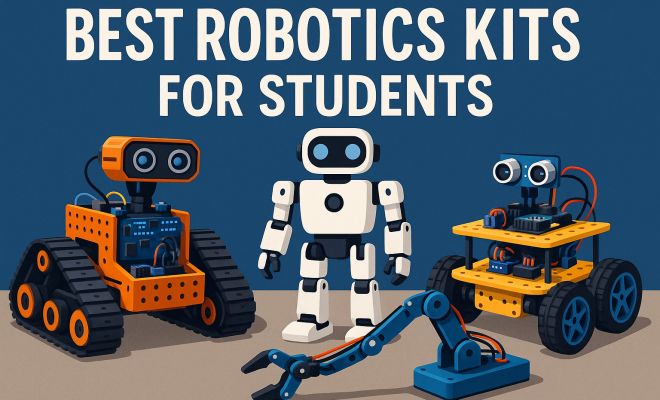
Robotics is an exciting field that integrates science, technology, engineering, and mathematics (STEM), making it an ideal avenue for students to explore these crucial disciplines. As the demand for technological know-how continues to soar in today’s world, robotics kits for students serve as an excellent starting point for hands-on learning experiences. They help foster creativity, problem-solving skills, and critical thinking while providing the foundational concepts necessary for understanding robotics and programming. In this article, we’ll explore the top nine robotics kits designed for students, showcasing their features, benefits, and unique selling points.
1. Lego Mindstorms EV3: A Classic for Young Innovators
For many, Lego is synonymous with creativity. The Lego Mindstorms EV3 kit takes this creativity to new heights by combining traditional Lego building with robotics programming. This kit allows students to construct and program their robots using the intuitive Mindstorms software, which employs a block-based coding language. (exploring robotics in education)
One of the standout features of the EV3 kit is its versatility. Students can build multiple robot types, such as a walking robot or a robotic animal, which encourages exploration and experimentation. With over 550 pieces, including motors, sensors, and a programmable brick, the kit inspires creativity and allows for endless possibilities in design. Many educators utilize the EV3 kit to teach programming concepts and engineering principles, making it a staple in many classrooms.
2. VEX Robotics V5: From Classroom to Competition
The VEX Robotics V5 kit is tailored for students who are serious about robotics, especially those interested in competitive environments. VEX offers a robust platform with a wide variety of components, including motors, sensors, and structural elements. The V5 kits are designed to encourage teamwork and collaboration, often used in robotics competitions like the VEX Robotics Competition.
The kit is programmable using VEXcode, a user-friendly interface that utilizes block coding for beginners and switches to C++ for advanced users. This flexibility is essential in accommodating a broad range of skill levels. Furthermore, VEX Robotics emphasizes real-world applications, allowing students to engage in problem-solving and engineering challenges that mimic those found in industry settings.
3. Makeblock mBot: Learning Through Play
Makeblock mBot is an entry-level robotics kit perfect for younger students or absolute beginners. It includes everything needed to get started, such as a programmable robot, various sensors, and a graphical programming interface based on Scratch. The mBot’s design is simple, yet it allows students to grasp essential programming and robotics principles quickly.
The kit comes with engaging tutorials and projects that guide students through the building and programming processes, making learning fun and interactive. The mBot can be controlled via an app on smartphones or tablets, enhancing its appeal and accessibility. Furthermore, the kit is highly customizable, allowing students to modify their robots and develop unique features, fostering creativity and innovation. (record high T Level results)
4. Thames & Kosmos Robotics: Smart Machines: Hands-On Engineering
The Thames & Kosmos Robotics: Smart Machines kit is designed to introduce students to the principles of engineering and robotics through hands-on building and programming. This kit allows students to create various robots capable of completing different tasks, such as moving, lifting, or navigating obstacles.
One of its unique elements is the inclusion of a programming console with a customizable user interface, enabling students to learn how to code while seeing real-time results. The kit’s comprehensive manual provides detailed instructions and examples, which are excellent for guided learning sessions. Also, it encourages teamwork as students can collaborate on projects, reinforcing social skills along with technical knowledge. (See: Overview of robotics field.)
5. Ozobot Bit: Small Robot, Big Learning
Ozobot Bit is a pint-sized robot that introduces students to fundamental programming concepts through line-following and color coding. This easy-to-use robot doesn’t require a computer for programming; instead, students can create paths using color markers on paper, teaching them how to write simple commands using color sequences.
The Bit is portable and can engage students both in the classroom and at home, making it an excellent tool for individual or group learning. There are also software applications available that allow students to program their Ozobot using block-based coding on tablets or computers. With its engaging, hands-on approach, Ozobot Bit is particularly appealing to younger students, helping them explore coding in a fun and interactive way.
6. Arduino Starter Kit: The Building Blocks of Robotics
For students ready to dive deeper into electronics and programming, the Arduino Starter Kit is an excellent choice. This kit offers a wide array of components, including sensors, actuators, and an Arduino board, along with a detailed project book that guides learners through building 15 different projects.
Arduino is known for its open-source platform, which enables students to write their code and experiment. This hands-on approach is pivotal for developing critical thinking and problem-solving skills. Students can eventually integrate Arduino with other robotics kits for even more complex projects, making it a valuable addition to anyone’s educational toolkit.
7. Snap Circuits Robotics: Learning Electronics the Fun Way
The Snap Circuits Robotics kit offers a unique approach to robotics education by combining electronics with robotics. This kit allows students to build various projects using snap-together components, making it incredibly easy to assemble circuits without soldering or wiring.
What sets Snap Circuits apart is its focus on interactive learning. Students can create robots that respond to their environment, integrating fun features like sound and light. The kit includes a comprehensive guide that encourages experimentation and creativity, allowing students to explore different configurations and develop their understanding of how robotics function. This hands-on approach makes it perfect for younger students interested in science and engineering.
8. Botley the Coding Robot: Coding Without Screens
Botley the Coding Robot is designed for early learners and provides a screen-free introduction to coding. This charming robot teaches basic coding concepts through physical interaction, allowing students to program Botley to perform various tasks using a remote-like controller.
This tactile experience is ideal for younger students as it helps build foundational skills without the distractions of screens. Botley features obstacle detection and can respond to various commands, making learning engaging and interactive. The kit encourages critical thinking and problem-solving as students learn to plan and execute their command sequences. Botley’s approach to coding is refreshing, making complex concepts accessible to young minds. This builds on technologies enhancing STEM learning.
9. Cubelets Robot Blocks: Modular Robotics for All Ages
Cubelets are modular robot blocks that allow students to create robots easily by snapping different blocks together. Each block has a specific function, such as sensing, acting, or thinking, which students can combine to build unique robotic creations.
This kit is particularly appealing because it requires no prior programming knowledge. Students learn about robotics by experimenting with the physical blocks, making it an excellent introduction to engineering and robotics principles. The modular nature of Cubelets encourages creativity and innovation, as students can continuously modify and improve their designs. Additionally, it promotes collaboration, as students can work together to build and share their robots. (See: NASA's educational robotics resources.)
Benefits of Robotics Kits for Students
Robotics kits for students offer numerous benefits that extend well beyond merely learning about technology. Here are some of the key advantages:
- Engagement: Robotics kits often use gamified learning approaches, which keep students engaged. The hands-on nature of these kits encourages students to participate actively in their learning.
- Problem-Solving Skills: Working with robotics requires students to troubleshoot problems, think critically, and come up with creative solutions. These skills are invaluable in any future career path.
- Collaboration: Many robotics kits encourage teamwork, requiring students to work together to complete projects or participate in competitions. This builds essential communication and collaboration skills.
- STEM Learning: Robotics inherently incorporates principles from science, technology, engineering, and mathematics, helping students grasp complex concepts in a tangible way.
- Career Preparation: As technology continues to evolve, experience with robotics prepares students for careers in various fields such as engineering, programming, and technology.
Choosing the Right Robotics Kit
When selecting a robotics kit for students, consider the following factors to ensure it aligns with the students’ needs and skill levels:
- Age Appropriateness: Kits vary significantly in complexity. Ensure the kit matches the age and skill level of the students to maximize engagement and learning.
- Learning Objectives: Determine what skills or concepts you aim to teach. Some kits focus on coding, while others emphasize engineering or electronics.
- Support and Resources: Look for kits that come with robust support materials, such as tutorials, lesson plans, or community forums. This can greatly enhance the learning experience.
- Budget: Consider the budget available for purchasing the kits. While some kits are more expensive, they may offer features or longevity that justify the price.
- Customization Options: Kits that allow for customization can encourage creativity, enabling students to modify their creations and explore further.
Statistics on Robotics in Education
The adoption of robotics in educational settings has seen significant growth in recent years. Here are some noteworthy statistics:
- According to a survey conducted by the International Society for Technology in Education (ISTE), over 60% of teachers reported that they have integrated robotics or coding into their classrooms.
- An estimated 80% of jobs in the next decade will require some form of technology skills, which makes robotics education essential for preparing students for future careers.
- Research by the Massachusetts Institute of Technology (MIT) indicates that students who engage with robotics demonstrate a 30% improvement in problem-solving and critical thinking skills compared to their peers who do not.
Expert Perspectives on Robotics in Education
Industry experts emphasize the importance of robotics education in developing the next generation of innovators. Dr. Jenna Lee, an educational technologist, states, “Robotics is not just about building robots; it’s about teaching students how to think like engineers. It develops a mindset of innovation and resilience.”
Similarly, Professor Mark Patel, a robotics researcher, comments, “Integrating robotics into education helps demystify technology. Students who may have previously felt intimidated by STEM subjects often find a new sense of confidence when they work with robotics.”
Frequently Asked Questions about Robotics Kits for Students
1. What age group are robotics kits suitable for?
Robotics kits can cater to a wide range of age groups. Some kits are designed specifically for young children (ages 5-8), while others are more suited for middle or high school students (ages 9-18). Always check the recommended age on the packaging or product description. For more on this, see encouraging kids to build robots.
2. Do I need prior experience to help my child with robotics kits?
No prior experience is necessary! Many robotics kits come with beginner-friendly instructions and resources. As a parent or educator, you can learn alongside your child, fostering a collaborative learning environment.
3. Are robotics kits customizable?
Many robotics kits offer a variety of components and programming options that allow for customization. This can include adding sensors, changing designs, or modifying the programming. Check the kit’s specifications to see what customization options are available. (See: Scientific research on robotics.)
4. How can robotics kits enhance learning in other subjects?
Robotics kits can enhance learning across various subjects by incorporating math, science, and technology principles into hands-on projects. For example, building a robot requires mathematical calculations for measurements and programming, while concepts of physics come into play when understanding movement and force.
5. What are some examples of robotics competitions for students?
There are many robotics competitions for students, such as the VEX Robotics Competition, FIRST Robotics Competition, and RoboCup. These competitions encourage teamwork, innovation, and real-world problem-solving, providing students with valuable experiences. See also engaging girls in STEM subjects.
Future Trends in Robotics Education
The field of robotics education is continuously evolving. Here are some trends to watch for:
- Increased Integration of AI: As artificial intelligence (AI) becomes more prevalent, educational robotics kits are likely to incorporate AI elements, allowing students to explore more complex programming and machine learning concepts.
- Online Learning Platforms: With the rise of online education, many robotics kits now offer virtual lessons and remote workshops, making it easier for students to learn from home.
- Focus on Interdisciplinary Learning: Future robotics kits will likely emphasize interdisciplinary approaches, integrating art, design, and social studies with technology to create well-rounded educational experiences.
- Sustainability and Eco-friendly Robotics: As environmental concerns grow, more kits may focus on sustainable practices, teaching students how to create eco-friendly technologies.
Real-World Applications of Robotics Education
Robotics education isn’t just about learning to build or program a robot—it’s about preparing students for a future where automation and robotics will play significant roles in various industries. Here are a few examples of real-world applications:
- Healthcare: Robotics kits can help students understand how robotic surgery systems work, paving the way for future careers in medical technology and healthcare robotics.
- Manufacturing: Students learning about robotics can gain insights into automation, and how robots are used on assembly lines, enhancing efficiency and safety in manufacturing processes.
- Agriculture: Robotics in agriculture includes drones for crop monitoring and robotic systems for planting and harvesting. Teaching students about these technologies inspires innovation in sustainable farming practices.
- Space Exploration: Robotics is crucial in space exploration. Students can learn how rovers and drones are used in missions to other planets, sparking interest in aerospace engineering and space sciences.
The Importance of Diversity in Robotics Education
Encouraging diversity in robotics education is essential for fostering innovation. When students from various backgrounds collaborate, they bring different perspectives and ideas to problem-solving. Programs aimed at increasing participation among underrepresented groups in STEM fields can lead to a broader range of solutions and advancements in technology. Initiatives that focus on girls in robotics or students from low-income backgrounds can help bridge these gaps, ensuring that all students have the opportunity to engage with and contribute to the growing field of robotics.
Conclusion
In summary, robotics kits for students are invaluable tools for fostering curiosity, creativity, and critical thinking. From the classic Lego Mindstorms EV3 to the innovative Cubelets Robot Blocks, these kits provide hands-on learning experiences that engage students in STEM disciplines. By exploring these various options, educators and parents can choose the best kits to inspire young minds and prepare them for a future where robotics plays an increasingly vital role in our lives.
“`
Trending Now
Frequently Asked Questions
What are the best robotics kits for students?
Some of the best robotics kits for students include Lego Mindstorms EV3, which combines building with programming, and VEX Robotics V5, designed for competitive environments. Both kits promote creativity, problem-solving, and collaboration, making them ideal for hands-on learning in STEM.
How do robotics kits help students learn?
Robotics kits help students learn by providing hands-on experiences that integrate science, technology, engineering, and mathematics (STEM). They foster critical thinking, creativity, and problem-solving skills while teaching foundational concepts in robotics and programming. This builds on top STEM careers guide.
What age group are robotics kits suitable for?
Robotics kits like Lego Mindstorms EV3 and VEX Robotics V5 are suitable for a wide range of age groups, typically starting from elementary school through high school. They cater to various skill levels, making them accessible for beginners and more advanced students alike.
Are robotics kits worth the investment for students?
Yes, robotics kits are worth the investment as they provide valuable educational experiences that enhance STEM learning. They encourage teamwork, critical thinking, and creativity, which are essential skills for future careers in technology and engineering.
What features should I look for in a robotics kit for students?
When selecting a robotics kit for students, look for features like ease of use, variety of components, programming options, and the ability to build multiple robot types. Kits that promote collaboration and are suitable for educational settings are also valuable.
What's your take on this? Share your thoughts in the comments below — we read every one.