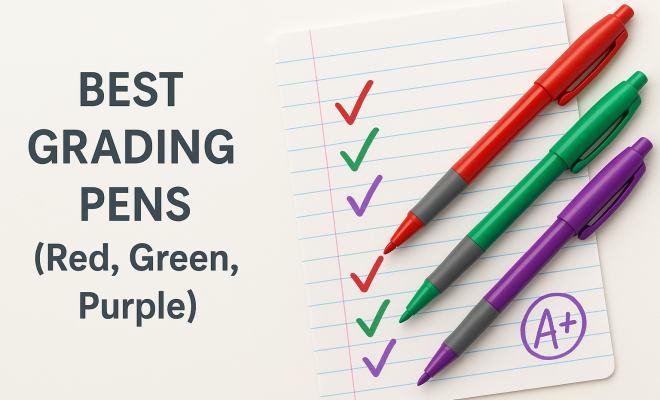
Best Grading Pens (Red, Green, Purple)
“`html
For educators, the right tools can make all the difference in the grading process. Choosing the best grading pens is crucial not just for clarity and visibility, but also for making the task of marking papers a bit more enjoyable. Whether you’re a seasoned teacher or a newbie, the color and quality of your grading pen can influence how students perceive their feedback and, in turn, their learning experience. In this article, we’ll explore seven of the best grading pens—specifically focusing on red, green, and purple options—helping you find the right fit for your classroom needs.
1. Paper Mate Flair Felt Tip Pens
First on our list is the Paper Mate Flair Felt Tip Pen, a favorite among educators thanks to its vibrant colors and smooth writing experience. Available in various colors including the traditional red, this pen is known for its felt tip that delivers consistent ink flow without bleeding through paper. The lightweight design and comfortable grip make it ideal for long grading sessions.
Teachers appreciate the fine point (0.7mm) for precise markings, such as underlining key points or circling errors on student work. The flare tip also allows for both fine and bold strokes, giving you flexibility in your grading style. It’s not just about grading; many educators also use these pens for colorful lesson planning, making them versatile tools in the classroom.
2. Sharpie S-Gel Pens
If you’re looking for a pen that offers a smooth gel experience, the Sharpie S-Gel Pens should be on your radar. While typically seen as a bold writing instrument, it comes in various colors, including striking green and purple shades. The gel ink dries quickly, which is a significant advantage when grading papers, as it reduces smudging.
These pens feature a 0.7mm tip, providing a strong line that’s easy to read. Many teachers transition to gel pens for their grading because they are less tiresome to write with over extensive grading periods. The sleek design also gives a professional appearance, making these pens suitable for both classroom and meeting environments.
3. Uni-ball Vision Elite Rollerball Pens
The Uni-ball Vision Elite Rollerball Pen is another fantastic option worth considering. Teachers who want a pen that can withstand a bit of travel will appreciate this pen’s ability to maintain consistent ink flow regardless of altitude changes—ideal for educators who travel for workshops or conferences. Available in multiple colors including red and green, these pens provide a bold line that stands out.
This pen also boasts water- and fade-resistant ink, ensuring that your comments stay legible over time. The 0.8mm tip allows for a bold and expressive writing style, which can be particularly effective when providing feedback that should stand out to students. Many teachers find that their grading feedback has a greater impact when it’s visually engaging.
4. Staedtler Triplus Fineliner Pens
For those who appreciate precision without sacrificing color vibrancy, the Staedtler Triplus Fineliner is a top contender amongst the best grading pens. Notably, these pens come in a range of colors, including purple and green, and feature a unique triangular barrel that promotes ergonomic writing. This design is essential for teachers who often spend long hours grading and providing feedback. (See: U.S. Department of Education.)
The 0.3mm tip allows for fine, detailed writing, making them perfect for annotations in student margins or small notes in the corners of pages. Teachers also appreciate that these pens are water-based, which means they are less likely to bleed through standard paper, preserving the integrity of student submissions.
5. BIC Cristal Ballpoint Pens
Sometimes, simplicity is key. The BIC Cristal Ballpoint Pen, available in vibrant red and green, has been a staple in classrooms for decades. Its classic design and reliable performance make it a go-to for educators who prefer a no-fuss approach to grading. The medium point provides a consistent ink flow, and the transparent barrel allows you to monitor ink levels easily.
What sets the BIC Cristal apart is its affordability and accessibility—these pens are readily available at most stores and often in bulk. Many teachers appreciate having a variety on hand for not only grading but also for classroom activities and student notes. Despite being an inexpensive option, the BIC Cristal does not compromise on quality, making it a safe choice for any grading arsenal.
6. Faber-Castell PITT Artist Pens
For educators looking to add a touch of artistry to their grading, the Faber-Castell PITT Artist Pen is an excellent choice. These pens are known for their rich, pigmented ink, which comes in various colors including purple and red. They’re especially favored by art teachers or those who want to infuse creativity into their feedback.
The brush tip allows for a range of line thicknesses, providing versatility in how feedback can be presented. Teachers often use these pens not only for grading but also for creative lesson planning or making displays in their classrooms. The archival quality ink is waterproof and fade-resistant, ensuring that your notes remain vibrant and intact over time.
7. Crayola Super Tips Washable Markers
Last but not least, the Crayola Super Tips Washable Markers are making their way into teachers’ grading kits. While traditionally used for art and crafts, these markers offer versatility that can be incredibly useful for grading. Available in a rainbow of colors including red, green, and purple, they can be a fun way to provide feedback to students. See also grading tips for educators.
The chisel tip allows for both fine and broad strokes, making it easy to highlight important points or create visual cues on student work. Plus, the washable ink means that it won’t permanently mark students’ papers. Teachers who incorporate these markers into their grading find that students respond positively to the colorful feedback, creating a more engaging learning experience.
Expanding the Grading Experience: The Importance of Color in Feedback
Color psychology plays a significant role in how feedback is received and interpreted by students. Red ink has long been associated with correction and criticism, leading many educators to seek alternatives that might foster a more positive learning environment. Studies suggest that colors like green and purple can reduce anxiety and encourage a more constructive dialogue about learning. For instance, using green for positive feedback and red for areas needing improvement can create a balanced approach that motivates students rather than discouraging them.
Additionally, many teachers find that using a variety of colors helps students engage more with the feedback. A study published in the Journal of Educational Psychology found that students who received multi-colored feedback were more likely to improve their performance in subsequent assignments. By incorporating different colors into grading pens, educators can create a more dynamic feedback loop that encourages students to reflect on their work. (See: The New York Times Education Section.)
Expert Insights: Recommendations from Educators
To further understand the significance of selecting the right grading pen, we reached out to several educators to hear their preferences and experiences. Many recommend the Paper Mate Flair for its versatility and vibrant ink quality. “I love how the colors pop on the page,” says Sarah, a middle school English teacher. “It makes my comments more engaging.”
On the other hand, high school math teacher Tom prefers the Uni-ball Vision Elite for its durability and consistent flow. “I travel a lot for conferences and workshops, so I need a pen that performs well, no matter where I am,” he explains. “Plus, the ink doesn’t fade, which is crucial for keeping detailed records of student progress.”
Several educators also mentioned the importance of comfort in long grading sessions. “A comfortable grip is essential,” says Lisa, a science teacher. “I can easily spend hours grading lab reports, so a pen that feels good in my hand makes a huge difference.”
Comparing Grading Pen Options: Features and Benefits
When evaluating the best grading pens, consider the following features and benefits:
- Ink Quality: Look for pens with smooth ink flow and quick drying times to minimize smudging.
- Comfort: Ergonomic designs can help reduce hand fatigue during lengthy grading sessions.
- Color Variety: Incorporating multiple colors can help distinguish different types of feedback and keep students motivated.
- Durability: Pens that last longer save you money and time, ensuring you don’t have to frequently replace them.
- Price Point: Consider both quality and affordability. Sometimes the best options are budget-friendly.
Maximizing Your Grading Efficiency
Grading can often be a time-consuming process, especially with a large number of students. To make grading more efficient, consider these strategies:
- Batch Grading: Instead of grading papers one at a time, try batch grading. Group similar assignments together to streamline your feedback process.
- Use Rubrics: Implementing grading rubrics can not only speed up the grading process but also provide clear criteria for students to understand their performance.
- Create a Comfortable Environment: Set up your grading area to be comfortable and free from distractions. This can help you focus and make the grading process less daunting.
- Set Time Limits: Give yourself a specific amount of time for grading each assignment. This can help you avoid getting bogged down in details and maintain momentum.
FAQ: Everything You Need to Know About Grading Pens
What is the best color to use for grading papers?
While red has traditionally been the go-to color for grading, many educators now prefer green or purple. These colors are less intimidating and can help create a more positive atmosphere for feedback, especially when highlighting strengths versus areas for improvement.
How do I prevent ink from bleeding through paper?
Choosing pens specifically designed for fine writing, like the Staedtler Triplus Fineliner, can help prevent ink bleeding. Also, using paper that is thicker and designed for ink will minimize this issue.
Are there environmentally friendly grading pens?
Yes, there are several brands that offer eco-friendly grading pens. Look for pens made from recycled materials or those that offer refillable ink options, reducing waste over time. (See: Harvard University Education Resources.)
How can I make grading more enjoyable?
Incorporating fun grading pens with vibrant colors can make the process more enjoyable. Additionally, setting up a comfortable workspace and taking breaks can help maintain motivation during lengthy grading sessions.
Do students respond better to colored feedback compared to black ink?
Many studies suggest that students respond positively to colored feedback, as it draws attention and makes the comments feel more engaging. The contrast of colors can also help students differentiate between types of feedback, such as praise versus constructive criticism.
Can I use the same pen for comments and grading?
While it is possible to use the same pen for both grading and general comments, many educators prefer to differentiate. Using separate colors helps students quickly identify feedback types, making it easier for them to understand their performance and areas of improvement.
What are some tips for maintaining my grading pens?
To ensure the longevity of your grading pens, store them horizontally to prevent drying out, and keep caps on when not in use. If you’re using refillable pens, make sure to replace the ink cartridges when they run low, and clean the tips regularly to maintain smooth performance.
Conclusion: Finding Your Perfect Pen
Choosing the best grading pens involves considering factors like ink quality, tip size, and comfort during prolonged use. The options listed above showcase a variety of styles and colors to fit different teaching preferences and grading needs. Whether you’re looking for a classic ballpoint, a vibrant gel pen, or a washable marker, there’s a perfect pen out there for you. The right grading pen doesn’t just make your life easier; it also enhances the educational experience for your students. So, which one will you choose to take your grading to the next level?
“`
Trending Now
- read the full story
- 2026 – 2027 Best Bachelor’s Degree Programs in Public Relations
- our breakdown of top 7 free windows rss feed readers/news aggregators
- this guide on top 5 maxwell audio products for every listener: from budget-friendly to kid-approved
- this guide on the top 10 non-coding web3 jobs you should know about
Frequently Asked Questions
What are the best grading pens for teachers?
The best grading pens for teachers include the Paper Mate Flair Felt Tip Pens and Sharpie S-Gel Pens. The Paper Mate Flair offers vibrant colors and a smooth writing experience, while Sharpie S-Gel provides quick-drying gel ink in various colors, reducing smudging during grading.
Why is the color of grading pens important?
The color of grading pens is important as it can influence how students perceive feedback. Red, green, and purple pens each serve different purposes, with red often used for corrections, while green and purple can highlight positive feedback or suggestions.
What features should I look for in grading pens?
When choosing grading pens, look for features like ink flow consistency, quick-drying ink, comfortable grip, and fine tip size. These features enhance clarity and reduce fatigue during long grading sessions.
Are gel pens good for grading papers?
Yes, gel pens are excellent for grading papers due to their smooth writing experience and quick-drying ink, which minimizes smudging. Many teachers prefer gel pens for their comfort during extensive grading.
Can I use grading pens for lesson planning?
Absolutely! Grading pens like the Paper Mate Flair are versatile and can be used for both grading and colorful lesson planning, making them a valuable tool in the classroom.
What's your take on this? Share your thoughts in the comments below — we read every one.