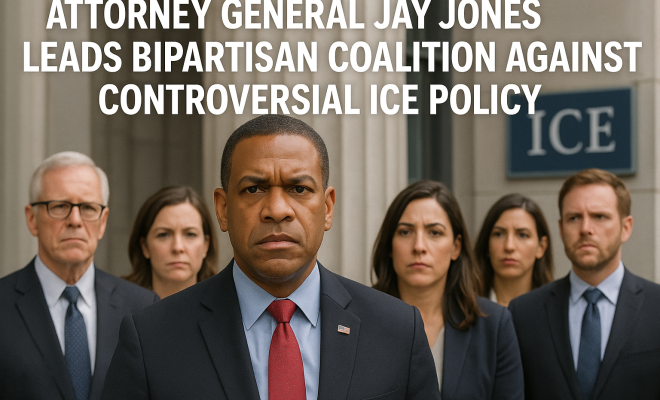
AG Jay Jones Leads Bipartisan Coalition Against New ICE Policy
“`html
On a significant legal battleground, Virginia Attorney General Jay Jones has stepped into the fray, leading a coalition of 22 attorneys general demanding the reversal of a newly instituted policy by Immigration and Customs Enforcement (ICE). This policy, announced just days ago, has ignited a fierce backlash from legal experts, civil rights advocates, and community members alike. Critics label it as not only dangerous but also unconstitutional, raising alarms about potential violations of civil liberties and government overreach. There’s a fuller look at AI solutions for e-commerce.
Understanding the New ICE Policy
ICE’s recently rolled-out policy encompasses significant shifts in its operational protocols, particularly concerning deportations and the prioritization of immigration enforcement. While the specifics of the policy remain somewhat opaque, insiders suggest it may allow for greater discretion in detaining individuals based on a wider array of criteria, including criminal records that may not involve serious offenses. This could lead to increased deportations based on minor infractions, raising concerns about the implications for immigrant communities.
The Coalition: A Unifying Force Across Political Lines
Attorney General Jay Jones isn’t standing alone in this fight. His coalition of 22 attorneys general spans across various states and represents a surprising cross-section of political ideologies. Typically, immigration policies are a heated partisan issue; however, this coalition reflects a rare moment of unity on a pressing legal concern. The diverse backgrounds of the participating attorneys general underscore the widespread apprehension regarding the implications of ICE’s policy.
The bipartisan nature of this effort provides a strategic advantage, amplifying the call for ICE to reassess its decisions. Legal experts suggest that a united front, particularly one that includes voices from both sides of the aisle, is likely to attract more media attention and public scrutiny.
Legal Implications: Constitutional Concerns
The legal ramifications of the new ICE policy are profound and multifaceted. Critics point to potential violations of the Fourth Amendment, which protects citizens against unreasonable searches and seizures. By expanding the scope of whom ICE can detain, the policy may infringe on the rights of individuals who have not committed serious crimes or who may not face any criminal charges.
Furthermore, civil rights advocates argue that the policy could exacerbate existing fears within immigrant communities, leading to a chilling effect where individuals may avoid engaging with law enforcement or seeking necessary services like healthcare or legal assistance. This, they argue, poses a threat to public safety overall.
Public Outcry: Voices from the Community
As news of the policy broke, community organizations and activists mobilized quickly to voice their opposition. Demonstrations erupted in various cities, with protestors calling for accountability and demanding that ICE prioritize community safety over aggressive enforcement tactics. The emotional weight of these demonstrations underscores the human impact of immigration policies — families fear separation, and individuals fear unjust detainment.
Among the protesters are those directly affected by ICE’s actions, highlighting stories of families torn apart by previous enforcement initiatives. Such personal narratives have fueled the fire of outrage, making it clear that this issue is not merely about policy but rather about the lives and wellbeing of countless individuals.
The Role of Social Media in Advocacy
The outrage surrounding the new ICE policy has spilled over into social media, where hashtags related to the movement have trended nationwide. Social media platforms have served as vital tools for mobilizing support, sharing stories, and pressuring lawmakers to act. The rapid dissemination of information has created a groundswell of support for Attorney General Jay Jones and his coalition.
Online campaigns have urged followers to share their experiences and to contact their representatives urging them to take a stand against the policy. The emotional charge behind these posts resonates with many users, creating a palpable sense of urgency and community solidarity.
Expert Opinions: Perspectives from Legal Scholars
Legal scholars have weighed in on the implications of the new policy, emphasizing the potential for constitutional challenges. Experts in immigration law suggest that the policy could face numerous lawsuits if it is not rescinded, pointing out that courts have historically sided with individual rights when government policies infringe upon personal freedoms.
Moreover, many legal analysts are scrutinizing the potential for judicial review of ICE’s actions, raising questions about how much leeway immigration enforcement agencies should have when it comes to detainment and deportation. These discussions are critical, as they help frame the ongoing dialogue surrounding immigration enforcement in America. (See: Social Determinants of Health.)
The Impact on Families and Communities
Perhaps the most troubling aspect of the new ICE policy is its direct impact on families. Many immigrants live in constant fear of deportation, and the recent changes have only intensified these anxieties. Families worry that minor infractions could lead to devastating consequences, forcing them apart.
Community organizations have reported an uptick in requests for support services, including legal aid and counseling, as families grapple with the emotional toll of these policies. The strain on mental health and community cohesion cannot be underestimated, as residents feel targeted by a government that appears to prioritize enforcement over protection.
Next Steps for Advocacy and Legal Action
Moving forward, the coalition spearheaded by Attorney General Jay Jones is poised for further action. Advocacy groups are calling for sustained pressure on ICE and public officials to reconsider the policy. Plans for future demonstrations, lobbying efforts, and legal challenges are already in motion.
Additionally, the coalition aims to rally public support through educational campaigns, informing citizens about their rights and how they can engage in the advocacy process. By fostering a well-informed public, they hope to build a stronger resistance against policies perceived as unjust or harmful.
The Broader Context of Immigration Policy in America
The controversy surrounding the new ICE policy is emblematic of a broader struggle over immigration policy in the United States. For decades, immigration has been a contentious subject, with policies often reflecting fluctuating political climates. The recent backlash against ICE’s decisions illustrates a growing demand for humane and just treatment of immigrants. Related reading: civil rights attorneys standing up.
As the national conversation continues to evolve, the role of coalitions like the one led by Attorney General Jay Jones becomes increasingly crucial. Advocates argue that comprehensive reform is needed, one that balances the need for security with respect for human rights.
The Potential Financial Impact of the New Policy
The financial implications of the new ICE policy extend beyond the immediate costs associated with enforcement. Communities may face increased expenditures related to legal aid, mental health services, and social support systems for those affected by deportation fears. Studies show that immigrant families contribute significantly to local economies; thus, their removal could have a ripple effect on local businesses and public services.
Additionally, local governments may incur costs related to increased law enforcement activity, as police may be forced to divert resources to assist ICE with detentions. This could strain budgets already stretched thin due to other pressing community needs.
A 2018 report from the National Immigration Forum indicated that communities with significant immigrant populations see economic growth and entrepreneurship thrive, contributing to job creation and tax revenue. Therefore, the long-term economic consequences of ICE’s policies could be detrimental to both immigrants and the broader community.
Comparative Analysis: Immigration Policies in Other States
To better understand the implications of Attorney General Jay Jones’ stance, it’s helpful to look at immigration policies in various states. For instance, California has been a leader in implementing “sanctuary” laws designed to protect undocumented immigrants from deportation. These policies focus on limiting cooperation between local law enforcement and federal immigration authorities.
In contrast, states like Texas have enacted laws that directly support ICE operations, mandating local compliance with federal immigration laws. This has led to increased tensions between communities and law enforcement in those areas, as people fear that everyday interactions could lead to deportation.
The different approaches highlight the ongoing debate about immigration enforcement and community safety. States that adopt more protective measures often see lower crime rates and stronger community relations, whereas those enforcing stricter compliance with ICE may experience heightened fear and mistrust among residents.
International Perspectives on Immigration Enforcement
Looking beyond the United States, immigration policies vary widely across the globe. Countries such as Canada have implemented more progressive immigration policies, often emphasizing the need for humanitarian considerations and immigrant integration. Their approach contrasts sharply with the punitive measures often seen in U.S. immigration policies. (See: New ICE Immigration Policy.)
For example, Australia has faced criticism for its strict border control policies, which have led to significant human rights concerns. In contrast, nations like Sweden prioritize welcoming refugees and providing them with resources to settle and integrate into society. These international examples shed light on how immigration enforcement can be handled in ways that uphold human dignity while maintaining national security.
Frequently Asked Questions (FAQ)
What is the main goal of the coalition led by Attorney General Jay Jones?
The coalition’s primary goal is to reverse the new ICE policy, which they believe poses a threat to civil liberties and community safety. They aim to advocate for policies that prioritize humane treatment of immigrants.
How can individuals get involved in advocacy against ICE’s new policy?
Individuals can participate by joining local advocacy groups, attending demonstrations, contacting their elected officials, and spreading awareness on social media about the implications of the policy.
What are the potential consequences of the new ICE policy on local communities?
The policy could lead to increased deportations, heightened fear within immigrant communities, and a breakdown of trust between residents and law enforcement, ultimately impacting community safety and cohesion.
Are there legal challenges anticipated against the new ICE policy?
Yes, legal experts believe that numerous lawsuits could arise if the policy is not rescinded. These challenges may focus on potential violations of constitutional rights, particularly regarding unlawful detentions.
How does the new policy intersect with public health and safety?
As immigrant communities become fearful of deportation, they may avoid seeking medical care or reporting crimes to authorities, which could lead to public health and safety issues for everyone in those communities.
What has been the reaction from immigrant communities regarding this policy?
Immigrant communities have expressed fear and anxiety over the policy, with many concerned about the potential for increased deportations based on minor infractions. There are widespread calls for protection and reform.
Grassroots Movements and Local Advocacy
In response to the new ICE policy, grassroots movements have emerged across the country, uniting various community members and organizations. These groups are often composed of volunteers, activists, and local leaders who want to ensure that immigrant rights are protected. Through door-to-door campaigns, town hall meetings, and community forums, they are educating their neighbors about the implications of the policy and mobilizing individuals to take action.
Local advocacy strategies are often tailored to the specific needs of each community. For instance, in areas with large immigrant populations, groups may offer workshops on legal rights, how to respond to ICE encounters, and available support services. This proactive approach aims to empower individuals and families, ensuring they are equipped to navigate an environment that feels increasingly hostile.
The Role of Faith-Based Organizations
Faith-based organizations have also played a significant role in resisting the new ICE policy. Many religious leaders and congregations have voiced their opposition, citing moral obligations to protect the vulnerable. Churches, synagogues, and mosques have become safe havens for immigrants facing deportation. They offer sanctuary and support, helping to create a sense of safety amidst the fear the new policy incites.
These organizations often partner with legal aid groups to provide comprehensive assistance, combining spiritual support with practical legal resources. Their involvement underscores the intersection of faith, social justice, and immigrant rights, highlighting how deeply held values can inspire action within communities.
The Psychological Toll of Immigration Enforcement
The psychological impact of the new ICE policy cannot be overstated. Many immigrants live in a constant state of anxiety and fear, knowing that even minor legal infractions could trigger deportation. This ongoing stress has been linked to various mental health issues, including depression, anxiety disorders, and post-traumatic stress disorder (PTSD).
Community organizations report an increase in demand for mental health services, as individuals grapple with the emotional burden of living under the threat of deportation. Support groups and counseling services are essential in providing a space for individuals to process their feelings and seek help in a supportive environment. The mental health effects extend not only to immigrants but also to their families and communities, highlighting the pervasive impact of immigration enforcement policies.
Historical Context of Immigration Policies
To truly understand the implications of the new ICE policy, it’s essential to consider the historical context of immigration enforcement in the United States. Over the years, immigration policies have shifted dramatically, often influenced by prevailing political attitudes and societal fears. Past policies have oscillated between periods of inclusion and exclusion, reflecting the complex relationship between the U.S. and its immigrant population.
For example, the Chinese Exclusion Act of 1882 marked one of the first significant legislative acts aimed at barring a specific ethnic group from entering the country. Fast forward to the 1980s and 1990s, the U.S. saw a surge in immigration reform and the introduction of policies aimed at regularizing undocumented immigrants. Each era of policy change has been accompanied by public debate and protest, illustrating that the fight for immigrant rights is not new but a continuation of historical struggles.
Future of Immigration Policy: Looking Ahead
As the coalition led by Attorney General Jay Jones continues to challenge the new ICE policy, the future of immigration policy remains uncertain. Experts warn that without substantial changes and a shift in public perception, we may see even more restrictive measures introduced. The current climate indicates that the conversation around immigration will remain heated, with community members, advocates, and policymakers needing to stay vigilant and engaged.
Looking ahead, it’s crucial for advocacy groups to not only fight against harmful policies but also to promote comprehensive immigration reform that addresses the root causes of migration. By advocating for solutions that consider humanitarian needs and economic contributions, there is potential to reshape the narrative around immigration in the U.S.
Conclusion: The Fight for Justice and Accountability
The call to action from Attorney General Jay Jones and his coalition is not just about reversing a single policy but about standing up for the rights of millions of individuals who fear for their lives and liberty under an increasingly aggressive immigration enforcement regime. The courage shown by these attorneys general in confronting ICE is commendable and necessary as we navigate the complex landscape of immigration rights in America.
In light of these developments, staying informed and engaged has never been more vital. Whether through advocacy, education, or simply by sharing information, each of us has a role to play in shaping the future of immigration policy and ensuring that our country upholds the values of justice, equality, and human dignity.
“`
Trending Now
Frequently Asked Questions
What is the new ICE policy that Attorney General Jay Jones is opposing?
The new ICE policy introduces significant changes to deportation protocols and prioritizes immigration enforcement, potentially allowing detentions based on a broader range of criteria, including minor criminal records. Critics argue this could lead to increased deportations and violations of civil liberties.
Who is in the coalition against the ICE policy led by Jay Jones?
Attorney General Jay Jones leads a bipartisan coalition of 22 attorneys general from various states. This diverse group reflects a rare unity across political lines, united in their opposition to the controversial ICE policy and its potential implications for immigrant communities.
Why is the new ICE policy considered unconstitutional?
Critics, including legal experts and civil rights advocates, argue that the new ICE policy may violate constitutional protections by allowing for increased detentions and deportations based on minor offenses, which raises concerns about government overreach and the infringement of civil liberties.
What impact could this coalition have on ICE's policy?
The bipartisan coalition led by Jay Jones aims to amplify calls for ICE to reassess its policy. By presenting a united front from both political sides, the coalition seeks to draw greater media attention and public scrutiny, potentially influencing policy changes.
How does the bipartisan nature of the coalition affect its effectiveness?
The bipartisan nature of the coalition enhances its effectiveness by showcasing a collective concern across political ideologies. This unity is likely to attract more media attention and public discourse, increasing pressure on ICE to reconsider its controversial policy.
What's your take on this? Share your thoughts in the comments below — we read every one.