Gaze Into a Black Hole: Smithsonian’s ‘Starstruck’ VR Exhibit 2026
“`html
Imagine floating through the vastness of space, drifting past dying stars and gazing into the enigmatic depths of a black hole—all without leaving your earthly surroundings. This is precisely what the Smithsonian’s new ‘Starstruck’ VR space exhibit offers to its visitors. Launched in May 2026 in Washington, D.C., this immersive experience is generating a buzz like no other, attracting both astronomy enthusiasts and casual tourists eager for a unique adventure. For just $18 per person, you can embark on a 40-minute virtual reality journey that brings the wonders of the universe right before your eyes.
1. The Allure of the Unknown: Why a Black Hole?
Black holes have long captivated the human imagination, often seen as the ultimate frontier of science and mystery. These regions in space possess gravitational pulls so strong that nothing—not even light—can escape them. For many, the thought of a black hole evokes a sense of fear and curiosity. The Smithsonian’s decision to center its VR space exhibit around this concept is not just a marketing tactic; it taps into something primal within us. The exhibit allows visitors to confront this fear in a safe environment, transforming an object typically associated with dread into a source of fascination.
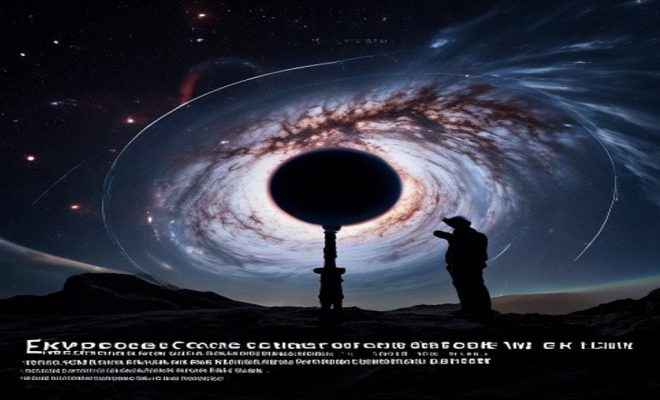
By simulating the experience of gazing into a black hole, the exhibit challenges our perceptions of space and time. Visitors can witness the swirling accretion disks and the event horizon, the point of no return. This immersive experience transforms abstract scientific concepts into a tangible reality, igniting curiosity and encouraging visitors to explore further. (the cosmic giant's awakening)
2. Walking Through Space: The Experience Unveiled
When you step into the ‘Starstruck’ exhibit, you’re not merely observing from a distance; you’re walking through a meticulously crafted virtual cosmos. The 40-minute journey begins with a breathtaking overview of the universe, showcasing celestial bodies in stunning detail. Visitors can look around, move through different star systems, and feel as if they are truly part of the universe’s grand narrative.
The experience is powered by cutting-edge VR technology, which creates a fully immersive atmosphere. As you drift past vibrant nebulae and dying stars, the sound design adds another layer of realism, enveloping you in the cosmic symphony of the universe. This isn’t just a passive viewing experience; it’s an interactive adventure that invites participants to engage with the cosmos in ways previously thought impossible.
3. The Price of Adventure: Accessibility and Value
In a world where many immersive experiences come with hefty price tags, the Starstruck exhibit stands out for its affordability. Tickets range from $29 to $35, depending on the time of day and whether you’re attending a solo session or bringing along friends and family. For only $18, visitors can enjoy a unique VR space exhibit that combines education with entertainment.
This pricing strategy makes the experience accessible to a broader audience, encouraging people from all walks of life to explore the wonders of the universe. Institutions like the Smithsonian, which often feature high-cost exhibitions, are making significant strides in providing affordable, educational, and awe-inspiring experiences for everyone.
4. Social Media Buzz: FOMO and the Power of Sharing
The rise of social media has transformed how experiences are shared and perceived. Since the launch of the ‘Starstruck’ exhibit, social media platforms have been flooded with posts from visitors showcasing their adventure through space. This wave of content is not only generating excitement but also feeding into a fear of missing out (FOMO) for those who have yet to experience it.
Posts featuring breathtaking 360-degree views of space, along with personal stories and reactions, are making the rounds online, creating a viral sensation. The hashtag #StarstruckExperience has gained traction, encouraging more people to share their experiences and inviting others to join in. This organic marketing strategy highlights the power of community and connection in today’s digital age.
5. Educational Value: Learning While Having Fun
The ‘Starstruck’ VR space exhibit is more than just a thrilling ride through space; it’s also an educational tool that can inspire a new generation of scientists, astronomers, and space enthusiasts. The exhibit combines entertainment with valuable information about the universe, its origins, and the science behind black holes.
By integrating educational content into a fun environment, the exhibit fosters a love for science among visitors. As they traverse the cosmos, they also learn about the Big Bang, the lifecycle of stars, and the mysteries of dark matter. This educational approach can spark interest in STEM (science, technology, engineering, and mathematics) fields among young visitors, inspiring future explorers of the universe. (See: Understanding black holes.)
6. Technology Behind the Experience: How It Works
The ‘Starstruck’ exhibit is powered by state-of-the-art virtual reality technology that provides a seamless experience for users. Using high-resolution VR headsets and motion tracking, the exhibit creates a realistic simulation of space. Visitors can look around and explore their surroundings, making it feel as if they are actually floating in the cosmos.
The creators behind the exhibit have meticulously designed each aspect, from the visuals to the audio, to ensure that visitors receive an authentic experience. The level of detail is astounding, with realistic rendering of celestial objects and immersive soundscapes that enhance the feeling of being in space. This technological prowess showcases what can be achieved when art and science converge.
7. The Smithsonian’s Role in Space Education: A Trusted Institution
The Smithsonian Institution has long been a leader in education and public outreach. Its commitment to fostering an appreciation of science and history makes it an ideal location for the ‘Starstruck’ exhibit. By offering this VR space experience, the Smithsonian continues its mission to educate the public about the wonders of the universe.
As one of the most respected cultural institutions in the United States, the Smithsonian attracts millions of visitors each year. The incorporation of modern technology like virtual reality not only keeps the institution relevant but also enhances its educational impact. By adapting to contemporary interests and technological advancements, the Smithsonian cements its role as a vital resource for engaging with the cosmos.
8. Visitor Experience: What to Expect
Those planning to visit the ‘Starstruck’ VR space exhibit should prepare for an unforgettable journey. Upon arrival, guests are greeted by friendly staff who provide an overview of what to expect during the experience. Groups are guided to individual VR stations, ensuring that everyone has their own space to explore.
Visitors should allocate around 40 minutes for the entire experience, including a brief introduction and time for questions at the end. It’s recommended to wear comfortable clothing and footwear, as well as to come with an open mind ready to embrace the wonders of the universe. With the option to purchase tickets in advance, guests can ensure their spot at this sought-after exhibit.
9. The Future of VR in Museums: Expanding Horizons
The success of the ‘Starstruck’ exhibit could pave the way for more VR experiences in museums and science centers around the world. As technology continues to evolve, so will the possibilities for immersive experiences that educate and entertain. Museums have an opportunity to leverage virtual reality to engage visitors in new ways, making science and history more accessible and enjoyable.
With the potential for expansion into other areas such as historical events, natural wonders, and even microscopic worlds, the realm of VR exhibits is just beginning to flourish. Institutions that embrace this innovative approach are likely to attract younger audiences looking for engaging and interactive learning opportunities. The future of museums may very well lie in their ability to create unforgettable experiences that transport visitors beyond the confines of their walls.
10. What Makes ‘Starstruck’ Stand Out?
While many immersive exhibits exist, ‘Starstruck’ sets itself apart through its unique combination of storytelling and scientific accuracy. Unlike traditional exhibits that often rely on static displays, ‘Starstruck’ invites visitors to become active participants in the narrative of the universe. The seamless integration of real scientific data with VR technology allows for an experience that feels both personal and grand.
Additionally, the exhibit collaborates with renowned astrophysicists and educators to ensure that the information presented is accurate and up-to-date. This partnership adds credibility to the experience, making it not only entertaining but also a reliable source of knowledge. Visitors leave with a deeper understanding of the universe, making it a win for education and entertainment. For more on this, see a cosmic eruption.
11. Impact on Local Tourism: A Magnet for Visitors
The introduction of the ‘Starstruck’ VR space exhibit is also having a significant impact on local tourism. Washington, D.C., known for its rich history and culture, is now attracting a new demographic of visitors interested in science and technology. The exhibit has become a must-see attraction, drawing people from neighboring states and even international tourists. We covered the cosmic volcano event in more detail.
According to recent statistics, ticket sales for the ‘Starstruck’ exhibit have contributed to a 15% increase in foot traffic at the Smithsonian over the past six months. Local businesses, from restaurants to hotels, are also benefiting from the influx of visitors. This economic boost highlights how innovative cultural attractions can drive tourism and support the local economy. (See: NASA's black hole research.)
12. Community Engagement: Expanding Beyond the Exhibit
Recognizing the importance of community engagement, the Smithsonian has also developed outreach programs linked to the ‘Starstruck’ exhibit. These programs aim to reach schools and underserved communities, providing access to VR technology and astronomy education. By partnering with local schools, the Smithsonian is creating opportunities for students to experience the wonders of space firsthand.
Workshops, field trips, and special school events are all part of this initiative, ensuring that the excitement of the exhibit reaches a broader audience. This commitment to community involvement further demonstrates the Smithsonian’s dedication to education and inclusivity.
13. Expert Opinions: Voices from the Field
Experts in the field of astronomy and VR technology have weighed in on the significance of the ‘Starstruck’ exhibit. Dr. Emily Torres, an astrophysicist at NASA, remarked, “Exhibits like ‘Starstruck’ are crucial for public engagement. They not only educate but inspire future generations to pursue careers in STEM.” Her praise reflects a growing consensus that immersive experiences can effectively communicate complex scientific concepts to a general audience.
Moreover, Dr. Mark Lanning, a VR technology specialist, stated, “The use of high-quality VR in educational contexts is revolutionary. It allows people to experience concepts that are otherwise difficult to visualize, making learning a much more dynamic process.” This insightful commentary underscores the potential of VR to transform education across disciplines.
14. Frequently Asked Questions (FAQ)
What age group is the ‘Starstruck’ exhibit suitable for?
The exhibit is designed for audiences of all ages. However, younger children may need some assistance with the VR equipment. Generally, the recommended age is 8 and above, as the concepts explored may be more engaging for older children and adults.
How long does the experience last?
The total experience lasts approximately 40 minutes. This includes an introduction, the VR journey, and a Q&A session at the end, allowing visitors to ask questions and discuss what they’ve learned.
Are there any health restrictions for participating?
Visitors with certain health conditions, such as severe motion sickness, epilepsy, or other neurological disorders, should consult with a medical professional before participating in the VR experience. The exhibit staff can provide guidance and alternative options for those who may not be able to engage with VR technology.
Can I purchase tickets online?
Yes, tickets can be purchased online through the Smithsonian’s official website. It’s recommended to buy tickets in advance, as the exhibit is quite popular and may sell out during peak times.
Will there be future VR exhibits at the Smithsonian?
While ‘Starstruck’ is the current feature, the Smithsonian has expressed interest in developing additional VR experiences in the future. Plans may include topics such as historical events, environmental science, and more, depending on visitor interest and technological advancements.
Is there a group discount available?
Yes, group rates are available for parties of 10 or more. It’s advisable to contact the Smithsonian’s visitor services for more details on pricing and booking for larger groups. (See: Scientific studies on black holes.)
What happens if I wear glasses?
Visitors who wear glasses can still enjoy the VR experience. The headsets are adjustable and designed to accommodate most eyewear. The staff on-site can assist with any necessary adjustments to ensure comfort during the experience.
Is there a gift shop related to the exhibit?
Yes, there is a gift shop where visitors can purchase souvenirs related to the ‘Starstruck’ exhibit, including educational books, toys, and memorabilia that celebrate astronomy and space exploration. Related reading: the mystery of neutrinos.
15. Expanding Accessibility: How the Exhibit Reaches Diverse Audiences
The Smithsonian has made significant efforts to ensure that the ‘Starstruck’ exhibit is accessible to diverse audiences. This includes incorporating features for individuals with disabilities, such as wheelchair access throughout the exhibit space and specialized VR equipment that accommodates various physical needs. Audio descriptions are also available for those who are visually impaired, allowing them to experience the exhibit’s content through sound. This commitment to inclusivity ensures that everyone, regardless of their physical abilities, can engage with and enjoy the wonders of the universe.
16. The Role of Partnerships: Collaborations with Educational Institutions
To enhance its outreach efforts, the Smithsonian has partnered with local schools, universities, and community organizations. These collaborations not only help to promote the ‘Starstruck’ exhibit but also facilitate educational programming that aligns with STEM curricula. By providing resources and materials, the Smithsonian ensures that students and educators can maximize their learning experience. These partnerships serve as a model for how cultural institutions can work hand-in-hand with educational bodies to inspire future generations.
17. Impact on STEM Education: Cultivating Future Scientists
The immersive nature of the ‘Starstruck’ exhibit provides a unique opportunity to cultivate interest in STEM fields among young visitors. The Smithsonian’s programs designed around the exhibit emphasize hands-on learning activities, allowing students to engage with scientific concepts actively. For example, workshops related to the exhibit might include building scale models of solar systems or conducting simple experiments that illustrate gravitational forces. These interactive experiences help demystify complex scientific principles and encourage critical thinking, ultimately fostering a generation of future scientists and innovators.
18. Expert Perspectives: Insight from Astrophysicists
In addition to Dr. Emily Torres, several other experts have shared their insights on the importance of the ‘Starstruck’ exhibit in the realm of science education. Dr. Lisa Ahmed, an astrophysicist specializing in black hole research, stated, “The ability to visualize phenomena like black holes is crucial for understanding their implications in astrophysics. Exhibits like ‘Starstruck’ take learning to a whole new level, providing tangible experiences that can profoundly affect how people perceive their relationship with the universe.” This statement illustrates the collective acknowledgment among experts of the educational value derived from such immersive experiences.
19. Global Influence: How ‘Starstruck’ Sets a Precedent
The ‘Starstruck’ exhibit is not just a standalone experience; it sets a precedent for similar initiatives worldwide. Institutions across the globe are beginning to recognize the benefits of using VR to engage audiences in science and history. From planetariums to science centers, the potential for VR to enhance storytelling and education is limitless. Reports indicate that museums in Europe and Asia are already exploring projects inspired by the success of ‘Starstruck,’ demonstrating the ripple effect of innovative educational practices in shaping global cultural experiences.
20. Conclusion: A Cosmic Adventure Awaits
The ‘Starstruck’ VR space exhibit is more than just a technological marvel; it’s a transformative experience that invites visitors to explore and appreciate the vast universe around them. With its focus on education, accessibility, and community engagement, it paves the way for future innovations in museum experiences. So whether you’re a lifelong space aficionado or a curious newcomer, the ‘Starstruck’ exhibit promises an unforgettable journey through the cosmos that will leave you inspired and eager to learn more about the mysteries of our universe.
“`
Trending Now
- our breakdown of the best apps for learning chess on your phone
- our breakdown of the best chromebook parental control apps to monitor your child’s activity
- this guide on the best podiatrist-approved toenail fungus treatments to keep your feet looking and feeling great
- The Best Scooters Our Kids Rode, Jumped With, Crashed, and Ate Snacks On
- The Best Video Sites for Kids…
Frequently Asked Questions
What is the Smithsonian's 'Starstruck' VR space exhibit?
The 'Starstruck' VR space exhibit at the Smithsonian allows visitors to experience a virtual reality journey through space, including gazing into a black hole. Launched in May 2026, the 40-minute experience costs $18 per person and aims to immerse participants in the wonders of the universe.
How much does the VR space exhibit cost?
The cost to experience the 'Starstruck' VR space exhibit is $18 per person. This ticket grants access to a 40-minute immersive journey through space, allowing visitors to explore celestial phenomena, including black holes.
What can you see in the 'Starstruck' VR exhibit?
In the 'Starstruck' VR exhibit, visitors can see a breathtaking overview of the universe, including dying stars and the intricate details of black holes, such as accretion disks and the event horizon, all while floating through a virtual cosmos.
Why are black holes featured in the VR exhibit?
Black holes are featured in the 'Starstruck' exhibit because they captivate human imagination with their mysteries and dangers. The exhibit transforms the fear associated with black holes into fascination, allowing visitors to confront and explore these cosmic phenomena safely.
How long is the experience at the 'Starstruck' exhibit?
The experience at the 'Starstruck' VR space exhibit lasts for 40 minutes. During this time, visitors embark on a virtual journey that showcases the vastness of space and the captivating phenomena within it.
What's your take on this? Share your thoughts in the comments below — we read every one.