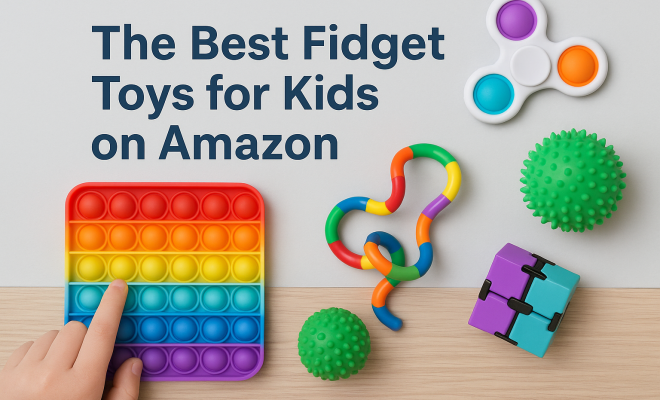
The Best Fidget Toys for Kids on Amazon
“`html
Fidget toys have emerged as a popular tool for helping children focus, relieve anxiety, and enhance sensory experiences. Available in various shapes, sizes, and materials, these toys are designed to be manipulated in hand, providing sensory stimulation that can assist with attention, relaxation, and fine motor skills. If you’re on the lookout for the best fidget toys for kids, Amazon has a plethora of options that cater to different needs and preferences. This comprehensive guide will explore nine of the best choices available, breaking down their features, benefits, and why they’re so well-loved.
1. Simple Dimple Fidget Toy
The Simple Dimple is a colorful, portable fidget toy that features several silicone bubbles that can be pressed in and out. Each press produces a satisfying popping sound, similar to bubble wrap, which many children find incredibly satisfying. The tactile feedback provided by this toy makes it an excellent choice for kids who may be seeking sensory stimulation.
This toy not only entertains but also serves as a tool for calming anxious feelings. It’s small enough to fit in a backpack or pocket, making it a convenient choice for on-the-go fidgeting. Moreover, its sturdy construction ensures it can withstand the rough and tumble of everyday use, appealing to parents who want to invest in durable options.
2. Stress Ball Set
Stress balls have long been a reliable option for fidgeting, and a stress ball set can provide a range of textures and firmness levels to suit individual preferences. These balls can help improve grip strength and are perfect for squeezing and releasing, making them an ideal outlet for excess energy or tension.
Children can use stress balls during homework, tests, or whenever they need to channel nervous energy in a constructive way. Plus, they come in various fun designs, from emoji faces to animal shapes, making them visually appealing for kids. They’re also easy to clean, which is a bonus for busy parents.
3. Fidget Spinner
Once a viral sensation, fidget spinners remain a popular choice among kids. These toys consist of a central bearing with three blades that can spin quickly and smoothly. The spinning motion is mesmerizing and can help children focus their minds, particularly when they’re feeling overwhelmed or distracted.
Fidget spinners come in various colors and styles, including light-up versions and those made from high-quality materials like ceramic and metal. They’re not just fun to play with; they can also improve hand-eye coordination and dexterity. Kids can use them in classrooms or at home, making them a versatile addition to any fidget toy collection.
4. Pop It Fidget Toy
Pop It toys have exploded in popularity, and for good reason! These colorful silicone toys feature a series of bubbles that can be popped in and out, providing a satisfying tactile experience. The repetitive action can be calming for kids and helps them focus better, especially during stressful situations.
One of the biggest appeals of Pop It toys is their variety. They come in different shapes and sizes, from simple circles to elaborate designs like unicorns and fruits. Additionally, they can be used as a game, with kids competing to see who can pop the bubbles in a certain pattern first. This not only encourages social interaction but also promotes critical thinking and strategy.
5. Magnetic Balls
Magnetic balls, or neodymium magnets, are small spheres that can be used to create intricate shapes and designs. They’re not just a fidget toy; they’re also a creative tool that encourages imaginative play. Children can build structures, shapes, and even complex designs, all while fidgeting.
These toys help improve fine motor skills and spatial awareness. However, it’s essential to supervise younger children with magnetic toys to ensure safety, as these small balls can pose a choking hazard if ingested. When used appropriately, magnetic balls can provide endless hours of engagement and learning.
6. Wacky Tracks Fidget Toy
Wacky Tracks are a twistable, colorful fidget toy that consists of interlocking pieces. Kids can bend, snap, and twist them into various shapes, which provides an outlet for fidgeting while also keeping their hands busy. The tactile nature of Wacky Tracks can help improve fine motor skills and enhance focus. (See: CDC on mental health in children.)
These toys are lightweight and easy to carry, making them suitable for both home and classroom use. Their versatility allows children to express their creativity while effectively managing anxiety or restlessness. Plus, their unique clicking sound is often a delightful bonus for kids!
7. Squishy Toys
Squishy toys come in various shapes and designs, often featuring adorable characters and fun textures. They provide a satisfying squeezable experience, perfect for relieving stress and anxiety. The soft, slow-rising materials used in squishies make them particularly appealing, and kids love to collect different designs.
Using squishy toys can help kids focus during activities like reading or homework, as the tactile sensation can promote calmness and concentration. They are also a fantastic option for sensory play, helping children explore their feelings and reactions in a safe way.
8. Fidget Cube
For kids who like to keep their hands busy, fidget cubes offer a myriad of options. Each side of the cube features a different activity, such as clicking buttons, rolling gears, and spinning dials. This multi-faceted approach provides a sensory-rich experience that can help improve focus and decrease anxiety.
Fidget cubes are small and portable, making them a great choice for school, home, or on-the-go fidgeting. They’re also discreet, which means kids can use them in quiet environments without drawing too much attention. The design encourages active engagement, making it perfect for children who benefit from tactile stimulation. classroom-friendly fidget options offers useful background here.
9. Tangle Toy
The Tangle toy is a unique fidget option that consists of interconnected pieces that twist and turn. It’s designed to be manipulated in various ways, allowing children to bend, twist, and tangle it into different shapes. This hands-on experience can help improve dexterity and provide a calming effect.
The Tangle toy is particularly beneficial for kids who find themselves fidgeting during focused tasks, such as homework or tests. It can be a great tool for teachers to incorporate into classrooms, helping students stay engaged without disrupting their peers. Its durable design ensures it can withstand constant use and exploration.
Benefits of Fidget Toys for Kids
Fidget toys are not just a passing trend; they serve multiple purposes that can greatly benefit children. Here are some key advantages:
1. Improved Focus
Many children struggle with attention, especially in environments that require long periods of concentration, like classrooms. Fidget toys can provide an outlet for excess energy, allowing kids to channel their restlessness into something productive. Studies have shown that engaging in small movements can help children concentrate better on tasks like reading, writing, or math.
2. Stress and Anxiety Relief
For kids who experience anxiety or stress, fidget toys can serve as a coping mechanism. The repetitive actions of squeezing, spinning, or popping can provide a calming effect and help ground them during moments of anxiety. Research indicates that sensory experiences can help regulate emotions, making fidget toys essential tools for emotional management.
3. Development of Fine Motor Skills
Using fidget toys can significantly enhance a child’s fine motor skills. Many toys require precise hand movements, which can improve coordination and dexterity. This can be particularly beneficial for younger children who are still developing these skills, making fidget toys a fun way to support physical development.
4. Encouragement of Social Interaction
Fidget toys can also be a social tool, allowing children to bond over shared interests. Kids can trade, show off, or even compete with their fidget toys, fostering friendships and teamwork. This social aspect is especially relevant in educational settings, as it encourages communication and collaboration among peers.
Choosing the Right Fidget Toy
When selecting the best fidget toy for your child, consider the following factors:
1. Age Appropriateness
Ensure that the toy is suitable for your child’s age. Some fidget toys may have small parts that pose a choking hazard for younger kids, so always check the age recommendations provided by the manufacturer. (See: NIH on behavioral treatment options.)
2. Sensory Preferences
Children have different sensory preferences. Some may prefer tactile sensations, while others may be visually stimulated. Understanding your child’s preferences can help you select a toy that they will truly enjoy and benefit from.
3. Durability
Kids can be tough on their toys, so look for fidget toys that are durable and can withstand daily use. Materials like silicone, plastic, and high-quality metals tend to be more resilient and less likely to break under stress.
4. Noise Level
If the fidget toy is going to be used in quieter settings, like a classroom, consider opting for a toy that doesn’t produce loud sounds. Discreet toys can be just as effective while ensuring they don’t disrupt others around them.
Frequently Asked Questions (FAQ)
1. Are fidget toys effective for all children?
Not every child will respond positively to fidget toys. However, many children, especially those with attention difficulties or anxiety, find them to be beneficial. It often takes some trial and error to find the right type of fidget toy that suits an individual child’s needs.
2. How can I introduce fidget toys to my child?
Start by explaining the purpose of fidget toys and how they can help with focus and stress relief. Allow your child to choose a toy that appeals to them, and encourage them to use it during times when they feel restless or anxious. Make it a positive experience by joining in the fun with them. Related reading: favorite perks for teachers.
3. Can fidget toys be used in class?
Yes, many teachers are supportive of fidget toys in the classroom as long as they don’t distract other students. It’s best to check with the teacher for their classroom policy regarding fidget toys and ensure your child understands when it’s appropriate to use them.
4. How do I clean fidget toys?
Most fidget toys can be cleaned easily. For silicone and plastic toys, warm soapy water usually does the trick. Avoid harsh chemicals, and ensure the toy is completely dry before letting your child play with it again. Always check for specific care instructions based on the material of the toy.
5. Are there any downsides to using fidget toys?
While fidget toys can be beneficial, over-reliance on them can become a distraction if not used appropriately. It’s important to teach children how to balance fidgeting with focusing on tasks at hand. At times, children may also misuse toys in social settings, so guidance on appropriate use is key.
Choosing the Best Fidget Toy for Specific Needs
Understanding that every child is different is essential when considering fidget toys. Some children may need toys that cater specifically to their challenges. For example, a child with ADHD might benefit from toys that require more active engagement, while another child might prefer toys that are more calming.
Fidget Toys for ADHD
Children with ADHD often have excess energy and may find it challenging to concentrate. Fidget toys that allow for movement and active participation, such as fidget spinners or Wacky Tracks, can be particularly effective. These toys not only keep their hands busy but also provide a channel for releasing pent-up energy, enabling better focus during tasks.
Fidget Toys for Anxiety
When it comes to anxiety, calming fidget toys like stress balls or squishy toys can be beneficial. The tactile nature of these toys provides a soothing experience, allowing children to manage their anxiety levels. Additionally, toys like Pop Its can also serve as a playful escape, redirecting thoughts away from stressors.
Fidget Toys for Sensory Processing Disorders
For children with sensory processing disorders, selecting toys that offer varied textures and sensory experiences is vital. Magnetic balls and Tangle toys provide a range of tactile feedback, which can help these children engage with their surroundings in a comfortable manner. These toys can also assist in improving their sensory integration skills over time.
Expert Perspectives on Fidget Toys
Experts in child psychology and education have weighed in on the efficacy of fidget toys for children. Many agree that when used correctly, these toys can play a positive role in a child’s development.
Dr. Sarah Johnson, a developmental psychologist, emphasizes the importance of physical engagement for children. “Fidget toys can help children regulate their energy levels, particularly in structured environments like classrooms. It allows them to remain calm while absorbing information.”
Teacher Lisa Thompson shares her experience in the classroom, stating, “I have seen firsthand how fidget toys can help students concentrate better during lessons. When children are allowed to use them judiciously, they tend to stay focused for longer periods.”
Statistics on Fidget Toys in Education
Several studies have explored the impact of fidget toys in educational settings. A 2021 study published in the Journal of Child Development found that students with fidget toys exhibited a 25% increase in attention span compared to those without access to fidgeting options. Additionally, schools that implemented fidget toy policies reported a 30% decrease in classroom disruptions.
Creative Ways to Use Fidget Toys
Fidget toys can be incorporated into various activities beyond just individual play. Here are some creative ways to use them:
Group Activities
Organize group activities where children can share their fidget toys. This can include challenges, such as who can create the most intricate design using magnetic balls or who can pop their Pop It in the fastest time. Such activities promote teamwork and social skills.
Incorporating Fidget Toys into Learning
Teachers can integrate fidget toys into lessons. For instance, allowing students to use a fidget spinner while discussing a topic can help them focus better. Alternatively, incorporate fidget toys into math games, where children must perform calculations while engaging with their toys.
Mindfulness and Relaxation Techniques
Fidget toys can also be used in mindfulness practices. Teach children to use their fidget toys while engaging in deep breathing exercises. This combination can enhance relaxation and help them become more aware of their feelings.
Conclusion
In summary, finding the best fidget toys for kids on Amazon can lead to remarkable benefits for children struggling with focus and anxiety. Each of these toys offers unique features and advantages, ensuring that every child can find a suitable option that meets their sensory needs. Whether it’s the satisfying pop of a Simple Dimple or the engaging twists of a Tangle toy, these items provide practical solutions for managing stress and enhancing concentration. Invest in one or more of these toys to help your child thrive in their daily activities!
“`
Trending Now
Frequently Asked Questions
What are the benefits of fidget toys for kids?
Fidget toys can help children focus, relieve anxiety, and enhance sensory experiences. They provide tactile stimulation that aids in attention, relaxation, and developing fine motor skills, making them valuable tools for children who may need extra support in managing their emotions or staying engaged.
How do I choose the best fidget toy for my child?
When selecting a fidget toy, consider your child's preferences for texture, size, and sound. Look for toys that provide sensory feedback, like the Simple Dimple or stress balls, and ensure they are durable enough to withstand regular use. Personal interests can also guide your choice.
Are fidget toys suitable for all kids?
While fidget toys are beneficial for many children, especially those with anxiety or attention difficulties, they may not be suitable for every child. It's essential to observe your child's response to different toys and choose those that positively enhance their focus and relaxation.
Where can I buy fidget toys for kids?
Fidget toys for kids are widely available on platforms like Amazon, where you can find a variety of options to suit different needs and preferences. Look for popular choices like the Simple Dimple or stress balls to ensure quality and appeal.
How do fidget toys help with anxiety?
Fidget toys can help alleviate anxiety by providing a physical outlet for nervous energy. The tactile feedback and repetitive motions involved in using these toys, such as squeezing or pressing, can promote relaxation and focus, making them effective tools for managing anxious feelings.
What did we miss? Let us know in the comments and join the conversation.