The Best Literary Halloween Costumes for Teachers
“`html
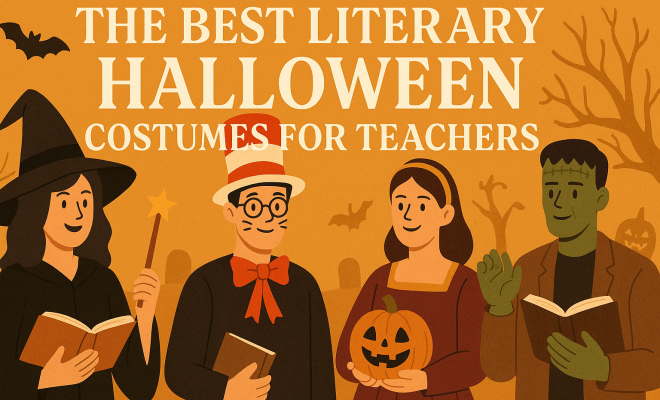
Halloween is an excellent opportunity for teachers to channel their love for literature into creative costumes. Literary Halloween costumes for teachers not only celebrate the characters they’ve come to adore but also promote a love for reading among students. This year, why not step out of the classroom and into the pages of a beloved book? Here are eight fantastic literary Halloween costumes that will have your students excited to see their teacher in a new light.
1. Miss Honey from Matilda: Channeling the Kindness of Roald Dahl
Miss Honey, the gentle and nurturing teacher from Roald Dahl’s beloved novel, Matilda, is an excellent choice for educators. To create this costume, start with a simple yet elegant dress, preferably in soft colors. Pair it with a cardigan or a light jacket to stay warm during chilly October evenings. A cute hairstyle, perhaps with a headband, completes the look.
This costume is particularly meaningful as it embodies the core values of education—compassion and understanding. By dressing as Miss Honey, you’re not just portraying a character; you’re promoting a nurturing environment in your classroom. You can even carry around a few classic books to hand out to students as they trick-or-treat through the school!
2. Harry Potter: Bringing Hogwarts to the Classroom
Who wouldn’t love to see their teacher dressed as Harry Potter? This iconic character from J.K. Rowling’s renowned series inspires a sense of adventure and wonder. To pull off this look, you’ll need a black robe, a Gryffindor scarf, round glasses, and of course, a lightning bolt scar on your forehead.
Not only will this costume resonate with students who are fans of the series, but it also opens the door for discussions about themes like friendship, bravery, and the importance of standing up for what is right. Bonus points if you bring along a wand and a few magical props like a cauldron or spell book!
3. Charlotte from Charlotte’s Web: A Heartwarming Choice
Charlotte, the wise and caring spider from E.B. White’s Charlotte’s Web, is a fantastic choice for a literary costume. This character represents friendship and loyalty, and embodying her can create a wonderful connection with your students. For this costume, wear a simple dress in earthy tones and accessorize it with a homemade spider web cape and some plush spiders.
Dressing as Charlotte can also spark conversations about agriculture and the circle of life, integrating lessons about nature into your Halloween festivities. Plus, it’s an opportunity to encourage your students to read the book or watch its adaptations.
4. Where’s Waldo: A Fun and Interactive Costume
Waldo from the classic Where’s Waldo? series by Martin Handford is a lively and fun character to embody for Halloween. With his signature red-and-white striped shirt, blue jeans, and black glasses, this costume can be put together easily. To make it more interactive, you can have your students participate in a mini scavenger hunt where they try to find Waldo among their classmates.
This costume encourages observation and attention to detail, skills that are vital for any reader. Plus, it adds a playful twist to Halloween, allowing students to enjoy some light-hearted fun with their teacher.
5. The Cat in the Hat: A Playful Dr. Seuss Classic
Dr. Seuss’s The Cat in the Hat is an iconic character that brings joy and mischief to the classroom. To create this costume, wear a white shirt with black pants or a black skirt, and don a tall striped hat. Add a bow tie for an extra touch and consider face paint to mimic the Cat’s distinctive features. (See: Overview of literature and its impact.)
This costume is a fantastic way to engage younger students and promote a love for reading and imagination. You can read excerpts from the book while dressed as the Cat, turning your costume into a fun and interactive storytelling session. Plus, who doesn’t love a little chaos and fun in the classroom?
6. Poe’s Raven: A Touch of the Macabre
If you’re looking to add a bit of mystery to your Halloween, why not dress as the Raven from Edgar Allan Poe’s famous poem? This costume requires some creativity—think black attire, feathered accessories, and maybe even a dramatic cape. You could complete the look with a raven prop or a copy of the poem to read aloud to your students.
This literary Halloween costume not only embraces classic literature but also introduces students to poetry and its unique themes. Using Poe’s work as a discussion starter can lead to explorations of symbolism, mood, and the beauty of language, making it a perfect fit for teachers who love to delve into literary analysis.
7. Hester Prynne from The Scarlet Letter: A Historical Figure
For those who love classic American literature, Hester Prynne from Nathaniel Hawthorne’s The Scarlet Letter serves as a profound and meaningful costume. A simple dress with a shawl and a prominently displayed letter ‘A’ can create an impactful look. This choice also opens the door for discussions about themes like sin, redemption, and societal judgment.
Wearing this costume can prompt students to engage with the text and its historical context, making literature feel relevant and alive. This can spark interest not only in the book but in the social dynamics of its time, which are still applicable today.
8. Winnie the Pooh: Timeless Appeal
Finally, consider the ever-loved Winnie the Pooh from A.A. Milne’s delightful tales. This costume is charming and easy to put together—just a yellow shirt, red pants, and some cute bear ears. Not only does this costume evoke nostalgia, but it also allows you to share lessons about friendship, kindness, and adventure.
Winnie the Pooh is a character that resonates across ages, making it relatable for both young students and adults alike. This costume can be a gateway for discussing themes of friendship and exploration through literature, encouraging students to see the joy in reading.
9. Dr. Jekyll and Mr. Hyde: The Duality of Human Nature
For a costume that sparks intrigue and invites discussions about morality and human behavior, consider dressing as Dr. Jekyll and Mr. Hyde from Robert Louis Stevenson’s classic novella. This costume could be a fun dual representation, with half of your attire reflecting the respectable Dr. Jekyll—think a suit, glasses, and a bowler hat—while the other half could portray the sinister Mr. Hyde with disheveled clothing and wild hair.
This duality can lead to important conversations about the complexities of human nature, the struggle between good and evil, and the consequences of our choices. You could even engage students by asking them how they interpret the characters and what they believe to be the moral of the story.
10. Holden Caulfield from The Catcher in the Rye: A Modern Classic
Every student can relate to the struggles of adolescence, making Holden Caulfield from J.D. Salinger’s The Catcher in the Rye a relatable choice. To embody this character, you’ll want a classic red hunting hat, a plaid shirt, and a worn coat. This costume not only highlights a literary classic but also opens dialogue about teenage angst, isolation, and the search for identity.
By adopting Holden’s character, you could encourage students to reflect on their own experiences and emotions. Discussing the book’s themes alongside your costume can make literary analysis feel more personal and engaging for your students.
11. The White Rabbit from Alice in Wonderland: A Whimsical Choice
If you want to convey whimsy and creativity, consider dressing as the White Rabbit from Lewis Carroll’s Alice in Wonderland. With a tailcoat, a waistcoat, and a pocket watch, you’ll embody the hurried, anxious character that helps Alice on her journey. This costume can be lots of fun, especially with exaggerated props like a large pocket watch or oversized rabbit ears. (See: Literary Halloween costume ideas.)
The White Rabbit can lead to discussions about time, curiosity, and the importance of imagination. You can even organize a tea party-themed event in your classroom, where students can share their favorite stories. This approach not only creates excitement but also deepens their connection with literature.
12. FAQ: Literary Halloween Costumes for Teachers
What are some easy literary costume ideas for teachers?
Some easy ideas include Miss Honey from Matilda, The Cat in the Hat, or even Waldo from Where’s Waldo?. These costumes are simple to assemble and allow for creativity.
How can costumes promote literacy in the classroom?
Costumes can create engaging discussions about the characters’ stories, themes, and morals. They can spark students’ curiosity about books, encouraging them to read and explore more literature.
Are there gender-neutral literary costume options?
Absolutely! Characters like The Cat in the Hat, Waldo, and Charlotte from Charlotte’s Web can be portrayed by anyone. Focus on the essence of the character rather than traditional gender norms.
Can I incorporate Halloween activities into my literature lessons?
Definitely! You can host book-themed scavenger hunts, read-aloud sessions, or creative writing prompts based on Halloween themes. This combination of fun and education can enhance your students’ learning experience.
What is the significance of using literary characters for Halloween costumes?
Using literary characters in costumes not only makes the holiday fun but also reinforces the importance of literature and its themes. It allows teachers to share their passion for books in a creative way, inspiring students to dive into literature.
13. Broader Ideas: Incorporating Literary Themes into Your Costume
While dressing up as a specific character is fun, you can also explore broader literary themes. For instance, consider representing a genre such as mystery, fantasy, or adventure. This approach can open discussions about various writing styles and authors. You can use props that symbolize the genre, like a magnifying glass for a mystery costume or a cloak for fantasy.
Choosing a theme can also encourage students to think critically about literature. You might dress as a detective to discuss mystery novels, complete with a trench coat and a magnifying glass. This can lead to a fun lesson on mystery writing or the elements of a good plot. Or, if you want to represent adventure, consider a costume inspired by explorers like Huckleberry Finn or literary adventurers like Frodo Baggins from The Lord of the Rings.
14. Statistics: The Impact of Themed Costumes on Student Engagement
Research shows that thematic events, including costume days, can significantly boost student engagement. A study published in the Journal of Educational Psychology found that incorporating fun, interactive elements in the classroom led to a 25% increase in student participation during lessons.
Moreover, when teachers embrace themed costumes, it can create a more inviting and exciting classroom atmosphere, which in turn fosters a love for learning. In a survey of over 500 educators, 80% reported that their students were more enthusiastic about literature when their teachers participated in themed events, like Halloween. (See: Harvard University education resources.)
15. Expert Perspectives: What Educators Say About Literary Costumes
Many educators emphasize the importance of creativity in teaching. Dr. Emily Larkin, a professor of education, notes, “Costumes can serve as a bridge between literature and real-life experiences. They make characters relatable and spark interest in reading. When teachers dress up, they show students that learning can be fun.” This sentiment is echoed by veteran teachers who find that costumes not only enliven the classroom but also create memorable connections with students.
Additionally, school psychologist Ms. Tara Jenkins points out that thematic costumes can aid in classroom management. “Students are often more focused when their teachers engage in playful, themed activities. It sets a tone of excitement and encourages positive behavior,” she states.
16. Incorporating Storytelling into Costumes
When you dress up as a literary character, consider incorporating storytelling techniques into your presentation. For example, as Miss Honey, you might share a brief anecdote about kindness or nurturing relationships, creating a deeper connection with your students. This storytelling element not only enhances the costume but also reinforces the character’s message.
As the Cat in the Hat, you could perform a quick rhyming story or engage students in a spontaneous storytelling session where they can add their own twists. This interactive approach not only makes the costume come alive but also promotes creativity and verbal skills among students.
17. Comparative Costumes: Pairing Characters
Pairing up with another teacher for a literary costume duo can amplify the fun! Think about iconic pairs like Sherlock Holmes and Dr. Watson or Alice and the Mad Hatter. This can lead to collaborative lessons, where you both teach about the themes and elements found in your respective books. Plus, it’s a great way to encourage camaraderie among staff while engaging students with dynamic presentations.
Such collaborative costumes can make for memorable photo opportunities and even school-wide contests, where students can vote for their favorite literary duo. This fosters a sense of community and excitement around literature and Halloween.
18. Conclusion: Inspiring a Love for Literature
As you prepare for Halloween, remember that the costumes you choose can inspire your students’ love for literature. Literary Halloween costumes for teachers can spark discussions, encourage reading, and bring a sense of fun into the classroom. Whether you’re dressing as Miss Honey, Harry Potter, or even the enigmatic raven, these costumes offer a unique way to celebrate the written word. Halloween is more than just candy and costumes—it’s an opportunity to connect with your students and inspire their imaginations. So, which literary character will you embody this October? See also top costumes for teachers.
“`
Trending Now
Frequently Asked Questions
What are some literary Halloween costume ideas for teachers?
Some great literary Halloween costume ideas for teachers include Miss Honey from Matilda, Harry Potter from the Harry Potter series, and Charlotte from Charlotte's Web. These costumes not only celebrate beloved characters but also inspire a love for literature among students.
How can teachers create a Miss Honey costume?
To create a Miss Honey costume, start with a simple, elegant dress in soft colors, and add a cardigan or light jacket. A cute hairstyle with a headband and a few classic books to hand out will complete the look, embodying compassion and understanding in the classroom.
What elements are essential for a Harry Potter costume?
Essential elements for a Harry Potter costume include a black robe, a Gryffindor scarf, round glasses, and a lightning bolt scar on your forehead. Adding a wand and magical props like a cauldron or spell book enhances the costume and engages students.
Why should teachers dress up in literary costumes for Halloween?
Teachers should dress up in literary costumes for Halloween to celebrate literary characters and promote a love for reading. It creates an exciting atmosphere in the classroom and encourages discussions about important themes found in literature.
What is a heartwarming costume for teachers?
A heartwarming costume for teachers is Charlotte from Charlotte's Web. This character represents friendship and compassion, making it a meaningful choice that resonates with students and fosters a nurturing classroom environment.
Agree or disagree? Drop a comment and tell us what you think.