Bitcoin Price Soars in 2026: ETF Inflows & Fed Comments Fuel Rally
“`html
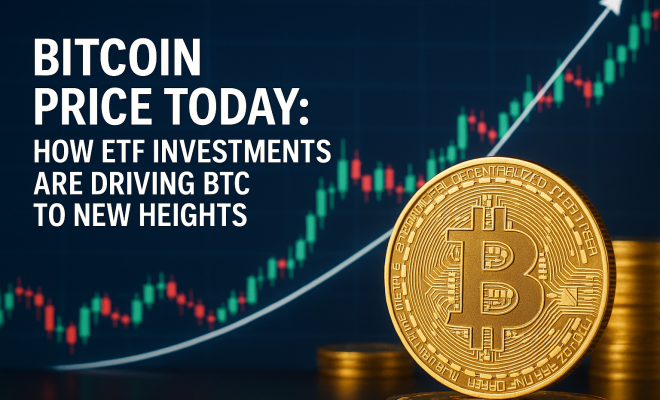
The cryptocurrency market is buzzing, and for a good reason. As of July 5, 2026, the Bitcoin price today has surged above $63,000, marking a significant rebound that has piqued the interest of investors and traders alike. This notable uptick in Bitcoin’s value isn’t just a random fluctuation; it’s driven by a remarkable spike in investments into U.S. Bitcoin exchange-traded funds (ETFs). With BTC trading around $63,022 at 7:00 AM Vietnam time—a slight increase of 0.2% from the previous day—it’s clear that the market is responding to a combination of economic signals and investor sentiment.
The Catalyst: Fed Chairman’s Comments
To understand the dynamics behind this recent surge, we need to examine the comments made by the Federal Reserve Chairman regarding persistent inflation. Historically, statements from the Federal Reserve have a profound impact on various financial markets, and cryptocurrency is no exception. When the Chairman indicated that inflation was still a concern, Bitcoin’s price reacted positively, moving up from $58,000 to $60,000. This initial recovery set the stage for the current surge above the psychological barrier of $63,000.
Psychological price points often serve as emotional triggers for traders. When Bitcoin first broke through the $60,000 mark, it brought renewed optimism to the market. The fear of missing out (FOMO) is a powerful sentiment, and it undoubtedly contributed to the rapid increase in price that followed. Investors, eager not to miss the opportunity to capitalize on Bitcoin’s momentum, rushed to buy in.
The ETF Effect
Bitcoin ETFs have become a hot topic in the financial world, with their potential to attract significant capital inflows into the cryptocurrency market. ETFs allow traditional investors to gain exposure to Bitcoin without directly purchasing the cryptocurrency, which can be a daunting task for many. The recent surge in investments in U.S. Bitcoin ETFs indicates a broader acceptance of Bitcoin in mainstream finance.
The approval of various Bitcoin ETFs has opened the floodgates for institutional investors, adding a layer of legitimacy to Bitcoin as an asset class. As more individuals and institutions invest in these ETFs, we see a corresponding rise in Bitcoin’s price. This symbiotic relationship has created an environment where Bitcoin’s valuation can soar rapidly, particularly when investor enthusiasm is high.
The Psychological Barrier of $63,000
The significance of breaking the $63,000 mark cannot be overstated. Price levels often serve as psychological barriers in trading—once a level is breached, it can lead to increased buying or selling activity. The emotional charge that accompanies such a breakthrough often spurs even more traders to jump into the market. This phenomenon was evident in Bitcoin’s recent price action, where the leap from $60,000 to over $63,000 garnered significant media attention and investor buzz.
Interestingly, Bitcoin’s price history shows that it often experiences rapid surges following the breaking of key price levels. This pattern has led many seasoned traders to adopt strategies that leverage these psychological barriers. The current market conditions are no different; many traders are actively seeking to capitalize on potential upward momentum as Bitcoin approaches uncharted territory.
Market Sentiment and Social Media Buzz
In an age where social media plays a crucial role in shaping market sentiment, the buzz surrounding Bitcoin’s recent performance is palpable. Analysts and traders are sharing their thoughts across platforms like Twitter, Reddit, and specialized cryptocurrency forums. This creates a feedback loop where increased visibility leads to more trading activity, driving prices even higher.
Social media has transformed how information is disseminated in the cryptocurrency space. Influencers and analysts can quickly amplify news, trends, and sentiments, which can either bolster or hinder price movements. The rapid spread of information about Bitcoin’s recovery and the implications of ETF investments have created a perfect storm for traders looking to ride the wave of momentum.
Comparative Analysis: Bitcoin vs. Traditional Assets
When assessing Bitcoin’s recent surge, it’s also worthwhile to compare it with traditional assets like gold and stocks. Bitcoin has often been touted as “digital gold,” and its performance against traditional stores of value can provide valuable insights for investors. As inflation rises, many are seeking alternatives that can preserve value, making Bitcoin an attractive option. (See: Federal Reserve official website.)
In the past few months, while stock markets have experienced volatility and uncertainty, Bitcoin has shown resilience. The contrast between Bitcoin’s rising price and the stagnation or decline of traditional assets raises important questions: Is Bitcoin becoming the go-to asset for investors concerned about inflation? Or is it merely benefitting from a fleeting trend? The answer to these questions could have significant implications for the future of investment strategies.
Investing Strategies in a Volatile Market
With Bitcoin’s price hovering around $63,000, investors must tread carefully in this volatile market. Those considering entering the market should do so with an informed strategy. Is it wise to buy in at a peak, or should one wait for a potential correction? Dollar-cost averaging is one strategy that many investors find useful, allowing them to spread their purchases over time and potentially mitigate the impact of volatility.
Additionally, it’s crucial to remain updated with market news and trends. Investors should pay attention to macroeconomic indicators, regulatory developments, and emerging trends within the cryptocurrency space. The situation is fluid, and what looks like a strong bullish trend today could shift dramatically based on new information or market sentiment.
The Role of Regulation in Bitcoin’s Trajectory
As Bitcoin continues to rise, the role of regulation cannot be overlooked. Governments around the world are grappling with how to approach cryptocurrencies, and their decisions can have a profound impact on the market. Regulatory clarity can foster greater adoption, while stringent regulations could stifle growth.
The approval of Bitcoin ETFs in the U.S. signifies a move toward acceptance, but ongoing discussions around regulation remain critical. Any sudden changes in policy could trigger sharp price movements, as seen in the past. Investors must stay informed about regulatory developments to make sound decisions.
Expert Opinions on Future Price Movements
What do experts think about Bitcoin’s future? Many analysts and investors have differing opinions on where Bitcoin’s price might head next. Some believe that the current surge is just the beginning, with price targets exceeding $100,000 in the next year. Proponents of Bitcoin often cite its finite supply, increasing institutional adoption, and the growing demand for non-correlated assets as reasons for their bullish outlook.
Conversely, skeptics warn of potential corrections. They point to previous instances where Bitcoin has experienced significant drops after parabolic rises. A cautious approach involves recognizing the potential for both upward and downward movements, ensuring that investors have strategies in place to manage risk effectively.
The Future Perspectives of Bitcoin Technology
While price analysis is essential, it’s equally important to consider the technological advancements surrounding Bitcoin. The ongoing development of the Bitcoin Lightning Network aims to facilitate faster transactions, reducing fees and enhancing user experience. This scalability solution could further enhance Bitcoin’s utility, making it more attractive for everyday transactions.
Additionally, the integration of Bitcoin into payment systems by companies like Tesla and Square shows an increasing acceptance of cryptocurrency in mainstream business operations. As more companies adopt Bitcoin for transactions, we may see increased legitimacy and demand for the asset, which could positively influence its price.
Investing in Bitcoin: Risks and Rewards
Bitcoin presents a unique opportunity for investors, but it comes with its own set of risks. The volatility that attracts many investors can also lead to significant losses. For instance, Bitcoin has had its share of sharp declines; a notable example was in early 2022 when Bitcoin plummeted to below $30,000 after reaching an all-time high of nearly $65,000.
Investors must weigh their risk tolerance carefully. Understanding the factors that influence Bitcoin’s price, such as global economic conditions, regulatory changes, and technological advancements, is crucial for making informed investment decisions. A balanced portfolio that includes a mix of assets can help mitigate risks while allowing for potential gains in the dynamic cryptocurrency market. (See: New York Times on Bitcoin price trends.)
Bitcoin and Environmental Concerns
Another critical aspect to consider is the environmental impact of Bitcoin mining. The energy consumption associated with Bitcoin mining has raised concerns among environmental advocates. Critics argue that the carbon footprint of mining operations undermines Bitcoin’s potential as a sustainable currency.
However, the industry is evolving. Many miners are now shifting to renewable energy sources to power their operations. For example, companies in regions with abundant solar or hydroelectric power are tapping into these resources to minimize their environmental impact. This transition could not only assuage concerns but also enhance Bitcoin’s appeal among eco-conscious investors.
Frequently Asked Questions (FAQ)
What is the current Bitcoin price today?
As of July 5, 2026, the Bitcoin price today is approximately $63,022, reflecting a slight increase from the previous day.
What factors influence Bitcoin’s price?
Bitcoin’s price is influenced by a variety of factors, including market demand, investor sentiment, regulatory developments, macroeconomic indicators, and technological advancements within the cryptocurrency space.
Is investing in Bitcoin risky?
Yes, investing in Bitcoin can be risky due to its volatility. Prices can fluctuate dramatically in short periods, leading to potential losses. It’s essential to conduct thorough research and consider your risk tolerance before investing.
How can I invest in Bitcoin?
Investing in Bitcoin can be done through various platforms, including cryptocurrency exchanges, Bitcoin wallets, and ETFs. Researching the best options based on your investment strategy is crucial before proceeding.
Can Bitcoin replace traditional currencies?
While Bitcoin has the potential to serve as a medium of exchange, it faces challenges such as scalability, regulatory acceptance, and volatility. Its future as a replacement for traditional currencies remains uncertain, but many view it as a complementary asset in the financial ecosystem.
Comparative Performance: Bitcoin vs. Gold
One of the key comparisons made in investment circles is between Bitcoin and gold. Historically, gold has been a safe haven asset for centuries. However, Bitcoin’s performance during inflationary periods has prompted many to consider it as a modern-day alternative to gold. In 2021, Bitcoin returned around 60% while gold saw a decline of 4%. This stark contrast has led several analysts to propose that Bitcoin may be taking the mantle of “digital gold.” Yet, this comparison is complex.
Gold is a well-established asset with a long track record of stability. In contrast, Bitcoin is still relatively young and susceptible to volatility. For instance, in 2017, Bitcoin experienced a meteoric rise, only to crash the following year. On the flip side, Bitcoin’s potential for higher returns over shorter periods may appeal to investors with a higher risk tolerance. Therefore, the choice between investing in Bitcoin or gold often comes down to individual investment goals and risk appetite.
Global Adoption Trends
As Bitcoin gains traction, global adoption trends are worth examining. Countries like El Salvador have taken significant steps by adopting Bitcoin as legal tender, which may influence other nations to follow suit. This move not only legitimizes Bitcoin but also showcases its potential as a functional currency in everyday transactions. Data from a recent survey indicated that 46% of global respondents believed Bitcoin would be widely accepted as a legitimate currency within the next decade.
This trend is also reflected in institutional investments. Companies like MicroStrategy have made headlines for their substantial Bitcoin purchases, signaling a shift in how corporations view digital assets. The influx of institutional capital can lead to increased stability and confidence in Bitcoin as a long-term investment. If this trend continues, we may witness a paradigm shift in the global financial landscape.
The Impact of Technological Innovations
Technological advancements in the blockchain space are also significant for Bitcoin’s future. Innovations such as smart contracts and decentralized finance (DeFi) are reshaping the landscape of cryptocurrency. While Bitcoin primarily serves as a store of value and medium of exchange, the development of adjacent technologies can enhance its functionality and appeal. For instance, Ethereum’s smart contract capabilities have led to a surge in decentralized applications, creating a more robust ecosystem around cryptocurrencies.
Furthermore, the introduction of layer-2 solutions aims to alleviate some of Bitcoin’s scalability issues. By enabling faster transactions and lower fees, these solutions could facilitate Bitcoin’s use in everyday transactions, beyond speculative trading. This evolution could attract a broader user base and contribute to the asset’s overall growth.
The Future of Bitcoin: Bullish or Bearish?
Looking ahead, the future of Bitcoin remains uncertain yet promising. While many analysts are bullish, predicting prices could reach $100,000 or more within the next year, others caution about potential bear markets. The cryptocurrency’s past volatility suggests that while the potential for high returns exists, significant downturns are also a possibility. This duality creates a challenging environment for investors.
To navigate this landscape, developing a diversified investment strategy that includes Bitcoin alongside other assets can be beneficial. Whether the market trends bullish or bearish, maintaining a balanced approach allows investors to weather market fluctuations while still capitalizing on opportunities.
Conclusion: The Future of Bitcoin and Investment Opportunities
The current excitement around the Bitcoin price today, especially as it exceeds $63,000, is a reflection of broader market trends and investor sentiment. The interplay of ETF investments, market psychology, and social media buzz has created a unique environment for Bitcoin trading. For investors, this is a critical moment to assess the landscape, evaluate strategies, and remain vigilant about future developments.
As Bitcoin continues its trajectory, it offers investment opportunities that could be both rewarding and risky. Whether you’re a seasoned investor or a newcomer, understanding the factors influencing Bitcoin’s price is essential for making informed decisions. This isn’t just about riding a wave—it’s about recognizing the patterns that can lead to long-term success in the world of cryptocurrency.
“`
Trending Now
Frequently Asked Questions
What is driving the current Bitcoin price increase?
The recent surge in Bitcoin price, now above $63,000, is primarily driven by increased investments in U.S. Bitcoin exchange-traded funds (ETFs) and positive market reactions to comments from the Federal Reserve Chairman regarding inflation.
How do Bitcoin ETFs affect the price of Bitcoin?
Bitcoin ETFs attract significant capital inflows, allowing traditional investors to gain exposure to Bitcoin without directly buying it. This increased accessibility can boost demand, contributing to rising Bitcoin prices as more investors enter the market.
What role does investor sentiment play in Bitcoin's price?
Investor sentiment, particularly the fear of missing out (FOMO), plays a crucial role in Bitcoin's price movements. As Bitcoin breaks through psychological barriers like $60,000, optimism grows, prompting more investors to buy in, further driving up the price.
Why are psychological price points important for Bitcoin?
Psychological price points, such as $60,000, act as emotional triggers for traders. When Bitcoin surpasses these levels, it often leads to increased buying activity as traders react to the momentum and optimism in the market.
What did the Federal Reserve Chairman say about inflation?
The Federal Reserve Chairman's comments on persistent inflation have historically influenced financial markets, including cryptocurrency. His remarks prompted a positive reaction in Bitcoin's price, moving it from $58,000 to $60,000 and setting the stage for further gains.
Agree or disagree? Drop a comment and tell us what you think.