25 Best Day of the Dead Crafts for Kids
As Halloween fades and the air turns crisp, families start to prepare for another colorful celebration: the Day of the Dead (Día de los Muertos). This Mexican holiday, recognized by UNESCO as an Intangible Cultural Heritage, honors deceased loved ones with vibrant festivities and meaningful traditions. Engaging in Day of the Dead crafts for kids offers a wonderful opportunity to teach young ones about this rich cultural heritage while sparking their creativity.
1. Colorful Sugar Skulls: Making Sweet Memories
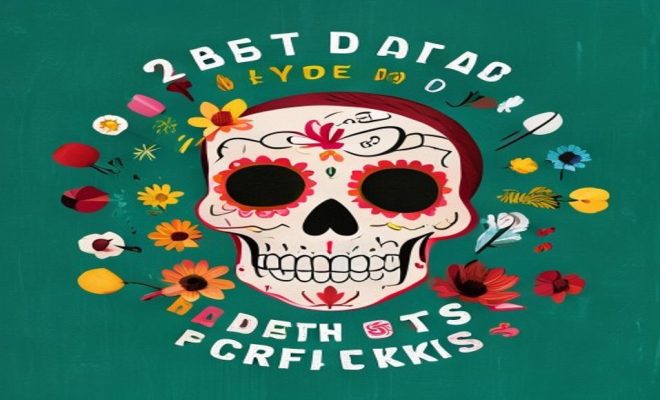
Sugar skulls, or calaveras de azúcar, are iconic symbols of the Day of the Dead. These decorative skulls are usually adorned with bright colors and intricate designs. To create your own, mix sugar with meringue powder and water to form a thick paste. Mold the mixture into skull shapes using plastic skull molds. Once dry, kids can decorate them with edible food coloring, icing, or even glitter. This hands-on activity not only teaches kids about the significance but also allows them to express their artistic flair.
Creating sugar skulls can lead to discussions about the ancestors being honored. Encourage children to think about their own family members and what they would like to remember about them. This craft is not just about the fun of making; it’s an important way to make connections across generations.
2. Paper Marigolds: Crafting the Traditional Flower
Marigolds, or cempasúchil, are believed to guide spirits back to the world of the living with their vibrant hues and fragrance. Kids can create beautiful paper marigolds using tissue paper, pipe cleaners, and scissors. Layer several pieces of tissue paper, cut them into circles, and then layer them again to create a flower. Gather the center with a pipe cleaner, fluff the petals, and voilà! You have a stunning marigold to add to your altar or decoration.
This craft is a fantastic opportunity to explore the natural world together. Discuss the importance of marigolds in Mexican culture and their symbolism during the Day of the Dead. Kids can also create a whole bouquet, emphasizing teamwork and collaboration.
3. DIY Ofrenda: Building a Personal Altar
An ofrenda, or altar, is central to the Day of the Dead celebration. Encourage kids to create their own mini ofrenda using cardboard boxes, craft supplies, and family photos. This project helps children learn about the significance of offering food, drinks, and mementos to honor loved ones. Personalize each altar with items that represent family traditions or favorite foods of the departed, making the experience even more meaningful.
By involving children in the creation of an ofrenda, you’re allowing them to connect with their heritage on a personal level. Share stories about the ancestors being honored, reinforcing the importance of remembrance and gratitude.
4. Day of the Dead Masks: A Festive Accessory
Masks play a significant role in the festivities, often used in parades and celebrations. Kids can create their own Day of the Dead masks using cardstock, paint, and embellishments like sequins and feathers. Provide templates or let them design their own masks, ensuring they capture the spirit of the holiday with bright colors and skull designs.
This craft allows for both creativity and storytelling. Encourage kids to think about who they might portray in a parade and what that person means to them. The masks can also serve as props for future celebrations or events.
5. Decorated Candles: Light up the Celebration
Candles hold significant meaning during the Day of the Dead, representing the light that guides spirits back home. Get plain white candles and allow kids to decorate them with colorful tissue paper, markers, or paint. Encourage them to visualize their designs representing the spirits of their loved ones. This activity not only enhances creativity but also teaches the importance of light in this celebration.
Discuss how candles are used in the ofrenda and what they symbolize. After decorating, light the candles together to create a warm, inviting atmosphere that honors those who have passed.
6. Skull Painting: Unleashing Artistic Expression
Incorporating skull motifs into paintings is a fun way for kids to learn about the Day of the Dead. Provide canvases or sturdy paper and let their imaginations run wild with paints or crayons. Encourage them to use bright colors and patterns, similar to traditional art forms found in Mexico. This craft is not only enjoyable but also allows children to explore cultural elements through art.
While creating, discuss the symbolism of the skulls and how they are celebrated rather than mourned during this holiday. This perspective fosters a healthy understanding of life and death, emphasizing joy over sadness.
7. Day of the Dead Puppets: A Playful Approach
Creating paper puppets is a delightful way to engage children in storytelling centered around the Day of the Dead. Use popsicle sticks, colored paper, and markers to create characters like La Catrina or skeletons. Once the puppets are made, have kids put on a puppet show to share stories about loved ones or the significance of the holiday. (See: Day of the Dead on Wikipedia.)
This craft encourages imaginative play and enhances verbal skills. As they perform, children learn to communicate their understanding of the Day of the Dead, turning art into a meaningful narrative experience.
8. Beaded Necklaces: Crafting Cultural Accessories
Beading can be a thoughtful way for kids to create their own Day of the Dead jewelry. Provide colorful beads and string to design necklaces or bracelets. Kids can choose colors that resonate with the themes of the holiday, such as orange, purple, and black. This activity not only helps develop fine motor skills but also promotes self-expression.
While crafting, discuss the significance of colors in Day of the Dead celebrations. Each color often symbolizes different elements, such as life, death, and remembrance, which can encourage deeper understanding and appreciation of the culture.
9. Calavera Cookies: Sweet Treats with Meaning
Baking calavera-shaped cookies is a delicious way to celebrate the Day of the Dead. Use a sugar cookie recipe and a skull-shaped cookie cutter to create delightful treats. Kids can decorate the cookies with icing and edible decorations, transforming them into eye-catching designs. This activity combines cooking with art, making it an engaging way to bond as a family.
As you bake and decorate, talk about the tradition of sharing food with the spirits on the Day of the Dead. Discuss the importance of food in Mexican culture and how it brings people together, both living and deceased.
10. Crafting a Calavera Wall Hanging: An Artful Display
Creating a wall hanging inspired by calaveras is a beautiful way to incorporate art into home decor. Use cardboard or wood as the base and let kids paint or decorate with various materials to create a stunning piece of art. This project allows for personal expression and creativity, as each wall hanging can reflect the child’s personality and understanding of the holiday.
Once complete, display the wall hanging prominently to remind everyone of the vibrant traditions of the Day of the Dead. Discuss how decorations play a role in honoring the deceased, making this craft not only fun but also educational.
11. Pipe Cleaner Skeletons: Crafting the Undead
Pipe cleaner skeletons are a simple yet effective way for kids to create their own representations of the holiday’s themes. Using black and white pipe cleaners, children can twist and shape their skeletons, adding features like eyes and accessories. This craft enhances fine motor skills while promoting creative thinking.
Encourage discussions about the symbolism of skeletons in the context of the Day of the Dead, emphasizing that they represent life, death, and the joy of remembering our loved ones. The playful nature of this craft allows for a light-hearted approach to a profound topic.
12. Decorative Rocks: Nature’s Canvas
Collecting and decorating rocks is a fun way to connect with nature while celebrating the Day of the Dead. Kids can paint rocks with colorful designs, skulls, or messages for their loved ones. Once decorated, these rocks can be placed in a garden, on an altar, or around the house, bringing a touch of festivity to everyday life.
This craft encourages creativity and mindfulness, inviting children to think about their connections to the earth and the people they wish to honor. It’s a gentle reminder that celebrations can take many forms.
13. Day of the Dead Coloring Pages: A Relaxing Activity
Coloring pages featuring Day of the Dead themes can be a calming and engaging activity for kids. Provide a selection of printable coloring sheets showcasing sugar skulls, marigolds, and scenes from the celebrations. This activity allows children to express themselves through color choices while learning about the imagery associated with the holiday.
While coloring, you can share stories about the different elements in the pictures, enriching their understanding of why these images are significant. This low-pressure craft can be a great way to wind down after a busy day of activities.
14. DIY Day of the Dead T-shirts: Wearable Art
Turning plain t-shirts into wearable art is a fantastic way for kids to express their creativity. Use fabric markers or paint to create designs inspired by the Day of the Dead, such as skulls, marigolds, or even personal messages. This craft not only encourages self-expression but also creates a unique keepsake for the holiday.
Wearing these custom designs can spark conversations about the Day of the Dead, allowing kids to share their knowledge and pride in their heritage. It’s a fun way to blend art, culture, and fashion! (See: CDC on engaging children in activities.)
15. Shadow Boxes: A 3D Tribute
Shadow boxes can be an excellent way to create a three-dimensional tribute to loved ones. Using a box or frame, kids can arrange various items like pictures, small mementos, and decorations that represent their deceased family members. This craft encourages reflection and creativity while allowing children to create a personalized tribute.
Discuss the elements included in the shadow boxes and their significance, fostering a deeper understanding of the Day of the Dead. This can be a meaningful project that connects kids with their family history.
16. Felt Day of the Dead Decorations: Soft and Colorful
Felt is a versatile material that can be used to create various decorations for the Day of the Dead. Kids can cut out shapes like skulls, flowers, and hearts, then sew or glue them together to create vibrant decorations. This tactile craft boosts fine motor skills and allows for creative expression.
As they work, talk about the different decorations and their meanings, enhancing their understanding of the cultural significance behind each item. This craft can also lead to discussions about textile arts in Mexican tradition.
17. Day of the Dead Origami: Folding Traditions
Origami is a captivating way for kids to learn patience and precision while creating beautiful designs relevant to the Day of the Dead. Using colorful origami paper, children can make skulls, flowers, and more. This craft not only enhances fine motor skills but also introduces kids to the art of paper folding.
While folding, explore the history and symbolism behind origami and how it connects to cultural practices around the world. This can broaden their understanding of art forms and the significance of paper crafts in different cultures.
18. Day of the Dead Story Stones: A Creative Narrative Tool
Paint stones with images representing different elements of the Day of the Dead, such as skulls, marigolds, candles, and more. These stones can be used as storytelling prompts for kids, encouraging them to create narratives around their designs. This craft combines art with literature, enhancing creativity and storytelling skills.
While kids create their story stones, engage them in conversations about the meanings behind their designs, fostering deeper connections to the Day of the Dead traditions.
19. Day of the Dead Paper Chains: A Colorful Decoration
Paper chains are a simple yet effective way to bring festive color to your home. Using colorful paper, kids can cut strips and create chains, decorating them with designs relevant to the Day of the Dead. This craft is engaging and can become a group activity, making it perfect for family gatherings.
Discuss how these decorations are often used in celebrations and the importance of communal activities in honoring the deceased. It’s a great way to bring everyone together, fostering a spirit of cooperation and creativity.
20. Day of the Dead Bingo: A Fun Learning Game
Create bingo cards featuring symbols, images, and themes associated with the Day of the Dead. This engaging game can help kids learn about the holiday while having fun with family and friends. As they play, discuss the significance of each symbol, reinforcing their learning through a playful format.
Bingo is not just a game; it’s an interactive way to engage with cultural traditions and ensure that learning is enjoyable. This can be a great addition to any Day of the Dead celebration.
21. Skeleton Dance: Movement and Expression
Incorporating movement into your Day of the Dead celebration can be both fun and educational. Teach kids traditional dances that represent the holiday, or create a playful dance routine featuring skeletons. This activity encourages physical activity while allowing kids to express themselves creatively.
Discuss how dance is a form of cultural expression and how it’s often used in celebrations around the world. Engaging in this way reinforces the idea that culture is alive and dynamic.
22. Day of the Dead Cards: Sending Love
Encourage kids to create greeting cards for family members, expressing love and remembrance during the Day of the Dead. Using cardstock, markers, and decorations, children can design cards featuring Day of the Dead symbols, adding personal messages. This craft not only promotes creativity but also strengthens family bonds and communication.
As they create the cards, discuss the importance of reaching out to loved ones and sharing memories, emphasizing the role of communication in maintaining relationships, even with those who have passed.
23. Day of the Dead Jigsaw Puzzles: Learning Through Play
Creating your own jigsaw puzzles can be a fun and educational activity. Have kids draw or paint designs representing the Day of the Dead on thick cardstock, then cut them into puzzle pieces. This craft helps develop problem-solving skills while reinforcing their understanding of the holiday.
As they work on the puzzles together, explore the symbolism behind their designs, making connections between the puzzles and the cultural significance of the Day of the Dead.
24. Day of the Dead Storybook: A Personal Narrative
Encourage kids to create their own storybooks that explore the Day of the Dead. They can illustrate their stories, incorporating elements of their family traditions and memories of loved ones. This project allows them to express their understanding of the holiday and can be a cherished keepsake for years to come.
As they write and illustrate, engage in discussions about family history and the importance of storytelling in preserving cultural traditions. This craft combines writing, art, and family bonding.
25. Celebrate with a Family Gathering: Bringing It All Together
Finally, host a family gathering to showcase all the crafts and creations made during your Day of the Dead activities. This event can be an opportunity for sharing stories, enjoying traditional foods, and celebrating the creativity of each participant. Incorporating a potluck meal can deepen familial connections as everyone shares their favorite dishes.
As you celebrate, discuss the meaning of the Day of the Dead as a joyous occasion rather than a somber one. Highlight the importance of remembering and honoring loved ones while sharing laughter and love among family and friends.
Engaging children in Day of the Dead crafts for kids offers more than just a creative outlet; it fosters connections to culture, family, and history. By participating in these activities, kids not only learn about the holiday but also develop a meaningful understanding of life and remembrance. So, gather your supplies, unleash your creativity, and celebrate the vibrant traditions of the Day of the Dead!
Trending Now
Frequently Asked Questions
What crafts can kids make for Day of the Dead?
Kids can create various crafts for Day of the Dead, including colorful sugar skulls and paper marigolds. Sugar skulls are made from sugar and decorated with vibrant colors, while paper marigolds can be crafted using tissue paper and pipe cleaners. These activities not only engage creativity but also educate children about the cultural significance of the holiday.
How do you make sugar skulls for Día de los Muertos?
To make sugar skulls, mix sugar with meringue powder and water to form a thick paste. Mold the mixture into skull shapes using plastic molds and let them dry. Once dry, kids can decorate the skulls with edible food coloring, icing, or glitter, making it a fun and artistic way to celebrate the holiday.
What is the significance of marigolds in Day of the Dead celebrations?
Marigolds, or cempasúchil, play a vital role in Day of the Dead celebrations as they are believed to guide the spirits of the deceased back to the living. Their vibrant colors and fragrance are thought to attract and comfort the spirits, making them an essential decoration on altars and during festivities.
How can Day of the Dead crafts help children learn about the holiday?
Engaging in Day of the Dead crafts helps children learn about the holiday's cultural significance by connecting them with traditions and stories of their ancestors. Crafts like making sugar skulls and marigolds provide hands-on experiences that spark discussions about family and remembrance, fostering a deeper understanding of this rich cultural heritage.
What materials do you need for Day of the Dead crafts?
For Day of the Dead crafts, you typically need materials like sugar, meringue powder, food coloring, tissue paper, pipe cleaners, and scissors. These supplies are used to create festive decorations like sugar skulls and paper marigolds, allowing kids to express their creativity while learning about the traditions of the holiday.
Agree or disagree? Drop a comment and tell us what you think.