Satellite Pollution: Will It Drown Out the Stars?
“`html
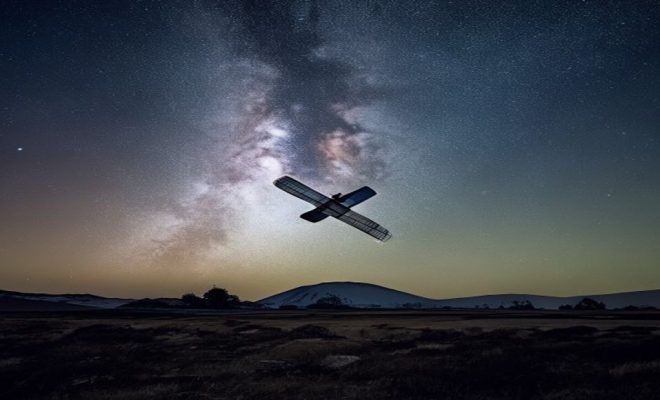
The night sky, a canvas of shimmering stars that has inspired poets, scientists, and dreamers alike for millennia, faces a new threat: satellite pollution. Recent research from the European Southern Observatory (ESO) warns that the increasing number of satellites being launched could irrevocably change our view of the cosmos. This change isn’t just an academic concern; it’s one that resonates deeply with a global community of stargazers and astronomy enthusiasts.
The Rise of Satellite Mega-Constellations
In recent years, the launch of satellite mega-constellations has accelerated at an unprecedented pace. Companies like SpaceX, OneWeb, and Amazon are leading the charge, planning to deploy thousands of small satellites into low Earth orbit (LEO) to provide global internet coverage. For instance, SpaceX’s Starlink project alone aims to deploy up to 42,000 satellites. This ambitious endeavor raises the specter of satellite pollution, which refers to the visual and astronomical interference caused by such a dense concentration of artificial satellites.
The ESO study highlights the potential consequences of this phenomenon. With thousands of new satellites planned for launch, the night sky could become a permanently brightened region filled with a grid of moving lights. Deep-sky observing, crucial for both professional and amateur astronomers, may become nearly impossible in many areas around the world. The implications extend beyond mere inconvenience; they could fundamentally reshape humanity’s connection to the stars.
Disruption to Astronomy
Imagine setting up your telescope to gaze at the intricate details of distant galaxies, only to be thwarted by a constant stream of satellites disrupting your view. This scenario is becoming a harsh reality for astronomers. The ESO study outlines how the brightness of the night sky could increase significantly due to this satellite influx. Studies have shown that even a small increase in brightness can render deep-sky observations difficult or even impossible.
For amateur astronomers, the impact could be particularly severe. Many people engage in stargazing as a hobby, and the thrill of spotting a comet or tracing the outline of the Milky Way is a cherished experience. With the encroachment of satellite pollution, not only would these experiences diminish, but the opportunity to engage with the cosmos could be permanently lost. This potential loss has ignited passionate conversations in astronomy communities, with many individuals expressing their fears online.
The Emotional Response of Stargazers
The emotional weight of losing the night sky is palpable, particularly among those who have dedicated their lives to studying the stars. Social media has become a platform for fear and outrage, as images and videos illustrating the potential impact of satellite pollution circulate rapidly. Tweets, posts, and articles documenting this issue have sparked debates, prompting many to call for urgent regulatory action. The shared sentiment is clear: our ability to view the night sky is a fundamental human experience that should not be compromised.
One prominent astronomer shared their concerns on social media: “The thought of losing the night sky to technology is heartbreaking. We must find a balance between innovation and preserving our connection to the universe.” This sentiment resonates with many who feel that they are witnessing the slow erosion of a shared human experience. (astronomers' concerns)
Possible Solutions and Regulatory Action
As the outcry grows, discussions about potential solutions are increasingly relevant. Some experts suggest that regulations should be put in place to manage the number of satellites launched into orbit. Ideas range from limiting the number of satellites per launch to requiring companies to include technology that minimizes brightness and visibility from Earth.
Others propose that satellite operators adopt ‘dark sky’ practices, which would enhance the ability of astronomers to observe the universe without interference. This could involve modifying the design of satellites to reduce their reflectivity, thereby decreasing their impact on the night sky. The challenge lies in balancing technological advancement with the preservation of our cosmic heritage.
The Role of Space Agencies
Space agencies around the world are also recognizing the growing concern of satellite pollution. Agencies like NASA and the European Space Agency (ESA) have begun to address the issue by conducting studies and establishing forums to discuss responsible satellite deployment. Collaborative efforts are crucial to ensure that the expansion of satellite constellations does not come at the cost of astronomical observation.
Moreover, many astronomers and researchers are advocating for global agreements on space traffic management and satellite launch policies. The emergence of international guidelines could help mitigate the negative impact of satellite pollution and preserve the integrity of both scientific research and cultural heritage. (See: Overview of satellite missions.)
The Threat to Cultural Heritage
It’s not just the scientific community that stands to lose from the rise of satellite mega-constellations; cultural heritage is at stake as well. For centuries, the night sky has inspired art, literature, and mythology across diverse cultures. The stars have been a source of guidance and inspiration for countless generations. Losing that connection to our celestial heritage would be a profound cultural loss.
Think about it: How many of us have looked up to the stars on a clear night and felt a sense of wonder? How many stories have been told and dreams sparked under that vast, twinkling expanse? As satellite pollution encroaches on our night sky, we risk severing that bond and losing a part of what makes us human.
Public Engagement and Awareness
One of the most powerful tools for driving change is public awareness. The outcry over satellite pollution has drawn attention from environmental groups, tech critics, and concerned citizens. Engaging the public in meaningful discourse about the implications of an increasingly crowded sky is essential.
Public campaigns can raise awareness about the importance of preserving dark skies. By educating people about the impact of satellite pollution and mobilizing communities around this shared concern, we can start to push for the necessary changes. Workshops, community events, and social media campaigns can all play a role in fostering this awareness.
Looking to the Future
The future of our night sky hangs in the balance. As more satellites are launched and mega-constellations become the norm, the possibility of permanently brightening the sky looms large. However, with proactive steps from both the scientific community and the public, there’s still hope for maintaining the beauty of the cosmos.
Innovative technologies could lead to the development of satellites that are less disruptive to astronomical observations. Furthermore, a concerted effort to push for regulatory frameworks could pave the way for a more harmonious coexistence between our technological advancements and the night sky.
A Call to Action
As we stand on the brink of significant changes to our night sky, it’s imperative that we act. Whether you’re a seasoned astronomer, a casual sky-gazer, or someone who simply enjoys the beauty of the stars, your voice matters. Advocate for policies that protect our view of the cosmos. Engage with local astronomy clubs, participate in community discussions, and raise awareness about the potential impacts of satellite pollution.
Ultimately, preserving our ability to gaze at the stars is about more than just science; it’s about safeguarding a part of our shared humanity and cultural legacy. The call to action is clear: we must protect our night sky, not just for ourselves, but for future generations who will look up in wonder and awe.
Comparative Analysis of Satellite Pollution
Satellite pollution isn’t just a problem unique to one region or one type of satellite. It’s a global issue that transcends borders. In comparing the light pollution caused by terrestrial sources, such as city lights, to that of satellite pollution, we see that both have significant effects on astronomical observation, yet they manifest differently.
While terrestrial light pollution can be mitigated through urban planning and the use of shielding technology, satellite pollution presents a unique challenge. Unlike ground-based light, satellites move across the sky at high speeds, making it difficult for astronomers to track their paths and adjust their observations accordingly. According to the International Dark-Sky Association, light pollution from ground sources can be controlled to some extent, but satellite pollution is expected to increase exponentially in the coming years.
In a recent study by the American Astronomical Society, it was suggested that the impact of satellite constellations could increase the brightness of the night sky by as much as 10% in some locations, dramatically hampering observations of celestial events that are crucial for scientific research and public enjoyment alike.
Expert Perspectives on Satellite Pollution
Experts in astronomy and environmental science are vocal about the implications of satellite pollution. Dr. John Barentine, an advocate for dark skies, emphasizes the need for immediate action: “We’re at a critical juncture. If we don’t address satellite pollution now, we risk losing our ability to observe and understand the universe.” His insights reflect the concerns of many in the field who worry that the future of observational astronomy is at stake. (See: Impact of satellite constellations on astronomy.)
Additionally, a panel of experts convened by the Royal Astronomical Society highlighted the urgent need for satellite manufacturers to consider the long-term consequences of their designs. “It’s not just about launching satellites; it’s about how we do it,” stated Dr. Laura Whittle, a space policy expert. “We can’t afford to be shortsighted in our quest for connectivity.”
Statistics and Trends in Satellite Launches
The numbers tell a stark story. In 2020 alone, over 1,000 satellites were launched into orbit, a significant increase from the previous years. Current trends suggest that this number will only grow as more companies enter the satellite communications market. According to a report from the United Nations Office for Outer Space Affairs, there are currently over 2,800 satellites in orbit, and this figure is expected to reach over 10,000 within the next decade if the current pace continues.
Interestingly, a survey by the National Science Foundation reveals that 75% of Americans believe satellite pollution poses a threat to astronomy. Yet, despite this awareness, there appears to be a disconnect between public concern and action taken by policymakers. This emphasizes the need for advocacy and grassroots movements to bridge that gap and ensure that the night sky remains a source of inspiration for generations to come.
Frequently Asked Questions
What is satellite pollution?
Satellite pollution refers to the visual and astronomical interference caused by an increasing number of artificial satellites in orbit, which can obscure the view of celestial bodies and hinder astronomical observations.
How does satellite pollution affect astronomy?
Satellite pollution can significantly increase the brightness of the night sky, making it difficult for astronomers to conduct deep-sky observations and diminishing the quality of stargazing for amateur astronomers.
What can be done to mitigate satellite pollution?
Solutions include implementing regulations to limit satellite launches, adopting ‘dark sky’ practices among satellite operators, and promoting designs that minimize satellite reflectivity to reduce their impact on the night sky.
Are there any initiatives in place to address this issue?
Yes, organizations like the American Astronomical Society and the International Dark-Sky Association are actively advocating for policies and practices to address satellite pollution and its effects on astronomical research.
How can the public get involved?
The public can raise awareness through community events, engage in discussions about the implications of satellite pollution, and advocate for policies that protect the night sky. Joining local astronomy clubs or participating in social media campaigns can also help amplify these efforts.
What is the role of space agencies in managing satellite pollution?
Space agencies like NASA and ESA are conducting studies to evaluate the impacts of satellite pollution and are involved in discussions to create international guidelines for responsible satellite deployment and traffic management in space.
The Economic Implications of Satellite Pollution
While the focus often lies on the scientific and cultural consequences of satellite pollution, there are also economic implications to consider. The burgeoning satellite industry represents a significant investment opportunity, with companies pouring billions into satellite technologies for communication, earth observation, and global internet provision. According to a report by Space Capital, the space economy is expected to reach $1 trillion by 2040, driven largely by the expansion of satellite networks.
However, as the number of satellites increases and satellite pollution becomes a growing concern, there could be costs associated with it. For instance, if astronomical observations are hindered, the associated research could take longer, leading to increased costs for scientific endeavors. Furthermore, if public interest in astronomy wanes due to diminished visibility of the night sky, funding for astronomy-related projects could be impacted.
On the flip side, the industries supporting satellite launches and communications could see a tremendous upsurge in growth. For example, companies focusing on satellite design modifications to minimize their impact on the night sky could emerge as vital players in a new market. Thus, while the rise of satellite constellations brings unmatched potential for connectivity, it simultaneously poses challenges that could reshape the economic landscape of the space sector.
Technological Innovations for Mitigating Satellite Pollution
The challenge of satellite pollution also opens the door for innovation in satellite technology. Various companies and researchers are actively developing solutions aimed at minimizing the impact of satellites on the night sky. Some of these innovations include:
- Dark Coatings: New materials that absorb rather than reflect sunlight could significantly reduce the brightness of satellites. These coatings could be applied to the surfaces of satellites, helping to lessen their visibility from Earth.
- Orientation Technology: Some companies are exploring the use of orientation technology to adjust satellite positions to minimize their exposure to sunlight during crucial observation periods. This could help to decrease their reflectivity at night or during astronomical events.
- End-of-Life Protocols: Implementing better end-of-life disposal methods for satellites could help reduce the clutter in orbit, lowering the risks of collisions and the resulting debris that adds to the pollution. Active debris removal technologies are also being developed to tackle this growing issue.
The Global Response to Satellite Pollution
In light of the growing awareness regarding satellite pollution, there has been an increase in global discussions and actions aimed at addressing the issue. Countries are beginning to realize that space is a shared resource, and managing it responsibly is essential for sustaining both scientific research and cultural experiences. For instance, the United Nations Office for Outer Space Affairs has initiated dialogues on space sustainability, emphasizing the need for cooperative efforts among nations to manage satellite deployments responsibly.
Moreover, international partnerships are forming, with astronomers, satellite operators, and policymakers working together to develop best practices that can be adopted universally. As more stakeholders join the conversation, there is a growing hope that global regulations can be established to safeguard the night sky while allowing for technological advancements.
Future Scenarios and Predictions
Looking forward, the future of our night sky and the balance between satellite technology and astronomical observation remains uncertain. Several scenarios could unfold based on the actions taken today. In one optimistic scenario, advancements in satellite technology and effective regulatory frameworks lead to a coexistence where satellites serve their purpose without substantially impacting astronomical observations. Innovations could make future satellites nearly invisible to the naked eye during critical observation periods.
In a more concerning scenario, if the current trajectory continues without sufficient intervention, we could face a future where the night sky is dominated by a web of artificial lights, obscuring our view of natural celestial events. This could result not only in a loss of scientific inquiry but also in diminishing cultural narratives and connections to the cosmos.
Ultimately, the responsibility lies with all of us—scientists, policymakers, industry leaders, and the public—to advocate for a sustainable approach to our increasing reliance on satellite technology. The choices made today will determine whether future generations can still marvel at the stars. This builds on top astronomy apps.
“`
Trending Now
Frequently Asked Questions
What is satellite pollution?
Satellite pollution refers to the visual and astronomical interference caused by the increasing number of artificial satellites in low Earth orbit. This phenomenon can brighten the night sky, making it difficult for astronomers and stargazers to observe celestial objects.
How do satellite mega-constellations affect the night sky?
Satellite mega-constellations, such as SpaceX's Starlink, deploy thousands of satellites that can create a grid of moving lights in the night sky. This saturation of artificial lights can significantly disrupt astronomical observations and alter the natural beauty of the cosmos.
Why is satellite pollution a concern for astronomers?
Satellite pollution is a concern because it can increase the brightness of the night sky, making deep-sky observations nearly impossible. This affects both professional astronomers and amateur stargazers who rely on dark skies to study distant celestial objects.
What are the implications of increased satellite launches?
The implications of increased satellite launches include a permanently brightened night sky that could hinder astronomical research and diminish humanity's connection to the stars. This may lead to a fundamental change in how we view and interact with the cosmos.
How many satellites does SpaceX plan to launch?
SpaceX plans to deploy up to 42,000 satellites as part of its Starlink project. This massive deployment is part of a broader trend of satellite mega-constellations that could significantly impact the night sky and astronomical observations.
What's your take on this? Share your thoughts in the comments below — we read every one.