Korea’s Startup Ecosystem Surges Amid Manufacturing Decline
“`html
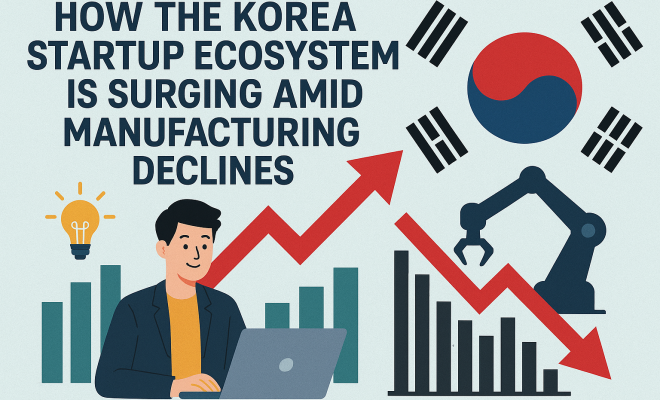
The latest trends in the South Korean economy are nothing short of remarkable. In a significant shift that has sent shockwaves through the business community, the country’s traditional manufacturing sector has experienced a 4.0% decline. Meanwhile, the Korea startup ecosystem is witnessing a booming 14.5% growth, with 20,699 new technology-based startup ventures hitting the market. This phenomenon has not only sparked intense debate among economists but also created a palpable sense of urgency among investors and entrepreneurs alike.
A Tale of Diverging Industries
While the manufacturing sector, often heralded as the backbone of South Korea’s economy, struggles with stagnation, the tech startup scene is thriving. The stark contrast between these two sectors is unprecedented and raises questions about the future trajectory of the Korean economy. How did we arrive at this juncture where innovation is outpacing traditional industries?
This transformation isn’t just a fleeting trend. The decline in manufacturing can be attributed to various factors, including rising labor costs, global supply chain disruptions, and increasing competition from countries with lower production costs. In contrast, the tech startup ecosystem is capitalizing on digital innovation, which has become essential in a post-pandemic world where remote work and e-commerce are the new norms.
The Rise of Tech Startups
Tech startups have become the lifeblood of the Korea startup ecosystem, showcasing the nation’s ability to pivot towards innovation and digital solutions. These startups are not only contributing to the economy but are also reshaping the job market, offering roles that did not exist a mere decade ago. From AI to fintech, the range of services being offered by these new ventures is staggering.
Investors are increasingly drawn to this sector, driven by the fear of missing out on the next big innovation. The startup scene’s vitality is underscored by its ability to attract talent and resources, as young entrepreneurs seek to carve out their own niches in an evolving market landscape. This rising tide of innovation stands in stark contrast to the traditional industries, which often struggle to adapt.
The Investor’s Perspective
For investors, the shift in focus from manufacturing to tech startups presents both a challenge and an opportunity. The declining performance of legacy industries raises concerns about long-term viability, prompting investors to reconsider where to allocate their capital. The influx of new startups indicates a pivotal moment where funds are more likely to flow into technology-focused ventures rather than traditional manufacturing.
Investors are now prioritizing agility, innovation, and digital transformation in their portfolios. This shift is reflected in the growing number of venture capital firms that are now specifically targeting the Korea startup ecosystem. The allure of high returns, coupled with the dynamism of the tech sector, makes it an attractive proposition amid declining traditional markets.
Societal Implications
This economic shift isn’t just about numbers; it’s also about the people behind these startups and the societal changes they bring. As the tech sector grows, it creates new job opportunities and fosters an entrepreneurial spirit among the youth. Universities and educational institutions are adapting by offering programs tailored to equip students with the skills necessary for success in the digital age.
Moreover, the rise of the Korea startup ecosystem reflects a cultural shift in how entrepreneurship is perceived. No longer relegated to just a few established players, anyone with a viable idea can now enter the landscape, breaking down barriers to entry that previously existed in the manufacturing sector. This democratization of entrepreneurship encourages creativity and innovation at all levels.
Challenges Facing the Startup Landscape
Despite the robust growth, challenges remain for the Korea startup ecosystem. Startups may face hurdles such as funding limitations, regulatory challenges, and market saturation. Competing in a landscape that is rapidly evolving requires agility and resilience. Additionally, while many startups are thriving, not all will succeed, and the high failure rate in the startup world can be daunting.
Furthermore, as the tech sector attracts more talent, questions arise about the sustainability of this growth. Will the influx of startups lead to an oversaturated market, and how will established companies respond? If traditional industries continue to decline, how will that affect the overall economy in the long run? (See: South Korea's tech startup growth.)
The Role of Government and Policy
Government initiatives play a crucial role in supporting the Korea startup ecosystem. Policies aimed at fostering innovation, providing grants, and ensuring access to resources can significantly impact the startup landscape. The South Korean government has recognized the need to pivot towards a more innovation-driven economy, implementing various measures to support budding entrepreneurs.
For example, initiatives such as the Korean New Deal aim to invest heavily in green technology and digital innovation, further propelling the startup sector. However, the effectiveness of these policies will ultimately depend on their execution and the government’s ability to create an environment conducive to entrepreneurial success.
The Global Perspective
The situation in South Korea mirrors broader global trends, where established industries are increasingly challenged by disruptive technologies. Markets around the world are evolving, and countries that adapt quickly tend to thrive, while those that cling to traditional models risk obsolescence. The Korean experience is a testament to the importance of embracing change and fostering a culture of innovation.
Comparatively, other countries are also witnessing similar shifts, as startups leverage technology to address pressing issues and meet changing consumer demands. The rapid rise of the Korea startup ecosystem is part of a larger global narrative about how economies can pivot in the face of challenges.
The Future of the Korea Startup Ecosystem
The outlook for the Korea startup ecosystem remains optimistic yet cautious. As more entrepreneurs enter the market and the government continues to foster innovation, the potential for further growth is significant. However, maintaining momentum will require ongoing support, both financially and in terms of policy.
Additionally, the interplay between tech startups and traditional industries will be crucial. Collaboration rather than competition could lead to hybrid models that benefit both sectors, allowing legacy companies to adopt new technologies while providing startups with invaluable industry experience.
The Role of Innovation Hubs
Innovation hubs are emerging as a crucial part of the Korea startup ecosystem. These spaces provide startups with not only a physical location but also access to resources, mentorship, and networking opportunities. Locations like Seoul’s Gangnam district and the Pangyo Techno Valley have become synonymous with tech innovation, attracting startups, investors, and talent from across the globe.
These hubs often host events, workshops, and competitions that foster collaboration and knowledge sharing. For example, major tech conferences such as the Seoul Startup Festival attract thousands of attendees, showcasing the latest innovations and providing a platform for startups to pitch their ideas to potential investors.
Statistics show that startups linked to incubators or innovation hubs are significantly more likely to succeed. A recent study found that startups that participate in these ecosystems see a 30% higher success rate in their first five years compared to those that operate independently.
Success Stories from the Korea Startup Ecosystem
The Korea startup ecosystem has produced several success stories that highlight its potential. One notable example is Coupang, often dubbed the “Amazon of South Korea.” Founded in 2010, Coupang revolutionized e-commerce in the region with its innovative logistics and customer service strategies, growing into a billion-dollar company that went public in 2021.
Another success is Kakao Corp, which began as a messaging app and has since diversified into various sectors, including fintech, games, and even mobility services. Kakao’s ability to integrate services has proven to be a winning strategy, illustrating how tech startups can evolve and adapt to market demands. This builds on AI agents transforming business.
These stories not only inspire budding entrepreneurs but also attract international attention, showcasing South Korea as a viable destination for investment in tech innovation. (See: South Korea's startup ecosystem analysis.)
Statistics and Trends in the Startup Sector
The statistics surrounding the Korea startup ecosystem reveal a rapidly evolving environment. In 2022 alone, South Korean startups raised over $5 billion in funding, a significant increase from previous years. The breakdown shows that fintech and healthcare startups secured the largest share of investments, reflecting global trends where technology is being used to address pressing issues in finance and health.
Furthermore, it’s estimated that by 2025, the number of tech startups in South Korea will surpass 30,000, indicating a sustained growth trajectory. This trend aligns with the increasing emphasis on digital transformation across various sectors, which is expected to drive demand for innovative solutions.
Challenges and Opportunities in the Global Startup Landscape
As the Korea startup ecosystem continues to thrive, it faces not only domestic challenges but also global competition. Startups in Korea are increasingly competing on an international stage, where they must navigate complex regulations and diverse market dynamics. Countries like the United States and China have well-established tech ecosystems that can pose significant competition for Korean startups.
However, this global competition also presents opportunities for Korean startups to innovate and differentiate themselves. By leveraging South Korea’s advanced technology infrastructure and strong educational system, startups can focus on niche markets and specialized solutions that meet the unique needs of consumers both locally and internationally.
Additionally, partnerships and collaborations with global firms can open doors for Korean startups, allowing them to expand their reach and enhance their product offerings. As more Korean startups gain recognition on the world stage, they can play a pivotal role in shaping global trends and influencing technological advancements.
Investment Trends: What Investors Should Know
The investment landscape within the Korea startup ecosystem is evolving, with several trends emerging that investors should be aware of. Venture capital activity has surged, driven by the increasing interest in tech startups. Notably, sectors like artificial intelligence, blockchain, and health tech are attracting significant amounts of investment. In fact, a recent report indicated that investments in AI startups reached a staggering $1 billion in the first half of 2023 alone.
Investors are also becoming more strategic about their investments, often looking for startups that demonstrate not just innovative ideas but also solid business models and pathways to profitability. This trend reflects a maturation of the startup ecosystem, where the focus is shifting from mere growth potential to sustainable success.
Moreover, angel investors are playing a crucial role in the early stages of startup funding. Many successful entrepreneurs are returning to invest in new startups, providing not only capital but also mentorship and industry expertise. This cycle of giving back is fostering a community of support that is vital for the ecosystem’s long-term success.
FAQs about the Korea Startup Ecosystem
What are the primary industries driving the Korea startup ecosystem?
The primary industries include fintech, healthtech, e-commerce, and artificial intelligence. These sectors are seeing significant investment and innovation, leading the charge in the startup scene.
How can startups in Korea secure funding?
Startups can secure funding through various channels, including venture capital firms, government grants, angel investors, and crowdfunding platforms. Building a solid business model and network is crucial for attracting potential investors. (See: Impact of innovation on economies.)
What challenges do Korean startups face in the global market?
Korean startups often face challenges such as intense competition, regulatory hurdles, and cultural barriers when entering global markets. Understanding the international landscape and adapting business strategies accordingly is essential for success.
Are there government programs to support startups in Korea?
Yes, the South Korean government has launched several programs aimed at fostering startup growth, including funding initiatives, tax incentives, and support for research and development. These programs are designed to create a conducive environment for innovation.
What is the role of technology in the growth of the Korea startup ecosystem?
Technology plays a critical role in the growth of the startup ecosystem by enabling new business models, enhancing operational efficiencies, and providing tools for innovation. Startups leveraging cutting-edge technology are often at the forefront of market trends.
Evaluating the Long-Term Impact of Startups on South Korea’s Economy
The long-term impact of the Korea startup ecosystem on the national economy could be profound. As tech startups grow and mature, they can contribute significantly to GDP growth and job creation. Research indicates that startups have historically been responsible for a substantial portion of net new job creation in many economies, and South Korea is poised to follow this trend.
Moreover, as these startups scale, they often lead to increased productivity and innovation across various sectors. For instance, tech innovations can enhance efficiencies in traditional industries, creating a synergy where both sectors can benefit from each other’s growth. The potential for cross-pollination between tech startups and established industries can lead to the development of new products, services, and processes that can enhance the competitiveness of the entire economy.
Conclusion: Embracing Change in a Dynamic Economy
The current economic landscape in South Korea reflects a critical inflection point for the Korea startup ecosystem. As manufacturing declines and the tech sector flourishes, the conversation surrounding the future of industry has never been more urgent. Investors, entrepreneurs, and policymakers must remain attuned to these changes, adapting their strategies to navigate the evolving economic terrain.
As the nation collectively grapples with these shifts, the potential for innovation and growth in the startup sector remains a beacon of hope. Understanding and embracing this change will be essential for all stakeholders invested in the future of South Korea’s economy. We covered exploring venture capital trends in more detail.
“`
Trending Now
Frequently Asked Questions
What is happening to the manufacturing sector in South Korea?
The manufacturing sector in South Korea has experienced a 4.0% decline, attributed to rising labor costs, global supply chain disruptions, and increased competition from countries with lower production costs.
How is the startup ecosystem in South Korea performing?
The Korea startup ecosystem is thriving, witnessing a remarkable 14.5% growth with 20,699 new technology-based startups launched, highlighting a significant shift towards innovation and digital solutions.
What factors are driving growth in South Korea's tech startups?
Growth in South Korea's tech startups is driven by digital innovation, the rise of remote work, and e-commerce, particularly in a post-pandemic world where these services have become essential.
What impact do tech startups have on the job market in South Korea?
Tech startups are reshaping the job market in South Korea by creating new roles that did not exist a decade ago, particularly in fields like AI and fintech, thereby contributing significantly to employment.
Why are investors interested in South Korea's startup scene?
Investors are drawn to South Korea's startup scene due to its dynamism and potential for significant returns, driven by the fear of missing out on the next big innovation in technology.
Have you experienced this yourself? We’d love to hear your story in the comments.