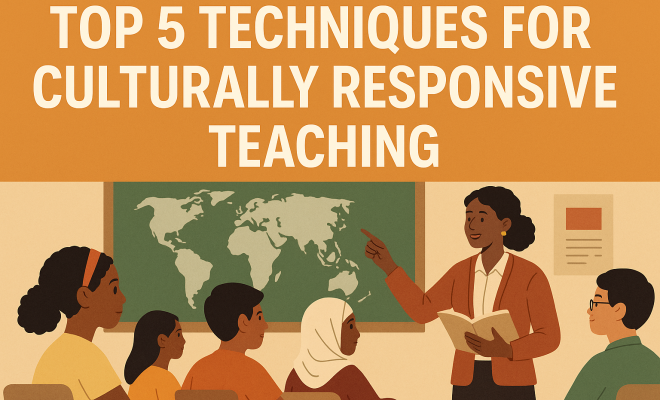
Top 5 Techniques for Culturally Responsive Teaching
“`html
The educational landscape is ever-evolving, and the need for inclusivity in teaching methodologies is more critical than ever. Culturally responsive teaching techniques offer educators powerful strategies to connect with students from diverse backgrounds effectively. This approach not only helps to foster a sense of belonging among students but also enhances their academic success. In this article, we will delve into the top five techniques that can make culturally responsive teaching a transformative experience for both educators and learners.
1. Building Relationships with Students
Establishing meaningful relationships lies at the core of culturally responsive teaching. When educators invest time in getting to know their students beyond academic performance, they create a supportive environment where learning can thrive. This relationship-building involves understanding students’ cultural backgrounds, interests, and personal experiences, which can significantly impact their engagement in the classroom.
One effective strategy is to conduct informal interviews or surveys that explore students’ home lives and cultural identities. Educators can ask about their favorite activities, family traditions, or even the challenges they face outside school. By showing genuine interest in their lives, teachers can tailor their lessons to reflect the diverse experiences of their students, thereby fostering a more inclusive learning environment. culturally responsive strategies offers useful background here.
2. Incorporating Diverse Perspectives in the Curriculum
Another essential technique is integrating diverse perspectives into the curriculum. Traditional teaching methods often present a narrow view of history and culture, which can alienate students from minority backgrounds. By incorporating texts, resources, and narratives that reflect a variety of cultures, educators can create a richer educational experience.
For instance, literature classes can include works by authors from different ethnic backgrounds, allowing students to see themselves represented in the curriculum. Additionally, history lessons can cover events from multiple viewpoints, such as indigenous perspectives on colonization. This approach not only validates students’ identities but also broadens the perspectives of all students, promoting empathy and understanding.
3. Utilizing Culturally Relevant Pedagogy
Culturally relevant pedagogy is a teaching approach that empowers students by connecting learning to their cultural contexts. This technique involves using students’ cultural knowledge as a foundation for teaching new concepts. By doing so, educators can facilitate deeper connections to the content and enhance student motivation.
For example, math lessons can incorporate real-life scenarios that reflect students’ cultural backgrounds. If a classroom has a significant number of Hispanic students, educators could use examples related to community businesses or cultural festivals. This relevance not only makes learning more engaging but also helps students see the practical application of their education in their lives.
4. Implementing Differentiated Instruction
Given the diverse learning styles and backgrounds of students, differentiated instruction is a crucial technique in culturally responsive teaching. This method enables educators to tailor their teaching strategies to meet the varying needs of their students. Differentiation can involve modifying content, processes, or products based on students’ readiness levels, interests, and cultural backgrounds.
For instance, teachers can provide multiple options for assignments, allowing students to choose how they wish to demonstrate their understanding. One student might create a visual representation of a concept, while another might prefer writing an essay. This flexibility respects individual learning preferences and fosters a sense of ownership over their education. (See: culturally responsive teaching resources.)
5. Fostering an Inclusive Classroom Environment
An inclusive classroom environment is paramount for culturally responsive teaching techniques to succeed. Educators must create a space where all students feel safe to express themselves and their cultural identities. This can be achieved through clear anti-bullying policies, promoting respect for diversity, and implementing collaborative learning structures.
One effective way to foster inclusion is through group projects that encourage collaboration among students from different cultural backgrounds. By working together, students can learn from one another and develop a sense of community within the classroom. Educators can also celebrate cultural events and traditions, allowing students to share their heritage with their peers, thereby promoting understanding and appreciation.
6. Engaging Families and Communities
Family and community involvement is crucial in culturally responsive teaching. Educators can strengthen the connection between school and home by actively engaging families in the learning process. This engagement may involve inviting parents to share their cultural traditions, expertise, or experiences during class discussions or school events.
Furthermore, schools can establish partnerships with community organizations that serve diverse populations. Collaborating with these organizations can provide valuable resources for both students and families, helping to bridge the gap between home and school. When families feel valued and included, students are more likely to succeed academically and socially.
7. Continuous Professional Development for Educators
Finally, the commitment to culturally responsive teaching techniques requires ongoing professional development for educators. Teachers must engage in training that focuses on cultural competence, implicit bias, and effective instructional strategies for diverse learners. This professional growth is essential for understanding the complexities of cultural responsiveness in education.
Schools can facilitate this development by offering workshops, conferences, and collaborative learning opportunities. Educators can also benefit from sharing best practices with colleagues and engaging in reflective teaching practices. Continuous learning helps educators adapt to changing demographics and enhances their ability to meet the needs of all students.
8. Incorporating Technology to Enhance Culturally Responsive Teaching
In today’s digital age, technology plays a significant role in transforming educational practices, including culturally responsive teaching. Tools such as online platforms, educational apps, and social media can help educators connect with their students in more meaningful ways. Using technology can facilitate the sharing of diverse perspectives and make learning more accessible and engaging.
For instance, educators can utilize virtual reality (VR) experiences to immerse students in different cultures and historical events. This type of experiential learning can deepen students’ understanding and empathy for others. Websites and online forums can provide students platforms to share their stories and cultures, encouraging dialogue and collaboration among peers. Moreover, educators can leverage instructional technology to differentiate lessons and provide personalized learning experiences tailored to individual student needs.
9. Creating Culturally Relevant Assessment Methods
Assessments in education often reflect a one-size-fits-all approach, which can disadvantage students from diverse backgrounds. By developing culturally relevant assessment methods, educators can ensure that all students have the opportunity to demonstrate their understanding in ways that resonate with their cultural contexts. This means rethinking not just what is assessed, but how.
For example, instead of standard tests, teachers might incorporate project-based assessments that allow students to explore topics relevant to their cultural experiences. This could involve community-based research projects, artistic expressions, or presentations that reflect their cultural identities. Such assessments not only promote engagement but also validate students’ backgrounds and contributions, fostering a sense of pride in their cultural heritage. (See: importance of inclusive teaching strategies.)
10. Understanding Implicit Bias and Its Impact on Teaching
Implicit bias refers to the attitudes or stereotypes that affect our understanding, actions, and decisions unconsciously. In an educational context, biases can influence how teachers perceive and interact with students, potentially leading to disparities in academic performance. Recognizing and addressing these biases is a critical component of culturally responsive teaching.
Educators should engage in self-reflection and seek feedback from colleagues to identify any implicit biases they may hold. Professional development can include training on recognizing these biases, understanding their effects on student outcomes, and strategies for minimizing their impact. By actively working to counteract bias, teachers can create a more equitable classroom environment that supports all students in achieving their fullest potential.
11. FAQs about Culturally Responsive Teaching Techniques
What is culturally responsive teaching?
Culturally responsive teaching is an educational philosophy that recognizes the importance of including students’ cultural references in all aspects of learning. It encourages educators to adapt their teaching styles and curricula to accommodate diverse cultural backgrounds, thus fostering a more inclusive and effective learning environment.
Why is culturally responsive teaching important?
Culturally responsive teaching is essential because it promotes equity in education. By recognizing and valuing diverse cultures, educators can create a more inclusive classroom where all students feel seen, heard, and valued. This, in turn, can lead to improved student engagement and academic outcomes.
How can I implement culturally responsive teaching techniques in my classroom?
You can start by getting to know your students and their backgrounds, integrating diverse materials and perspectives into your curriculum, and fostering an inclusive classroom environment. Additionally, seek to provide differentiated instruction and continuously engage in professional development focused on cultural competence.
How does culturally responsive teaching benefit all students?
Culturally responsive teaching doesn’t just benefit students from diverse backgrounds; it enriches the educational experience for all students. By exposing everyone to various perspectives and cultures, teachers can cultivate empathy, critical thinking, and global awareness, essential skills in today’s interconnected world.
Can culturally responsive teaching techniques be applied at all educational levels?
Absolutely! While the approach may be tailored to fit the developmental stages of students, culturally responsive teaching techniques can be effectively implemented in early childhood education, K-12 settings, and even higher education. The core principles remain the same: respect, inclusion, and relevance to students’ lives.
What role do families play in culturally responsive teaching?
Families are crucial in culturally responsive teaching. When educators engage families in the learning process, they create a bridge between home and school. This involvement can foster a sense of belonging and support for students, enhancing their academic and social development.
12. Strategies for Developing Cultural Competence in Educators
To effectively implement culturally responsive teaching techniques, educators must first develop their cultural competence. This skill set allows them to interact effectively with students from various cultural backgrounds. Here are several strategies educators can use to enhance their cultural competence:
- Engage in Cultural Immersion: Spending time in different cultural communities can provide educators with firsthand experience and understanding of diverse cultural norms and values.
- Participate in Professional Learning Communities: Collaborating with colleagues to discuss and reflect on teaching practices related to cultural responsiveness can lead to new insights and effective strategies.
- Seek Feedback from Students: Regularly ask students how they feel about the inclusivity of the classroom environment and be open to making changes based on their feedback.
- Attend Workshops and Conferences: These events often feature expert speakers and networking opportunities that can enhance educators’ understanding of cultural responsiveness.
13. Examples of Successful Culturally Responsive Programs
Many schools and districts have successfully implemented culturally responsive teaching techniques, resulting in improved student engagement and academic performance. Here are some noteworthy examples:
- The Equity Project Charter School (New York): This school emphasizes a curriculum that reflects the diverse backgrounds of its student body. The focus on culturally relevant materials has led to significant gains in student achievement, particularly among minority students.
- Spring Valley High School (California): This high school has implemented a culturally relevant curriculum that incorporates local history and the experiences of its diverse student population. As a result, students report feeling more connected to their education.
- Wheeler Avenue Baptist Church’s After School Program (Texas): The program incorporates cultural celebrations and discussions about cultural identity into its curriculum, which has fostered a strong sense of community among students and families.
14. Assessing the Impact of Culturally Responsive Teaching
Assessing the effectiveness of culturally responsive teaching techniques is vital for continuous improvement. Educators can use several methods to evaluate the impact of their practices:
- Student Surveys: Collecting feedback from students on their learning experiences can provide valuable insights into how well culturally responsive strategies are being implemented.
- Academic Performance Data: Monitoring changes in student performance and engagement levels before and after implementing culturally responsive teaching techniques can help determine their effectiveness.
- Peer Observations: Educators can observe each other’s classrooms to provide constructive feedback on the application of culturally responsive practices.
15. Future Trends in Culturally Responsive Teaching
The landscape of education is continuously evolving, and culturally responsive teaching is no exception. Here are some future trends that are likely to shape its development:
- Integration of Social Justice Education: There is a growing emphasis on integrating social justice themes into the curriculum, helping students critically analyze issues of equity and inclusion.
- Increased Focus on Student Voice: Students are increasingly being given platforms to express their opinions and experiences, which can help shape culturally responsive teaching practices.
- Collaboration with Cultural Experts: Schools may begin partnering with cultural scholars and community leaders to enhance curriculum relevance and authenticity.
Conclusion: Making Culturally Responsive Teaching a Reality
Culturally responsive teaching techniques are not merely a trend; they represent a profound shift in how educators approach teaching. By building relationships, incorporating diverse perspectives, utilizing culturally relevant pedagogy, implementing differentiated instruction, fostering inclusive environments, engaging families, and committing to professional development, teachers can create classrooms where all students feel valued and empowered.
In a world that is increasingly interconnected, culturally responsive teaching equips students with the skills and mindsets necessary to thrive. Educators who embrace these techniques can profoundly impact their students’ lives, promoting not only academic achievement but also social and emotional well-being. As institutions strive for equity and inclusion, the commitment to culturally responsive teaching will play a pivotal role in shaping the future of education.
“`
Trending Now
Frequently Asked Questions
What are culturally responsive teaching techniques?
Culturally responsive teaching techniques are strategies that educators use to connect with students from diverse backgrounds. These techniques foster inclusivity, promote understanding of different cultures, and enhance student engagement by recognizing and valuing the unique experiences of each learner.
How can teachers build relationships with students?
Teachers can build relationships with students by investing time in understanding their cultural backgrounds, interests, and personal experiences. Strategies include conducting informal interviews or surveys to learn about students' home lives and showing genuine interest in their lives to create a supportive learning environment.
Why is it important to incorporate diverse perspectives in the curriculum?
Incorporating diverse perspectives in the curriculum is crucial because it prevents the alienation of students from minority backgrounds. By including texts and resources that reflect various cultures, educators create a richer educational experience that resonates with all students and promotes inclusivity.
What impact does culturally responsive teaching have on students?
Culturally responsive teaching positively impacts students by fostering a sense of belonging and enhancing academic success. When students see their cultures reflected in the curriculum, they are more likely to engage, participate, and succeed academically.
What are some examples of culturally responsive teaching practices?
Examples of culturally responsive teaching practices include building relationships with students, incorporating diverse perspectives in the curriculum, using culturally relevant materials, adapting teaching methods to fit students' learning styles, and creating a classroom environment that celebrates diversity.
What did we miss? Let us know in the comments and join the conversation.