Top Construction & Building Toys for Kids: Teacher Picks
“`html
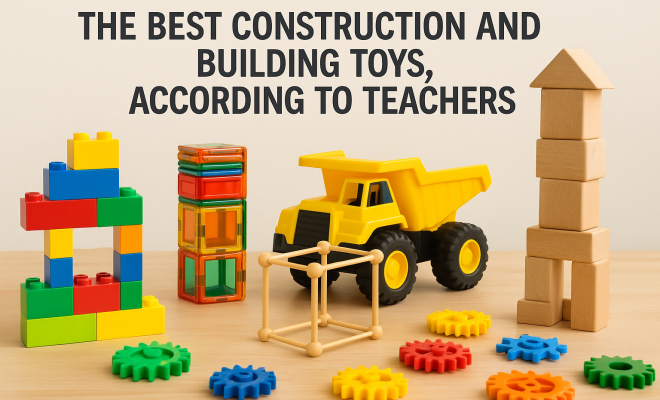
When it comes to fostering creativity and critical thinking in children, few things can compare to the magic of construction toys for kids. These hands-on learning tools not only entertain but also educate, making them a favorite among teachers and parents alike. With so many options on the market, it can be overwhelming to choose the best ones. Fortunately, educators have weighed in on their top picks, and we’re here to share their insights.
1. LEGO Classic Large Creative Brick Box: The Ultimate Building Block
LEGO has become synonymous with construction toys for kids, and the Classic Large Creative Brick Box stands out as one of their best offerings. This box is filled with a variety of colorful bricks, including different shapes and sizes, allowing for endless possibilities. Teachers frequently use LEGO in classrooms to encourage imaginative play and problem-solving skills.
The beauty of the LEGO Classic set is its versatility. Children can follow the included instruction booklet to create specific models or unleash their creativity by designing something entirely new. The tactile experience of snapping bricks together helps develop fine motor skills, while the open-ended nature of the toy nurtures creativity. Plus, with over 1,500 pieces, this set provides ample opportunities for collaborative play, fostering teamwork among classmates.
2. K’NEX Education Intro to Simple Machines Set: Engineering Fundamentals
If you want to take construction play a step further, the K’NEX Education Intro to Simple Machines Set is a fantastic option. This educational toolkit allows kids to build working models of simple machines, such as levers and pulleys. Teachers report that K’NEX fosters a deep understanding of engineering concepts while keeping children engaged.
One of the great aspects of K’NEX is that it encourages critical thinking. As students build and experiment with the mechanics of their projects, they’re not just playing but also learning essential STEM concepts. The accompanying lesson plans help educators integrate these lessons into their curriculum, making it a valuable tool for classrooms focused on science and math.
3. Magna-Tiles 100-Piece Set: Magnetic Creativity
Magna-Tiles have captured the attention of teachers and parents alike for their unique magnetic design that promotes three-dimensional thinking. These colorful, translucent tiles can be connected in various ways, allowing kids to create everything from simple shapes to complex structures. The hands-on experience of building with Magna-Tiles encourages spatial reasoning and creativity.
Teachers appreciate that Magna-Tiles can be used across different age groups and educational levels. Children can engage in free play or follow specific learning objectives set by their instructors. The tactile feedback and visual impact of the tiles help students understand concepts like symmetry and geometry. Furthermore, these toys are durable and safe, which is a relief for educators managing larger groups of students.
4. Brio Builder Construction Set: Classic Wooden Fun
Brio is well-known for its high-quality wooden toys, and the Brio Builder Construction Set is no exception. With its combination of wooden blocks and building rods, children can create a myriad of structures while learning the fundamentals of engineering. Teachers often highlight Brio’s durability and timeless appeal, which make it a staple in many classrooms.
The open-ended design of the Brio Builder encourages imaginative play, allowing kids to create everything from simple towers to intricate vehicles. The tactile nature of wooden blocks helps with sensory development, while the assembly process encourages problem-solving skills. As students collaborate on building projects, they also enhance their social skills and teamwork abilities. (See: U.S. Department of Education resources.)
5. Geomag Mechanics Gravity Set: Physics Meets Fun
The Geomag Mechanics Gravity Set combines the principles of physics with construction play, making it a favorite among educators. With its magnetic rods and spheres, children can create structures that defy gravity and experiment with balance and stability. Teachers have noted that this set not only captivates students’ attention but also promotes scientific inquiry.
As kids build and explore with the Geomag set, they develop a deeper understanding of concepts like magnetism and geometry. The ability to manipulate the structures and observe the effects of gravity in real-time fosters a love for science and engineering. This hands-on experience of construction toys for kids helps bridge the gap between theoretical knowledge and practical application.
6. Playmags Magnetic Tiles: Versatile and Colorful
Like Magna-Tiles, Playmags offer a magnetic building experience that encourages creativity and spatial awareness. This 100-piece set allows children to create a wide range of structures and shapes with magnetic tiles that easily snap together. Teachers frequently recommend Playmags for their durability, vibrant colors, and versatility.
Playmags provide an engaging way for children to explore geometry and design. Whether it’s creating a simple house or a complex castle, the possibilities are limited only by their imagination. This construction toy also promotes cooperative play; when kids work together, they practice communication skills and learn to appreciate different perspectives.
7. Fisher-Price Imaginext Construction Set: Building for Young Minds
For younger builders, the Fisher-Price Imaginext Construction Set is a perfect introduction to construction toys for kids. This set offers interactive features, such as lights and sounds, making the building experience more exciting. Teachers often highlight its safety and suitability for preschoolers, providing a great platform for skill development.
The Imaginext set encourages imaginative play while giving children the tools to understand basic construction principles. The large pieces are easy for little hands to grip, allowing for independent play and exploration. Educators appreciate that this set helps develop fine motor skills, hand-eye coordination, and early problem-solving abilities. (teaching math with Lego)
8. Benefits of Construction Toys for Kids: Beyond Fun and Games
Construction toys for kids do more than just entertain. They play a crucial role in cognitive and emotional development. Here’s a deeper look at the benefits:
- Critical Thinking: Construction toys require kids to think critically about how to make their structures stable and functional. This can lead to improved problem-solving skills.
- Creativity: The open-ended nature of many construction toys encourages children to think outside the box and express their unique ideas.
- Spatial Awareness: As children manipulate pieces, they develop a better understanding of spatial relationships—skills that can be applied in math, engineering, and everyday life.
- Collaboration: Working on building projects with peers fosters teamwork and communication skills, essential in both school and future careers.
- Confidence: Completing a building project gives kids a sense of accomplishment, boosting their confidence and encouraging them to take on new challenges.
9. Choosing the Right Construction Toys: A Parent’s Guide
With so many options out there, selecting the right construction toys can be daunting. Here are some tips to help you make the best choice:
- Age Appropriateness: Check the recommended age range on the packaging. Toys that are too complex may frustrate younger children, while those that are too simple may not engage older kids.
- Durability: Look for toys made from high-quality materials that can withstand rough play. This is especially important for younger kids who may be less gentle with their toys.
- Educational Value: Consider how the toy can contribute to your child’s learning. Toys that align with STEM education principles can offer added benefits.
- Reviews and Recommendations: Don’t just go by the packaging—check out online reviews and ask other parents and teachers for their recommendations.
- Interests and Preferences: Finally, consider your child’s interests. If they love building castles, for example, look for construction sets that allow for that creative expression.
10. Statistics on the Impact of Construction Toys
Research shows that engaging in play with construction toys can significantly impact children’s development. Here are some notable statistics: (See: New York Times education articles.)
- According to a study by the American Association of Pediatrics, children who play with construction toys exhibit improved problem-solving skills by 20% compared to those who do not.
- A survey conducted by a leading toy manufacturer found that 78% of educators believe that construction toys enhance spatial reasoning skills in children.
- Data from a child development research institute indicates that kids who regularly engage with construction toys tend to score higher in math and science assessments in later years.
11. Expert Perspectives on Construction Toys
Experts in child development and education frequently emphasize the importance of play in learning. Dr. Sarah Thompson, a child psychologist, notes, “Construction toys are not just a pastime; they’re essential tools for developing critical thinking and innovation in young minds. When children play with construction sets, they’re building more than just physical structures—they’re building cognitive frameworks for understanding the world around them.”
Similarly, educational consultant Mark Johnson states, “In an increasingly digital world, hands-on construction toys provide a vital counterbalance, allowing children to engage in tactile learning experiences that screens simply cannot replicate.”
12. Frequently Asked Questions (FAQ)
To help you navigate the world of construction toys for kids, here are some frequently asked questions:
What age is appropriate for construction toys?
Construction toys come with age recommendations, usually ranging from toddlers (2 years old) to pre-teens (12 years old). Always check the packaging for specifics.
Are construction toys safe for young children?
Yes, most reputable brands ensure their construction toys are made from non-toxic materials and have been tested for safety. It’s best to choose toys without small parts for younger children to avoid choking hazards.
Can construction toys help with academic skills?
Absolutely! Many construction toys focus on STEM concepts, enhancing skills in math, science, and engineering. They encourage logical reasoning and creativity.
How can I encourage my child to play with construction toys?
Engage with them by building together, setting challenges, or creating themed projects. Demonstrating enthusiasm and curiosity can inspire them to explore more.
What if my child prefers digital play?
While digital play has its benefits, it’s important to balance screen time with hands-on activities. You might introduce construction toys that incorporate technology, such as coding robots or augmented reality building kits, to bridge both worlds. (See: Research on educational toys and learning.) Related reading: online art resources for kids.
13. Comparative Analysis of Popular Construction Toys
Understanding the differences between various types of construction toys can help you choose the best options for your child. Let’s compare some of the most popular construction toys on the market:
- LEGO vs. K’NEX: While LEGO focuses on brick-based construction allowing for detailed designs, K’NEX emphasizes mechanical movement, helping children understand engineering principles. If your child enjoys intricate designs, LEGO might be the better choice, while those interested in mechanics may prefer K’NEX.
- Magna-Tiles vs. Playmags: Both offer magnetic building experiences, but Magna-Tiles come in a wider range of sizes and shapes, allowing for more complex structures. Playmags, while also versatile, focus more on color variety and simpler designs. Depending on your child’s preference for complexity or color, you might choose one over the other.
- Brio vs. Fisher-Price: Brio’s wooden sets cater to older children with more complex building possibilities, while Fisher-Price targets younger kids with larger, safer pieces. For toddlers, Fisher-Price is ideal, whereas Brio is better for older kids ready for a challenge.
14. The Future of Construction Toys
As technology continues to evolve, so do construction toys. Manufacturers are increasingly incorporating elements of augmented reality (AR) and virtual reality (VR) to enhance the play experience. For example, some toys now come with apps that allow children to visualize their creations in 3D or interact with virtual environments.
Additionally, we see a growing focus on sustainability in toy manufacturing. Eco-friendly materials and recyclable packaging are becoming the norm, appealing to environmentally conscious parents. It’s essential to stay updated on these trends, as they can significantly influence your purchase choices.
15. Tips for Maximizing Learning with Construction Toys
To get the most educational value out of construction toys, consider these strategies:
- Set Challenges: Challenge your child to build specific structures or solve particular problems, enhancing critical thinking.
- Incorporate Storytelling: Encourage your child to create stories around their constructions, which enhances creativity and narrative skills.
- Group Activities: Organize playdates where children can build together, promoting social skills and teamwork.
- Integrate Learning: Use construction toys as a way to discuss related topics, such as geometry, physics, or history.
The Lasting Impact of Construction Toys
Construction toys for kids are more than just fun; they are essential tools that can shape young minds. By engaging with these toys, children develop critical skills that will serve them throughout their lives. From enhancing creativity to teaching STEM concepts, the benefits of construction toys are both profound and lasting.
Teachers recommend these top seven construction toys for their educational value, versatility, and ability to foster essential skills in children. Whether they’re building towering structures or experimenting with engineering principles, these toys provide an engaging way to learn through play. Investing in high-quality construction toys can have a significant positive impact on a child’s developmental journey, making them a worthy addition to any educational setting.
“`
Trending Now
Frequently Asked Questions
What are the benefits of construction toys for kids?
Construction toys encourage creativity and critical thinking in children. They provide hands-on learning experiences that entertain while educating, helping kids develop fine motor skills and problem-solving abilities.
Which construction toys are recommended by teachers?
Teachers recommend toys like the LEGO Classic Large Creative Brick Box for its versatility and the K'NEX Education Intro to Simple Machines Set for its focus on engineering concepts, both of which foster imaginative play and critical thinking.
How do LEGO toys help in a classroom setting?
LEGO toys, such as the Classic Large Creative Brick Box, are frequently used in classrooms to promote imaginative play, teamwork, and fine motor skills. They allow students to build specific models or create their own designs, enhancing creativity.
What skills do K'NEX toys help develop?
K'NEX toys, particularly the Education Intro to Simple Machines Set, help develop engineering fundamentals and critical thinking skills. As children build and experiment with their projects, they gain a deeper understanding of mechanics and problem-solving.
Are construction toys suitable for collaborative play?
Yes, construction toys like the LEGO Classic set are ideal for collaborative play. With over 1,500 pieces, they encourage teamwork among classmates, allowing children to work together to build and create, enhancing social skills.
What’s your take on this? Share your thoughts in the comments below — we read every one.