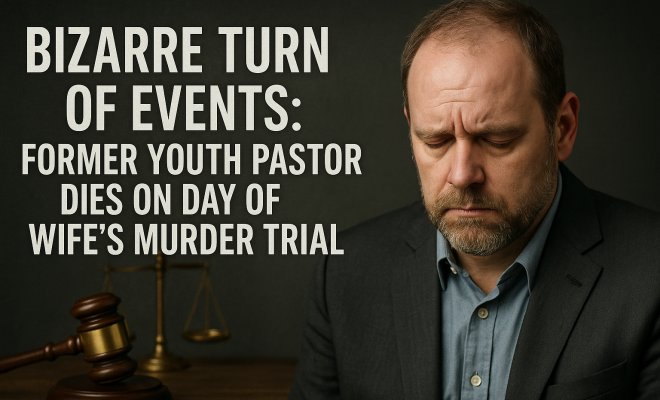
Ex-Youth Pastor Dies on Day of Wife’s 2024 Murder Trial
“`html
The legal world was rocked recently when a former youth pastor’s unexpected death coincided with the day he was set to appear in court regarding the murder of his wife. This shocking twist has captivated the public’s attention, igniting a flurry of social media discussion and sparking questions about the circumstances surrounding both his wife’s tragic death and his own.
The Background: A Shocking Allegation
The story began to unfold in 2024, when the former youth pastor, whose name has not been released pending official confirmation, was accused of killing his wife. The allegations struck a nerve, especially within their religious community, which has faced scrutiny over its handling of domestic issues. As details spilled out, the case attracted significant media attention, focusing on the juxtaposition of faith and the dark reality of alleged domestic violence.
In a deeply religious community, the idea that a youth pastor could be involved in such a heinous act was jarring. It forced members to confront uncomfortable truths about their institutions and the individuals they idolize. The tension escalated as the community anticipated the court proceedings, which promised to bring to light the complexities of the couple’s seemingly normal life.
The Fateful Day: A Court Appearance That Never Happened
On the day he was scheduled to appear in court, the former youth pastor was found dead. Authorities quickly launched an investigation into the circumstances surrounding his demise, considering the potential for foul play. The timing of his death raised eyebrows and fueled speculation about whether he had intentionally taken his own life to avoid facing the consequences of his alleged actions.
The news of his death has spread rapidly across social media platforms, amassing over 1.5 million shares and igniting a mix of disbelief and outrage. Comments on various platforms reflect a wide range of emotions: some users express sympathy, while others demand justice for his wife, raising questions about the integrity of the investigation into her death.
Community Reactions: Grief, Anger, and Skepticism
The reaction within the religious community has been multifaceted. Many congregants are grappling with feelings of betrayal and anger, questioning how someone they respected could be capable of such violence. Others have expressed sorrow for the loss of life, noting the tragedy of a family torn apart by violence.
This duality of emotion—grief for the pastor’s death and anger for the alleged crime—represents the complex reality of human relationships within tight-knit communities. For many, the former youth pastor was a leader, a figure of trust, and a source of inspiration. The sudden turn of events has left many wondering if they ever truly knew him.
Legal Implications: What Happens Next?
With the former youth pastor now deceased, questions arise about the future of the murder case. Legal experts speculate that the case against him may effectively die along with him, barring any additional evidence that could surface linking him to the crime. If his death is determined to be suspicious, the investigation into both his and his wife’s deaths may take a different direction.
Additionally, the community and the legal system may need to address the implications of domestic violence within a religious context. The case has already shed light on the challenges victims face when their abusers are members of respected institutions. This reality could prompt discussions around how these communities support victims and hold alleged perpetrators accountable.
The Investigation: Natural Causes or Suspicion?
As authorities continue their investigation into the former youth pastor’s death, the question remains: was it natural causes, or was there foul play involved? Early reports suggested that the circumstances were unusual and warranted further scrutiny.
Medical examiners will conduct tests to determine the cause of death, and investigators will likely explore any connections to the murder case. This dual investigation may uncover more about the dynamics of the couple’s relationship, providing insights into the events leading up to both deaths. (See: CDC on intimate partner violence.)
Social Media’s Role: A Double-Edged Sword
The role of social media in shaping public perception of this case cannot be overstated. The rapid spread of information—some factual, some speculative—has sparked widespread debate and engagement. Users have shared their thoughts, theories, and condolences, turning the story into a viral sensation.
However, this platform can also amplify misinformation, creating a dangerous environment where speculation outweighs fact. The demand for answers reflects a societal thirst for closure, yet it also raises ethical questions about the impact of public opinion on ongoing investigations and the individuals involved.
The Wider Implications: Domestic Violence Awareness
This tragic case has resonated beyond the immediate parties involved, prompting broader conversations about domestic violence, particularly within religious institutions. The former youth pastor’s death has shone a light on how communities often overlook or dismiss these issues, prioritizing reputation over the safety of individuals.
Advocacy groups have begun to use this case as a focal point to emphasize the importance of recognizing and addressing domestic violence. They argue for better support systems for victims, urging communities to prioritize safety and transparency over silence and shame. In confronting uncomfortable truths, perhaps change can be initiated within communities that have historically turned a blind eye.
The Role of Mental Health Support in Religious Communities
The case surrounding the former youth pastor highlights another critical aspect: the provision and accessibility of mental health support within religious communities. Faith-based organizations often focus on spiritual guidance but may neglect the mental health needs of their congregants. This oversight can lead to devastating consequences, particularly in situations involving abuse or domestic violence.
Many religious leaders are not trained mental health professionals, which can result in inadequate responses to individuals seeking help. In the wake of this tragedy, it’s essential for faith communities to consider how they can integrate mental health resources into their support systems. Collaboration with mental health professionals and organizations can help create safe spaces for individuals to seek help without fear of stigma or rejection.
Statistics on Domestic Violence in Religious Communities
Quantifying domestic violence within religious communities can be challenging due to the stigma attached to discussing these issues openly. However, research shows that domestic abuse occurs in all communities, including those that are religious. A study by the Institute for Family Studies found that 28% of women in evangelical churches report experiencing some form of abuse.
Moreover, a survey conducted by Lifeway Research indicated that only 35% of churchgoers believe their church is prepared to handle domestic abuse situations effectively. These statistics underscore the urgent need for faith communities to take a proactive stance in addressing domestic violence and providing resources to assist victims.
Expert Perspectives on the Case
Experts in both legal and psychological fields have weighed in on the implications of this tragic case. Dr. Sarah Thompson, a clinical psychologist specializing in domestic violence, emphasized the importance of understanding the complex dynamics that can exist in abusive relationships. “Victims often feel trapped in a cycle of abuse and may stay with their partners out of fear or a sense of obligation,” she explains. “This case serves as a crucial reminder that behind every headline is a story of pain and suffering that needs to be addressed.”
Legal professionals have also shared their thoughts. Attorney Michael Rodriguez stated that the case could spark necessary conversations about the treatment of domestic violence cases within the justice system, especially in religious contexts. “We need to scrutinize how the legal system interacts with communities of faith—are we prioritizing a community’s reputation over the safety of individuals?” he said. “This case is a wake-up call.”
Frequently Asked Questions (FAQ)
What happened to the former youth pastor?
The former youth pastor was found dead on the day he was scheduled to appear in court for the alleged murder of his wife. The circumstances surrounding his death are under investigation to determine if it was natural causes or foul play.
What were the allegations against him?
He was accused of murdering his wife, which shocked the community that revered him as a youth pastor. The case drew significant media attention due to the alleged domestic violence involved. (See: Associated Press news coverage.)
Why is the community reacting so strongly to this case?
The community is grappling with feelings of betrayal, anger, and grief. The former youth pastor was a trusted figure, and the allegations against him have forced many to reevaluate their perceptions of him and the safety of their community.
How can religious communities better address domestic violence?
Religious communities can improve by integrating mental health resources, training leaders on recognizing and responding to domestic violence, and creating safe spaces for victims to seek help without fear of judgment.
What are some statistics related to domestic violence in religious communities?
Research indicates that approximately 28% of women in evangelical churches report experiencing abuse. Additionally, only 35% of churchgoers believe their church is adequately prepared to handle domestic violence situations.
Understanding the Aftermath: Counseling and Support Groups
In the wake of this tragedy, the need for counseling and support groups cannot be overstated. Survivors of domestic violence often require a safe environment to share their stories and heal from trauma. Faith communities can take proactive steps by establishing support groups specifically designed to address these sensitive topics.
Such groups can provide a crucial outlet for victims while helping to foster a culture of openness and acceptance. Regular meetings led by trained facilitators can empower individuals to speak out and seek help. Additionally, these groups can serve as educational platforms, raising awareness about the signs of domestic abuse and available resources.
Churches and religious organizations should also consider hosting workshops focused on healthy relationships, conflict resolution, and understanding the dynamics of power and control in relationships. By incorporating these topics into their programming, faith communities can play a pivotal role in prevention and education.
The Importance of Transparency in Investigations
The investigation into the former youth pastor’s death and the ongoing inquiries into his wife’s murder highlight the necessity for transparency in the legal process. When communities perceive a lack of clarity, it can foster distrust between authorities and the public. The importance of open communication cannot be overstated; it builds trust and reassures the community that justice is being pursued diligently.
As investigations unfold, authorities should provide updates that respect the sensitivity of the case while keeping the public informed. Transparency is especially critical in cases involving domestic violence, where fears of retribution and stigma can silence victims and witnesses alike. Ensuring that the community feels engaged in the process may encourage more individuals to come forward with information, ultimately aiding in the pursuit of justice.
Raising Awareness: The Role of Social Media Campaigns
In the age of social media, campaigns aimed at raising awareness about domestic violence can gain traction quickly. Following this case, organizations and advocates have begun mobilizing online initiatives to educate individuals about the signs of abuse and how to seek help. Hashtags, viral posts, and shared stories can create a sense of urgency and solidarity, encouraging individuals to break the silence surrounding domestic violence.
These campaigns can include sharing statistics, personal narratives, and resources for support. Engaging local influencers and public figures can amplify the message and reach a broader audience, driving home the point that domestic violence can happen anywhere—even in seemingly perfect communities. (See: New York Times reporting.)
Comparative Analysis: Domestic Violence Awareness Across Different Religions
Understanding how different religious communities address domestic violence can provide insight into the unique challenges and solutions each faces. For instance, while some faiths have made significant strides in addressing domestic violence, others may still be grappling with outdated beliefs that prioritize preserving family reputation over ensuring safety.
In Judaism, organizations such as Shalom Bayit have emerged, focusing on educating the community about domestic violence and promoting healthy relationships. Similarly, the Catholic Church has begun efforts to address these issues, emphasizing counseling and support for victims. However, some evangelical communities may still struggle with the stigma of discussing domestic violence, leading to underreporting and inadequate support systems.
By examining these differences, communities can learn from one another, adopting best practices and implementing effective strategies to create safer environments for all individuals.
The Path Forward: Creating Safe Spaces Within Faith Communities
The tragic circumstances surrounding the former youth pastor and his wife underscore the urgent need for change within religious communities. Creating safe spaces where individuals can speak openly about their experiences with domestic violence is imperative. Faith leaders should be equipped with the tools and training necessary to respond appropriately to disclosures of abuse.
This shift requires a collective commitment from both clergy and congregants to not only address ongoing issues but to prevent future occurrences. Establishing a culture of accountability, where everyone feels responsible for the safety of their community, can lead to significant change. This might include implementing policies on how to handle allegations of abuse, offering training sessions for church leaders, and ensuring that support services are available and easily accessible.
While the tragic events surrounding the former youth pastor’s death may be a painful chapter for the community, they also present an opportunity for healing and growth. By prioritizing awareness, education, and support, faith communities can take thoughtful steps toward building a safer, more compassionate environment for everyone.
Conclusion: A Disturbing Legacy
The former youth pastor’s death on the day he was supposed to defend himself in court leaves a chilling legacy. It serves as a stark reminder of how appearances can be deceiving and how tragic outcomes can emerge from circumstances that appear ordinary. The intertwining of faith, violence, and loss in this narrative challenges us to reflect on our own perceptions of trust and authority, particularly within close-knit communities.
As investigations continue, and as discussions around domestic violence gain momentum, it’s crucial to ensure that the memory of the victims—both the former youth pastor’s wife and, in a different sense, the pastor himself—aren’t overshadowed by the tragedy of their deaths. Their stories must be told, and lessons learned must extend beyond this one heartbreaking incident.
“`
Trending Now
Frequently Asked Questions
What happened to the former youth pastor accused of murder?
The former youth pastor was found dead on the day he was scheduled to appear in court for the murder trial of his wife. His unexpected death has raised questions about the circumstances surrounding both his demise and the allegations against him.
What were the allegations against the former youth pastor?
He was accused of killing his wife, which shocked their religious community. The case highlighted issues of domestic violence within faith-based institutions, prompting discussions about the darker realities behind seemingly normal lives.
How did the community react to the news of the pastor's death?
The community was left in disbelief and outrage following the news of the pastor's death. Social media exploded with mixed reactions, ranging from sympathy to speculation about whether he took his own life to avoid facing the trial.
What sparked the investigation into the pastor's death?
Authorities launched an investigation into the former youth pastor's death due to its suspicious timing, coinciding with his court appearance. They considered the possibility of foul play or suicide as explanations for the tragic event.
What impact did this case have on the religious community?
The case forced the religious community to confront uncomfortable truths about domestic violence and the individuals they idolize. It sparked critical discussions about faith, morality, and the hidden struggles within their institutions.
What’s your take on this? Share your thoughts in the comments below — we read every one.