5 of the Best Classroom Plants (Even if You Have a Black Thumb)
“`html
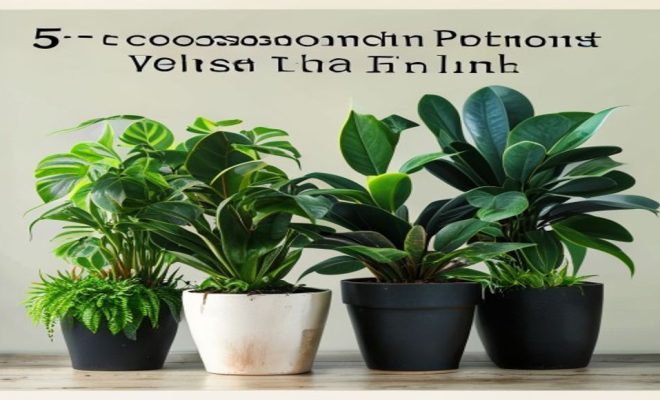
Classroom plants can bring life to any learning environment, improving air quality and enhancing student focus. However, many teachers or administrators might hesitate to introduce greenery into their classrooms due to concerns about upkeep, especially if they don’t consider themselves to have a green thumb. Fortunately, there are plenty of low-maintenance options that can thrive in educational settings. Here are five of the best classroom plants that are perfect for those who might struggle with plant care.
1. Snake Plant (Sansevieria)
The snake plant, also known as mother-in-law’s tongue, is a hardy houseplant that can survive in a variety of conditions. With its striking sword-like leaves, which can grow up to three feet tall, it makes a bold statement in any classroom. One of the key benefits of the snake plant is its resilience; it can tolerate low light and infrequent watering, making it ideal for busy classrooms.
Moreover, snake plants are known for their air-purifying abilities. They can filter out harmful toxins such as formaldehyde and benzene from the air, which can be especially beneficial in a classroom setting where students spend significant time. Just be sure not to overwater them, as they prefer their soil to dry out completely between waterings.
2. Pothos (Epipremnum aureum)
Pothos is another popular choice for classroom plants, loved for its cascading vines and heart-shaped leaves. This tropical plant is incredibly forgiving, managing well in various light conditions, from low light to bright, indirect sunlight. It’s also a champion at purifying the air, removing pollutants and improving indoor air quality.
One of the standout features of pothos is its tolerance for neglect. You can water it infrequently, and it will bounce back without a hitch. This makes it an excellent option for teachers who might forget to water from time to time. Additionally, pothos can be easily propagated—just cut a stem, place it in water, and watch it grow roots. This means you can potentially fill your classroom with even more plants without spending a dime!
3. ZZ Plant (Zamioculcas zamiifolia)
The ZZ plant is often dubbed the “indestructible” plant, and for good reason. With its glossy, dark green leaves, it can thrive in low light, requiring minimal care. The ZZ plant is native to Africa and has adapted to survive in drought conditions, meaning it doesn’t need frequent watering. In fact, overwatering can lead to root rot, so it’s better to err on the side of caution.
This plant’s robust nature makes it ideal for classrooms where students might not handle plants delicately. The ZZ plant also has the added benefit of improving air quality—making it a perfect educational companion. Just be aware that while the ZZ plant is low-maintenance, it is toxic if ingested, so it’s essential to educate students about its care and handling.
4. Spider Plant (Chlorophytum comosum)
The spider plant is a classic choice for classrooms, known for its ability to thrive under various conditions. Its arching green and white striped leaves make it visually appealing, and its ability to produce “pups” or offshoots allows for easy propagation and expansion of your classroom’s greenery.
Spider plants are incredibly resilient and can tolerate neglect, making them perfect for busy educators. They prefer bright, indirect sunlight but can also adapt to lower light conditions. Plus, they excel in air purification, reducing indoor pollutants and improving overall air quality. With a little love and minimal effort, spider plants can flourish and even provide the opportunity for students to learn about plant propagation and care.
5. Peace Lily (Spathiphyllum)
The peace lily is not just another beautiful classroom plant; it also boasts remarkable air-purifying qualities. Its glossy green leaves and striking white flowers add a touch of elegance to any space. Peace lilies are particularly forgiving of neglect, thriving in low light and only needing to be watered when the soil feels dry to the touch. (See: air-purifying abilities of plants.)
While peace lilies can tolerate lower light levels, placing them in a bright, indirect light setting can encourage more blooms. Additionally, they are excellent at removing common indoor air pollutants like ammonia and formaldehyde. However, it’s essential to keep in mind that peace lilies are mildly toxic if ingested, so students should be reminded not to munch on the leaves.
Why Classroom Plants Matter
Integrating classroom plants is not just about aesthetics; it plays an essential role in creating a conducive learning environment. Studies have shown that plants can reduce stress and increase concentration among students. The presence of greenery creates a calming atmosphere, which can help in reducing anxiety associated with academic pressures.
Furthermore, having plants in the classroom introduces students to concepts of biology and ecology. They can learn about photosynthesis, the water cycle, and the importance of plants in our ecosystem. This hands-on experience is invaluable in fostering a sense of responsibility and care for living things.
Benefits of Classroom Plants
Classroom plants offer a myriad of benefits that extend beyond just aesthetics. For one, they contribute to improved air quality by absorbing carbon dioxide and releasing oxygen. A study published in the Journal of Environmental Horticulture found that plants can remove up to 87% of harmful indoor air pollutants within 24 hours. In a classroom environment, this can lead to healthier air for students and teachers alike.
Additionally, plants can help enhance creativity and productivity. Research from the University of Queensland found that the presence of plants in workspaces can increase creativity by 45% and productivity by up to 30%. Imagine the positive impact this could have on students working on group projects or tackling challenging assignments. The calming effect of plants can promote a more conducive environment for learning and collaboration.
Tips for Caring for Classroom Plants
Caring for classroom plants doesn’t have to be overwhelming. Here are a few tips to help ensure that your plants thrive:
- Choose the right location: Ensure that plants get the right amount of light based on their needs. Some plants prefer bright light, while others thrive in shade.
- Water wisely: Overwatering is a common mistake. Always check the soil’s moisture before watering, and adjust your schedule according to the plant’s needs.
- Encourage student involvement: Get students involved in the care routine. Assign plant care responsibilities, allowing them to take ownership and learn about nurturing living things.
- Regularly check for pests: Keep an eye on your plants for signs of pests or diseases. Early detection can prevent larger issues down the line.
- Use quality potting soil: The right soil mix will ensure proper drainage and nutrient availability. Look for potting mixes designed for indoor plants.
- Fertilize periodically: Use a balanced, water-soluble fertilizer every few months to promote healthy growth. Be cautious not to over-fertilize, which can harm the plants.
Integrating Plants into the Curriculum
Classroom plants can also serve as powerful educational tools. Teachers can integrate plant care into various subjects such as science, art, and even math. For example, students can track the growth of a plant over time, learning about measurement and data collection. Art projects can include drawing plants, while science lessons can delve into the life cycles of plants and their roles in ecosystems.
Furthermore, students can engage in experiments to learn about plant needs, such as light and water, fostering curiosity and critical thinking. By involving students in the plant’s growth journey, they can develop a deeper appreciation for nature and the environment. This active learning approach can enhance retention of information and cultivate a sense of responsibility.
Choosing the Right Containers
When selecting plants for a classroom, the choice of containers can also impact their growth and care. Consider using pots with drainage holes to prevent water from accumulating at the bottom, which can lead to root rot. Self-watering pots are also a great option, as they can assist in maintaining consistent moisture levels without daily monitoring.
Decorative pots can make a classroom feel more inviting. Choose bright colors or fun patterns that match the room’s decor. You could even involve students in the decoration process, allowing them to personalize their plant’s pot. This not only creates a sense of ownership but also adds a creative element to plant care.
Common Challenges and Solutions
Even with low-maintenance plants, challenges can arise. Some common issues include pests, wilting, or yellowing leaves. Understanding the signs of stress in plants can help in providing timely interventions. For example, if a plant is wilting, it may need more water, while yellowing leaves might indicate overwatering or nutrient deficiencies. (See: indoor air pollutants and health problems.)
When faced with pests, a gentle soap solution can often deter common invaders like spider mites or aphids. Regular monitoring and a quick response can keep your classroom plants healthy and vibrant. Additionally, educating students on these challenges equips them with the knowledge to care for the plants more effectively.
FAQ About Classroom Plants
What are the best classroom plants for beginners?
Some of the best classroom plants for beginners include snake plants, pothos, ZZ plants, spider plants, and peace lilies. These plants are resilient and require minimal care, making them perfect for busy classrooms.
How often should I water classroom plants?
The frequency of watering depends on the type of plant and the environment. Generally, it’s best to check the soil moisture before watering. Most classroom plants prefer to dry out slightly between waterings, so aim for about once a week or every two weeks, depending on the plant and the season.
Can I use artificial plants in the classroom instead?
While artificial plants can add visual appeal without the upkeep, they lack the air-purifying benefits and educational opportunities that real plants provide. If possible, opt for live plants to create a more enriching environment for students.
Are classroom plants safe for children?
Most classroom plants are safe, but some can be mildly toxic if ingested. It’s essential to research each plant and educate students about which plants are safe to touch and which are not. Keeping potentially toxic plants out of reach can help ensure safety.
How can I involve students in plant care?
Encourage student involvement by assigning specific plant care tasks, such as watering, checking for pests, or documenting growth. You can also have students create journals to track the progress of their assigned plant, turning plant care into an engaging classroom project.
Choosing the Right Plants for Different Classroom Settings
When selecting classroom plants, it’s important to consider the unique environment of your classroom. Factors such as light availability, humidity, and temperature can influence which plants will thrive. For instance, a classroom with large windows may be suitable for more light-demanding plants like succulents or flowering varieties. In contrast, a room with minimal natural light would benefit more from shade-loving plants like snake plants or ZZ plants.
It’s also essential to think about the size of the plants. Larger plants can provide a striking focal point but may take up significant space. Smaller plants can be placed on desks or shelves and might be easier for students to engage with. Balancing aesthetics with practicality is key when incorporating greenery into your classroom.
Plants and Student Engagement
Integrating plants into the classroom doesn’t just improve air quality; it can also foster student engagement. Hands-on activities like planting seeds, taking care of the plants, and observing their growth can significantly enrich the learning experience. Studies show that students who participate in gardening and plant care develop a greater understanding of biology and ecology. They learn patience and responsibility as they nurture their plants, which translates into other areas of their studies.
For example, teachers can organize mini-science projects where students can hypothesize how changes like light and water affect plant growth. This hands-on experience reinforces scientific principles and encourages curiosity and experimentation. (See: benefits of classroom plants.)
Seasonal Considerations for Classroom Plants
Classroom plants may require different care depending on the season. During warmer months, you might find that plants need more frequent watering due to higher evaporation rates. Conversely, in winter, when indoor heating can dry out the air, plants may need additional humidity. Teachers can engage students by discussing how changes in seasons affect plant care, connecting it to real-world observations.
For instance, creating a classroom calendar that tracks watering schedules, light changes, and growth milestones can be a fun way for students to stay involved. This teaches them about seasonal cycles and the ongoing needs of living organisms.
Creating a Plant Care Team
Creating a plant care team can be an exciting way to involve students in the responsibility of looking after classroom plants. Assigning roles such as Watering Captain, Pest Patrol, and Growth Tracker helps students feel invested in the health of the plants. Rotating these responsibilities can ensure that all students get hands-on experience while building teamwork skills.
As students take ownership of their roles, they can also document their experiences. Keeping a plant care journal, where they note observations, changes, and even challenges, can foster reflection and deeper learning. This not only reinforces their observational skills but also encourages problem-solving as they face different plant care issues.
Potential Alternatives: Edible Classroom Plants
For a more interactive and educational experience, consider incorporating edible plants into your classroom. Herbs like basil, mint, or parsley can be grown in small pots and serve as not only a visual focal point but also a source of learning about nutrition and ecology. Students can learn about the plant life cycle, while also having the opportunity to taste the fruits of their labor, quite literally!
Edible plants can lead to discussions about where food comes from and the importance of sustainable practices. You can even tie this into cooking classes or science experiments, showcasing how plants contribute to our diets and overall well-being.
Conclusion: Embrace the Green in Your Classroom
Introducing classroom plants is a simple yet effective way to enhance the educational environment. The right plants can flourish even under minimal care, making them perfect for educators with busy schedules. From the resilient snake plant to the charming peace lily, these options provide beauty and functionality. By fostering a love for plants, you not only enrich your classroom’s atmosphere but also instill valuable lessons about nature and responsibility in your students.
“`
Trending Now
Frequently Asked Questions
What are the best classroom plants for beginners?
Some of the best classroom plants for beginners include the snake plant and pothos. Both are low-maintenance, resilient, and can thrive in various light conditions, making them perfect for educators who may not have a lot of experience with plant care.
How do classroom plants improve air quality?
Classroom plants like snake plants and pothos are known for their air-purifying abilities. They filter out harmful toxins, such as formaldehyde and benzene, which helps improve indoor air quality and creates a healthier learning environment for students.
Can classroom plants survive with little light?
Yes, many classroom plants, including the snake plant and pothos, can survive in low light conditions. They are adaptable and can thrive even in environments where natural light is limited, making them ideal for classrooms.
How often should I water classroom plants?
Classroom plants like snake plants prefer their soil to dry out completely between waterings, while pothos can tolerate infrequent watering. It's best to check the soil moisture before watering to avoid overwatering, which can harm the plants.
What are the benefits of having plants in the classroom?
Having plants in the classroom can enhance student focus, improve air quality, and create a more inviting atmosphere. They provide a sense of nature, which can positively impact students' mood and overall learning experience.
What’s your take on this? Share your thoughts in the comments below — we read every one.