Subduction & Oxygenation: Shaping Life on Earth
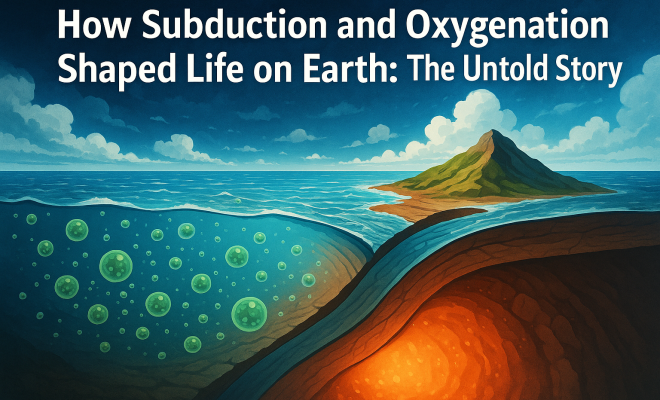
“`html
Understanding Earth’s history is a complex narrative that intertwines geology, climate, and the evolution of life. One of the pivotal questions in Earth science revolves around oxygenation—the process that transformed our atmosphere and made complex life possible. A recent study published in the Proceedings of the National Academy of Sciences (PNAS) suggests that the phenomenon of subduction, where one tectonic plate sinks beneath another, has played a crucial role in this long-term oxygenation of Earth’s surface. This article delves into the intricate relationship between subduction and oxygenation, exploring how this tectonic process has influenced the very foundations of life on our planet.
1. The Basics of Subduction: Understanding the Process
Subduction is a fundamental geological process that occurs at convergent plate boundaries. Here, one tectonic plate, often an oceanic plate, is forced down into the mantle beneath a second, usually continental plate. This interaction results in significant geological phenomena, including the formation of mountain ranges, volcanic activity, and earthquakes. The depth and thermal state of the subducting plate can vary greatly, which influences not only geological activity but also the chemical composition of the materials being recycled back into the mantle.
As tectonic plates subduct, they carry with them water, carbon, and other essential elements. This process is integral to the Earth’s mineral cycle and plays a critical role in regulating the atmosphere’s composition. The new study highlights how variations in the thermal state of subduction zones over geological time have had a profound impact on the long-term levels of oxygen in the atmosphere.
2. The Link Between Subduction and Oxygenation: How They Interact
The study posits that changes in subduction dynamics have modulated the long-term oxygenation of Earth’s surface. As tectonic activity influences the recycling of materials, it also affects the planet’s climate and atmospheric composition. During periods of intense subduction, the release of gases and minerals can lead to significant changes in surface oxygen levels.
Furthermore, the thermal state of subducting plates determines how these materials are released back into the atmosphere. A hotter subduction zone can lead to more efficient recycling of materials, releasing more oxygen into the atmosphere over millions of years. Conversely, cooler subduction zones might result in less oxygenation, suggesting a direct link between tectonic activity and the atmosphere’s oxygen content.
3. Earth’s Oxygenation Timeline: A Geological Perspective
To comprehend the significance of subduction in oxygenation, it is essential to explore Earth’s oxygenation timeline. The Great Oxidation Event (GOE), occurring around 2.4 billion years ago, marks a significant increase in atmospheric oxygen levels. This period is believed to be a turning point, allowing aerobic life forms to flourish.
Long before the GOE, during the Archean Eon, Earth’s atmosphere was primarily composed of methane, ammonia, and other gases. The gradual rise in oxygen levels correlates with increased tectonic activity, particularly subduction processes that facilitated the release of oxygen-rich compounds. The ongoing interactions between the Earth’s plates not only influenced the climate but also the evolution of life forms, setting the stage for the diverse ecosystems we observe today.
4. Subduction and Climate Change: Their Interconnectedness
The study underscores the relationship between subduction and climate change, particularly how subduction influences greenhouse gas levels. As plates subduct and release volatile compounds, they can either contribute to or mitigate global warming.
For instance, the release of carbon dioxide during subduction can lead to warming, while increased oxygen levels can enhance the planet’s capacity to support life. Therefore, understanding subduction and its influence on oxygenation provides critical insights into Earth’s climatic history. This interconnectedness highlights the need for a holistic approach to studying Earth’s geological and atmospheric evolution.
5. Implications for Life on Earth: The Evolutionary Perspective
The implications of subduction and oxygenation extend far beyond geology. The rise in atmospheric oxygen has been directly linked to the development of complex life forms. With the advent of oxygen-rich environments, multicellular organisms could thrive, leading to the diverse biological landscapes we see today. (See: Understanding subduction process.)
Prior to significant oxygenation, life was predominantly unicellular and anaerobic. The introduction of oxygen allowed for cellular respiration, which is vastly more efficient than anaerobic processes. This evolutionary leap not only enabled the proliferation of life but also paved the way for more complex organisms, including plants, animals, and eventually humans. The intricate dance between tectonic activity and oxygen levels underscores the powerful interplay between geology and biology.
6. Geological Evidence Supporting the Study: A Rock Solid Foundation
The PNAS study draws upon extensive geological evidence to support its claims. Researchers analyzed rock samples and identified the geochemical signatures that indicate periods of heightened subduction activity. These analyses revealed correlations between subduction intensity and oxygenation levels, suggesting that past geological events can provide valuable insights into present conditions.
In addition, sediment records from ancient ocean floors give context to the timing of oxygenation events. By studying these records, scientists can reconstruct the Earth’s atmospheric evolution and determine how tectonic processes have influenced this trajectory over billions of years. The findings emphasize the importance of integrating geological evidence into our understanding of atmospheric science.
7. Modern-Day Subduction Zones: Impacts on Current Oxygen Levels
Today’s subduction zones continue to play a crucial role in influencing the Earth’s atmospheric composition. Regions such as the Pacific Ring of Fire are characterized by active subduction processes, where tectonic plates are constantly interacting. The ongoing geological activity in these zones can impact oxygen production and greenhouse gas emissions, affecting current climate conditions.
As researchers continue to monitor these regions, it becomes evident that understanding contemporary subduction dynamics is essential for predicting future atmospheric changes. The interactions between tectonic plates can lead to natural disasters such as earthquakes and volcanic eruptions, which also have implications for atmospheric chemistry. Thus, the study of subduction and oxygenation is not just a historical inquiry; it has real-world relevance for addressing climate change and environmental sustainability issues.
8. The Future of Subduction Research: Uncovering More Mysteries
The ongoing research into subduction and oxygenation opens the door to numerous future investigations. As scientists delve deeper into Earth’s geological history, new questions arise about how these processes will evolve in response to current environmental changes. For instance, how will anthropogenic influences affect subduction-related oxygenation in the future?
Moreover, advancements in technology, such as improved seismic imaging and geochemical analysis, will allow researchers to gain a more nuanced understanding of subduction processes. These tools can provide insights into the mechanisms driving tectonic activity and its implications for atmospheric conditions, leading to a more comprehensive understanding of Earth’s dynamic systems.
9. Comparative Analysis of Subduction Zones: Global Perspectives
Subduction zones are not uniform; they exhibit a variety of characteristics depending on their geographical location and the specific tectonic plates involved. For example, the Japan Trench is characterized by deep oceanic trenches and intense seismic activity, making it one of the most studied subduction zones. In contrast, the Andes mountain range, formed by the subduction of the Nazca Plate under the South American Plate, is known for its volcanic activity and biodiversity.
Such differences illustrate how specific subduction settings can lead to varying impacts on oxygenation and climate. Regions with high volcanic activity, such as the Andes, may contribute more significantly to atmospheric carbon dioxide levels compared to less active zones. Additionally, the Pacific Plate’s subduction under the North American Plate creates unique geological features and contributes to the release of essential minerals that influence marine ecosystems.
10. Subduction and Biogeochemical Cycles: A Deeper Connection
The interaction between subduction and biogeochemical cycles is another critical aspect of understanding oxygenation. Subduction zones facilitate the recycling of nutrients, such as nitrogen and phosphorus, back into the ocean and atmosphere. These nutrients play a vital role in oceanic productivity and, consequently, in global oxygen production through photosynthesis. (See: Role of subduction zones in Earth's cycle.)
Studies indicate that regions with active subduction zones often support higher rates of primary productivity in surrounding waters. This productivity directly correlates with oxygen levels in the atmosphere, as oceanic phytoplankton consume carbon dioxide and produce oxygen. Therefore, understanding the dynamics of nutrient cycling in these areas is crucial for comprehending the broader implications of subduction on Earth’s oxygenation processes.
11. Potential Risks and Future Concerns: Climate Change and Subduction
As our planet faces the challenges posed by climate change, understanding the future of subduction processes becomes increasingly important. The melting of polar ice caps and rising sea levels may influence tectonic activity, potentially impacting subduction zones worldwide. For instance, increased water weight on tectonic plates could alter their movement and stress levels, leading to changes in subduction dynamics. This builds on Ancient tectonic plate insights.
Moreover, as the Earth’s climate warms, the feedback loop between subduction, oxygenation, and atmospheric composition may exacerbate existing environmental issues. Increased volcanic activity from subduction zones could release more carbon dioxide, further intensifying global warming. Evaluating these potential risks is essential for developing effective strategies to mitigate climate impacts and protect our planet’s ecosystems.
12. FAQs on Subduction and Oxygenation
What is subduction?
Subduction is the geological process where one tectonic plate moves under another and sinks into the mantle, leading to various geological phenomena. There’s a fuller look at Current climate history analysis.
How does subduction influence atmospheric oxygen levels?
Subduction influences atmospheric oxygen levels by recycling materials, including water and carbon, back into the mantle. The thermal state of the subducting plate determines how efficiently these materials are released back into the atmosphere as oxygen-rich compounds.
What are the effects of subduction on climate change?
The effects of subduction on climate change include the release of greenhouse gases like carbon dioxide, which can contribute to warming, while increased oxygenation can enhance the vitality of life on Earth, influencing ecological balances.
How has Earth’s oxygenation timeline evolved?
Earth’s oxygenation timeline has evolved significantly from the Archean Eon, through the Great Oxidation Event, and into periods of complex life development, with subduction playing a crucial role in this evolution.
What modern-day implications does subduction have?
Modern-day implications of subduction include its impact on current atmospheric conditions and climate change, as well as its role in natural disasters which affect human populations and ecosystems.
How does subduction affect marine ecosystems?
Subduction zones contribute to the nutrients available in marine environments, which can enhance primary productivity and support diverse marine ecosystems. The release of minerals during subduction processes can lead to nutrient-rich waters that promote phytoplankton growth, thus influencing the entire food web. (See: Scientific insights on tectonic processes.)
What technologies are being used to study subduction zones?
Modern technologies such as satellite remote sensing, seismic imaging, and geochemical analysis are being employed to study subduction zones. These tools help scientists monitor tectonic movements, analyze geological formations, and understand the chemical processes involved in subduction, providing a clearer picture of their impact on oxygenation and climate.
13. Case Studies of Notable Subduction Zones: Learning from Specific Examples
Examining notable subduction zones around the world provides valuable insights into the relationship between subduction and oxygenation. The Japan Trench, for example, has been the focus of extensive research due to its seismic activity and the implications this has for understanding oxygen levels in the surrounding marine environment.
Studies have shown that the subduction of the Pacific Plate beneath the North American Plate leads to the release of nutrients that enhance marine productivity. In turn, this increased productivity supports higher levels of oxygen in the waters, illustrating the direct connection between geological processes and biological outcomes.
14. Global Initiatives on Climate Change and Subduction Research: Collaborative Efforts
As the implications of subduction zones on climatic and ecological conditions become clearer, global initiatives have begun to focus on integrating geological research with climate action plans. Collaborative efforts among scientists, governments, and environmental organizations aim to enhance our understanding of how geological processes can be monitored and managed to mitigate climate change impacts.
For instance, international workshops and conferences are bringing together experts from various fields—geology, oceanography, climatology—to share insights and develop strategies for sustainable management of subduction zone impacts. These initiatives are vital for creating a comprehensive approach to tackling climate change, as they consider both geological and atmospheric factors.
15. Conclusion: The Importance of Understanding Subduction and Oxygenation
The intricate relationship between subduction and oxygenation represents a critical area of study within Earth sciences. By examining how subduction processes have influenced long-term atmospheric changes, researchers can better understand the conditions that allowed complex life to flourish. This knowledge is vital, not only for appreciating Earth’s past but also for addressing the challenges posed by contemporary climate change.
As we continue to explore the depths of our planet and unravel its mysteries, the study of subduction and oxygenation will remain a cornerstone of our quest to understand the complexities of Earth’s systems. This relationship is not merely an academic curiosity; it has profound implications for our survival and stewardship of the planet.
“`
Trending Now
Frequently Asked Questions
What is subduction and how does it work?
Subduction is a geological process occurring at convergent plate boundaries where one tectonic plate, typically an oceanic plate, is forced beneath another, usually continental plate. This process leads to significant geological phenomena, such as volcanic activity and earthquakes, and plays a crucial role in recycling materials back into the Earth's mantle.
How does subduction affect Earth's atmosphere?
Subduction influences Earth's atmosphere by recycling essential elements like water and carbon back into the mantle. This geological activity regulates atmospheric composition and has been linked to long-term changes in oxygen levels, which are vital for supporting complex life on Earth.
What is the relationship between subduction and oxygenation?
The relationship between subduction and oxygenation is significant; changes in subduction dynamics modulate the long-term oxygen levels on Earth's surface. The recycling of materials during subduction affects atmospheric composition, contributing to the oxygenation process that supports diverse life forms.
Why is oxygenation important for life on Earth?
Oxygenation is crucial for life on Earth because it enables the development of complex organisms. The presence of oxygen in the atmosphere allows for aerobic respiration, a more efficient energy production process, which is essential for sustaining diverse ecosystems and complex life forms.
What recent studies have been conducted on subduction and oxygenation?
Recent studies, including one published in the Proceedings of the National Academy of Sciences, have examined how subduction processes have influenced long-term oxygenation on Earth. These studies highlight the impact of tectonic activity on the recycling of materials and atmospheric changes over geological time.
Have you experienced this yourself? We’d love to hear your story in the comments.