Shocking New Insights into Cellular Neuropathology of Hearing Loss You Didn’t Know About
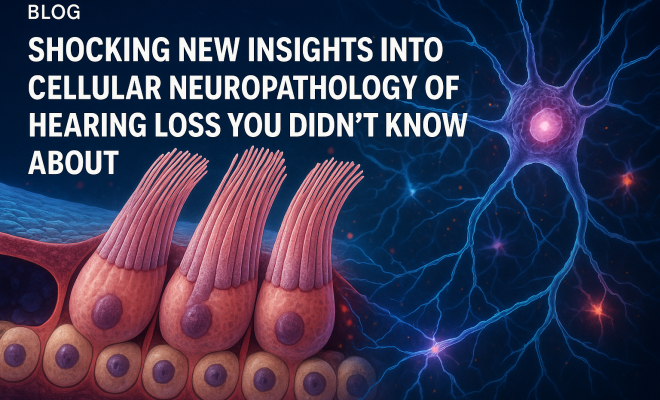
Hearing loss is an increasingly common issue that affects millions worldwide, often attributed to aging, noise exposure, or genetic predisposition. However, recent insights from a Frontiers editorial suggest that the underlying mechanisms of hearing loss are far more complex than previously understood. This groundbreaking research highlights the role of cellular neuropathology hearing loss as a problem stemming from dysregulated interconnected cellular networks rather than a single, simplified pathway.
Reframing the Understanding of Hearing Loss
Traditionally, hearing loss has been viewed through a linear lens, often focusing on one specific cause or mechanism. However, the recent editorial pushes back against this oversimplification, arguing that hearing damage results from the intricate interactions of multiple cell types and signaling systems within the inner ear. This multifaceted view is crucial for understanding the cellular neuropathology of hearing loss, as it opens up new avenues for research and potential treatment.
The Cellular Mechanisms at Play
Within the inner ear, various cell types—including hair cells, supporting cells, and neurons—work together to facilitate hearing. The disruption of these intricate networks can lead to various forms of hearing impairment. The editorial emphasizes the importance of understanding how these cells communicate and interact, which can potentially reveal targeted therapeutic interventions for those suffering from hearing loss.
- Hair Cells: These sensory cells convert sound vibrations into electrical signals, crucial for auditory perception. Damage or loss of hair cells is a common cause of hearing loss.
- Supporting Cells: These cells play a vital role in maintaining the health and function of hair cells. They can also transdifferentiate into hair cells in some species, presenting a potential area for regenerative medicine.
- Neurons: Auditory neurons transmit the electrical signals generated by hair cells to the brain. Degeneration of these neurons can lead to diminished auditory function.
The Impact of Noise Exposure and Aging
One of the most alarming aspects of cellular neuropathology regarding hearing loss is the compounded effects of noise exposure and aging. The editorial notes that exposure to loud noises not only damages hair cells but can also cause significant changes in the neural circuits involved in hearing. Over time, these changes can lead to a decline in auditory function, further exacerbating the issue.
Research shows that noise-induced hearing loss is not just an acute issue; it has long-term implications for the cellular health of the auditory system. Age-related hearing loss, often referred to as presbycusis, shares similar underlying cellular mechanisms, suggesting that the aging process may be accelerating the deterioration of these interconnected networks.
Public Health Implications
The rising prevalence of hearing loss is not merely a personal health concern but a significant public health challenge. As the global population ages and more individuals are exposed to high noise levels, understanding the cellular neuropathology of hearing loss becomes critical.
Hearing loss impacts social interactions, cognitive function, and overall quality of life. By reframing our understanding of hearing loss as a disorder of cellular networks rather than isolated pathways, researchers can develop comprehensive strategies to combat this issue.
Future Research Directions
Given the complexities outlined in the editorial, future research must focus on several key areas:
- Cellular Communication: Investigating how different cell types within the inner ear communicate and coordinate their functions could reveal new therapeutic targets.
- Regenerative Approaches: Exploring the potential for supporting cells to transdifferentiate into hair cells offers a promising avenue for regenerative treatments.
- Neuroprotective Strategies: Identifying ways to protect auditory neurons from degeneration could help preserve hearing function in at-risk populations.
Ultimately, recognizing hearing loss as a consequence of dysregulated cellular networks could lead to more effective interventions and a deeper understanding of auditory health.
Conclusion
The emerging perspective on cellular neuropathology hearing loss as a complex interplay of various cellular types marks a significant shift in the scientific understanding of auditory health. As research progresses, it is clear that a more nuanced approach may yield innovative treatments and strategies to help those affected by hearing loss. With continued exploration of these interconnected networks, the future may hold exciting possibilities for restoring hearing and improving quality of life for millions.