Google Gemini Education: Revolutionizing Classrooms & Learning
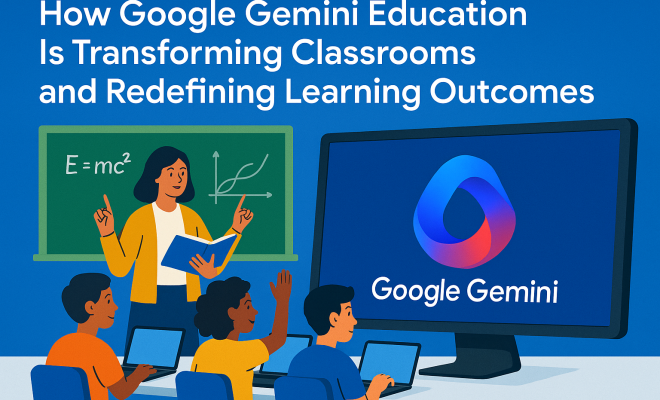
In a landscape where education methods are constantly evolving, Google Gemini education emerges as a revolutionary tool that is reshaping the way both teachers and students engage in the learning process. Recent studies conducted in Sierra Leone and Italy have demonstrated significant advancements in students’ math performance while also easing the administrative burdens on teachers. This article explores how Google Gemini is not only improving educational outcomes but also enhancing the overall classroom experience.
Improving Learning Outcomes in Diverse Settings
One of the most compelling findings from the studies is the measurable impact of Google Gemini on learning outcomes. Data shows that students who utilized this AI-driven tool improved their scores on externally validated assessments by 0.26 standard deviations. This figure translates to approximately 1.2 to 1.7 years of typical learning progression in low- and middle-income countries. Such results are staggering and indicate that Google Gemini education is not simply a gadget; it’s a game changer for students striving to achieve academic success.
Tailored Lessons: A Teacher’s Best Friend
Teachers have reported that Google Gemini allows them to create more personalized lesson plans tailored to the individual needs of their students. This level of customization is crucial in today’s classrooms, where one-size-fits-all approaches often fall short. With 70% less time spent on administrative tasks, educators are now in a position to focus on what truly matters: mentorship and emotional support for their students.
This shift in focus is particularly vital in today’s educational environment, where students face various challenges that extend beyond academic performance. Teachers can now dedicate more time to one-on-one interactions, fostering a supportive atmosphere that encourages student growth both academically and personally.
The Role of Technology in Education
The introduction of AI tools like Google Gemini into the educational sector comes at a critical time. As society grapples with the implications of technology in various fields, education is no exception. Parents, teachers, students, and policymakers are engaged in an ongoing conversation about whether AI enhances or undermines core learning experiences.
Google’s findings suggest that AI can augment traditional teaching methods rather than replace them. The ability of teachers to leverage technology effectively can lead to a more enriching educational experience. Schools that integrate Google Gemini education into their curricula are finding that not only do students benefit from enhanced learning tools, but teachers also enjoy a more manageable workload.
Real-World Impact: Case Studies from Sierra Leone and Italy
The studies from Sierra Leone and Italy provide a glimpse into real-world applications of Google Gemini in education. In Sierra Leone, where resources can be limited, the AI tool has helped bridge gaps in learning by providing tailored educational content and assessments that align with the curriculum. Teachers report feeling more empowered to address the specific needs of their students, leading to improved engagement and participation.
In Italy, the integration of Google Gemini into classrooms has shown significant results, particularly in mathematics. Students demonstrated marked improvements, showcasing that AI can be a catalyst for academic achievement. These case studies emphasize the universal applicability of Google Gemini education, proving that it can adapt to various educational contexts.
Challenges and Future Directions
While the benefits of Google Gemini are promising, challenges remain. The conversation around AI in education is multifaceted, with concerns about data privacy and the potential for over-reliance on technology. It’s crucial for educators and stakeholders to remain vigilant and ethical in their use of AI tools, ensuring that technology supplements rather than supersedes traditional educational values.
As we look to the future, the ongoing development of Google Gemini suggests that we are only scratching the surface of its potential. Future enhancements may focus on expanding its capabilities, perhaps incorporating features that support not just academic learning but also social-emotional development. The goal should be to create a holistic educational environment that prioritizes the well-being of students while facilitating high academic standards.
Conclusion: A New Era of Education
The evidence supporting the efficacy of Google Gemini education is compelling. As classrooms worldwide begin to adapt to technological advancements, tools like Google Gemini can help redefine the educational landscape. By improving learning outcomes and alleviating the administrative burdens on teachers, Google Gemini is setting the stage for a new era in education—one where technology and human connection go hand in hand for the benefit of all learners.