10 Game-Changing Strategies to Master AI for SEO in 2026
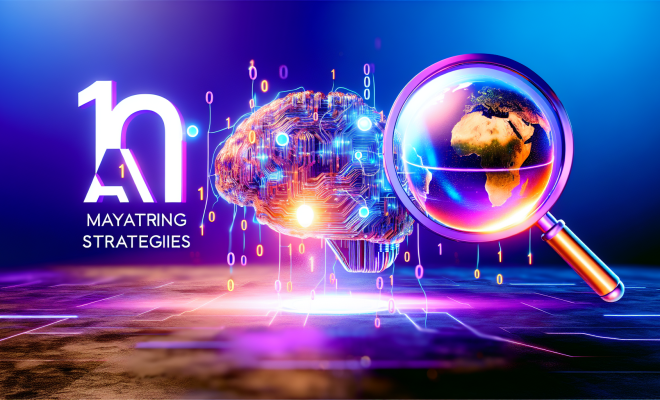
In the rapidly evolving landscape of digital marketing, mastering AI for SEO has become not just beneficial but essential. As we step into 2026, the integration of artificial intelligence in search engine optimization offers unprecedented opportunities to refine strategies, improve efficiency, and significantly enhance search rankings. This comprehensive guide will unveil 10 data-backed strategies that have helped marketers achieve an astonishing average ranking uplift of 47%. This data is not just theoretical; it’s rooted in real campaigns that have successfully leveraged AI technologies to dominate search results amidst increasing competition.
The Rise of AI in SEO
The digital marketing arena is witnessing a seismic shift due to advancements in AI technologies. Traditional SEO methods, although still relevant, are being supplemented or replaced by AI-driven techniques that allow for deeper analysis, faster results, and more tailored content. As AI tools continue to evolve, they offer SEO professionals the ability to optimize their strategies with data-driven precision.
Understanding AI for SEO
Before diving into the strategies, it’s essential to understand what AI for SEO encompasses. This involves using artificial intelligence to automate, enhance, and streamline various SEO processes, including keyword research, content creation, and performance analysis. By leveraging AI, marketers can uncover insights that were previously buried in data, enabling them to create more effective campaigns.
1. AI-Assisted Keyword Research
Keyword research is foundational to any successful SEO strategy. In 2026, AI for SEO tools have revolutionized this process. Rather than relying solely on traditional methods, marketers can utilize AI algorithms to analyze vast datasets and identify high-potential keywords. These tools can enhance keyword research by:
- Identifying Long-Tail Keywords: AI can analyze search patterns to help identify less competitive, high-conversion long-tail keywords.
- Trend Analysis: By examining historical search data, AI can forecast trending keywords and topics, allowing marketers to stay ahead of the curve.
- User Intent Insights: AI tools can provide valuable insights into user intent, helping marketers craft content that resonates with their audience.
For example, tools like SEMrush and Ahrefs have integrated AI features that provide suggestions based on current trends and competition analysis.
2. Automated Content Generation
Creating high-quality content consistently can be challenging. However, AI-driven content generation tools, such as OpenAI’s GPT-3, have made this task significantly easier. These tools can assist in:
- Generating Blog Posts: AI can create drafts based on specific keywords and topics, providing a solid starting point for human editors.
- Content Personalization: By analyzing user behavior, AI can help tailor content to specific audience segments, increasing engagement rates.
- A/B Testing: AI can generate variations of content to identify which performs best in terms of SEO metrics.
Marketers who have employed AI-generated content have reported increased efficiency and higher engagement metrics, leading to improved search rankings.
3. Optimizing On-Page SEO with AI
On-page SEO remains a cornerstone of effective search optimization. AI tools can significantly enhance these efforts by:
- Content Structuring: AI algorithms can suggest optimal content structures based on successful pages in the same niche.
- Meta Tags and Descriptions: AI can analyze previous successful tag performance and help create new, optimized meta tags.
- Image Optimization: AI can recommend image alt texts and sizes based on best practices and user engagement.
Tools like Clearscope and Surfer SEO provide AI-driven recommendations for on-page optimization, allowing marketers to refine their strategies based on real-time data.
4. AI-Driven Competitor Analysis
Understanding the competition is vital for any SEO strategy. AI can simplify competitor analysis by:
- Identifying Competitor Keywords: AI tools can help pinpoint keywords that competitors rank for, which can inform your own strategy.
- Monitoring Content Gaps: AI can analyze competitors’ content to uncover gaps that your business can fill.
- Performance Benchmarking: AI provides insights into competitors’ performance metrics, helping businesses understand their market position.
Employing AI-driven tools like SpyFu or SimilarWeb can give marketers a competitive edge by providing comprehensive data about competitors.
5. Enhancing User Experience with AI
Search engines like Google prioritize user experience, and AI can help enhance this aspect in various ways:
- Chatbots: Implementing AI-driven chatbots can improve user engagement on websites, leading to lower bounce rates.
- Personalized Recommendations: AI can analyze user behavior to provide tailored content recommendations, improving the user journey.
- Voice Search Optimization: As voice search continues to grow, AI can help optimize content for voice queries, making it more accessible.
By focusing on user experience, businesses can boost their SEO rankings, as search engines reward sites that meet user needs effectively.
6. Performance Monitoring and Analytics
Analytics is crucial for measuring the success of any SEO strategy. AI tools can enhance monitoring and analytics by:
- Real-Time Data Analysis: AI can process large amounts of data quickly, providing marketers with real-time insights.
- Predictive Analytics: AI can forecast future trends based on historical data, helping marketers make informed decisions.
- Custom Reporting: AI tools can generate tailored reports that focus on specific metrics important to the business.
Using tools like Google Analytics with AI capabilities allows marketers to track performance more effectively and adjust strategies based on data insights.
7. AI for Link Building Strategies
Link building remains a vital aspect of SEO, and AI can streamline this process by:
- Identifying High-Quality Link Opportunities: AI tools can analyze websites to find potential link-building opportunities based on relevancy and authority.
- Outreach Automation: AI can help automate outreach efforts, making the process more efficient.
- Monitoring Backlink Profiles: AI can regularly check the status of backlinks and alert marketers to any changes.
Leveraging AI for link-building strategies can lead to higher domain authority and improved search rankings.
8. Adapting to Algorithm Changes
Search engine algorithms are constantly evolving. AI can help marketers stay compliant with these changes by:
- Real-Time Monitoring: AI tools can track algorithm updates and analyze their impact on website rankings.
- Predictive Adjustments: Utilizing AI, marketers can predict how changes might affect their strategies and adjust accordingly.
- Testing Adjustments: AI can facilitate A/B testing of different strategies to determine the best approach post-algorithm changes.
By staying ahead of algorithm changes, businesses can maintain their ranking positions and avoid penalties.
9. Future-Proofing SEO Strategies
As AI technology continues to advance, future-proofing SEO strategies is essential. Marketers should:
- Invest in AI Tools: Staying updated with the latest AI tools can provide a competitive advantage.
- Continuous Learning: Engaging in continuous education regarding AI and SEO trends will keep marketers relevant.
- Experimentation: Embracing a culture of experimentation can lead to innovative strategies that leverage AI effectively.
Marketers who invest time and resources into adapting their strategies will be best positioned for success in the evolving digital landscape.
10. Case Studies of Success
Numerous agencies and professionals have effectively utilized AI for SEO strategies to drive remarkable results. Some notable case studies include:
- Agency X: Increased organic traffic by 65% using AI-assisted keyword research and content optimization.
- Brand Y: Achieved a 47% uplift in search rankings through AI-driven competitor analysis and link-building tactics.
- Company Z: Improved user engagement rates by 30% utilizing AI chatbots for customer interaction.
These case studies demonstrate the tangible benefits of integrating AI into SEO strategies, highlighting the potential for significant ranking improvements and enhanced user experiences.
Conclusion
In summary, the integration of AI for SEO is not merely a trend but a fundamental shift in how digital marketing operates. The strategies outlined in this guide serve as a roadmap for marketers aiming to stay competitive in the ever-changing SEO landscape. By embracing AI technologies, marketers can optimize their efforts, achieve better results, and ensure their strategies are future-ready. With an average ranking uplift of 47% reported through these methods, the urgency to adopt AI in SEO cannot be overstated.
As we advance further into 2026 and beyond, those who harness the power of AI will likely dominate the digital space, outpacing their competitors and meeting the evolving needs of consumers.