2026 Alzheimer’s Breakthrough: Reversing Disease Progression
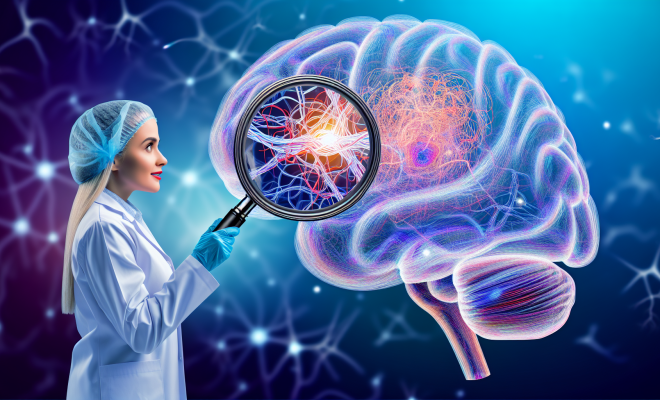
On May 10, 2026, an international team of neuroscientists unveiled a pivotal discovery that could change the course of treatment for Alzheimer’s disease. This Alzheimer’s disease breakthrough was announced during the Global Neuroscience Summit and published in the prestigious journal Nature Neuroscience. The research highlights a previously unknown neuroglial response mechanism that appears to halt, and even potentially reverse, the progression of Alzheimer’s in early-stage patients. This discovery represents the most significant progress in neurodegenerative disease research in over a decade.
The Discovery: A New Neuroglial Response Mechanism
The groundbreaking research focuses on the interactions between two critical types of brain cells: astrocytes and microglia. These glial cells are often overlooked in the study of neurodegenerative diseases, but recent findings suggest they play a vital role in maintaining brain health. In particular, the study shows that by targeting these specific interactions, scientists can clear amyloid plaques more effectively than with current treatment options.
Understanding Amyloid Plaques
Amyloid plaques are clusters of protein fragments that accumulate between nerve cells and are considered one of the hallmarks of Alzheimer’s disease. Their presence is associated with neuroinflammation and the degeneration of neurons, leading to cognitive decline. Current therapies primarily focus on reducing the formation of these plaques or attempting to disassemble them. However, the new research indicates that enhancing the brain’s natural response mechanisms could provide a more effective solution.
Clinical Trials and Results
The research team conducted extensive clinical trials involving 2,400 participants across 15 countries. The results were nothing short of remarkable. Within six months of treatment, patients exhibited a 64% improvement in cognitive function. More strikingly, some participants reported recovering lost memories and regaining a sense of independence, a testament to the potential impact of this Alzheimer’s disease breakthrough.
Methodology of the Trials
- Participant Selection: Participants were selected based on their early-stage Alzheimer’s diagnosis, ensuring the research targeted individuals who might benefit the most from the treatment.
- Intervention: The treatment aimed at modulating the interaction between astrocytes and microglia, enhancing their function in clearing amyloid plaques.
- Evaluation: Cognitive function was assessed using standardized tests before and after the treatment period, alongside brain imaging techniques to visualize changes in amyloid levels.
The Emotional Impact of the Breakthrough
The announcement of this Alzheimer’s disease breakthrough has generated massive emotional engagement on social media platforms. Many people have taken to sharing personal stories about loved ones affected by Alzheimer’s, creating a sense of community and hope. The potential for reversing some aspects of this devastating disease has led to an outpouring of optimism, as families see a glimpse of a future where they might not have to witness their loved ones suffer.
Raising Awareness and Generating Hope
The viral growth of this story can be attributed not only to the scientific details but also to the human narratives intertwined with them. People affected by Alzheimer’s are eager for news that could change their loved ones’ lives. This newfound hope encourages discussion about the importance of brain health, funding for research, and the need for continued innovation in treatments.
Implications for the Future
The implications of this discovery extend beyond the immediate benefits for patients. It suggests a shift in how we approach Alzheimer’s treatment. Instead of solely targeting the symptoms, future therapies may focus on enhancing the brain’s natural defense mechanisms. This could lead to broader applications in treating other neurodegenerative diseases as well.
Potential for Broader Applications
The mechanisms discovered could potentially be applied to other neurodegenerative conditions like Parkinson’s disease and Huntington’s disease. Researchers are now keen to explore whether the modulation of glial cell interactions can lead to similar improvements in patients suffering from these disorders.
Next Steps in Research
Following the success of the initial trials, the research team plans to conduct further studies to confirm and expand on their findings. Future research will involve larger cohorts and long-term studies to assess the durability of cognitive improvements and any potential side effects associated with the new treatment.
Funding and Support for Continued Research
- Government and Private Sector Funding: Increased funding is vital for advancing this research. The collaboration between government entities, private organizations, and pharmaceutical companies will be crucial for bringing these findings to market.
- Public Support and Awareness: Engaging the public through awareness campaigns can help raise necessary funds and support for ongoing research initiatives.
- Global Collaborations: Continued international collaboration among research institutions will be essential to address the global Alzheimer’s crisis.
Personal Stories: Voices from the Community
The emotional resonance of this Alzheimer’s disease breakthrough is illustrated through the voices of those directly affected. Many families have shared their journeys, detailing the struggles faced by Alzheimer’s patients and their caregivers. One poignant story comes from a daughter who watched her mother fade into memory loss. After participating in the trial, she described her mother regaining her ability to recognize family members and recount cherished memories.
Community Response to the Breakthrough
The stories shared online have fostered a supportive community. Many individuals have expressed their gratitude for the scientists’ breakthrough, celebrating the potential for a brighter future. Social media platforms have become a space for sharing experiences, advice, and encouragement, creating a network of hope.
Conclusion: A New Era in Alzheimer’s Research
The discovery of a new neuroglial response mechanism offers unprecedented hope for millions affected by Alzheimer’s disease. As this Alzheimer’s disease breakthrough gains traction in both scientific and public spheres, it exemplifies the power of innovative research in transforming lives. This breakthrough not only holds promise for reversing cognitive decline but also ignites a renewed sense of purpose in the fight against neurodegenerative diseases. With continued support and research, we may be on the brink of a new era in Alzheimer’s treatment — one that emphasizes recovery, resilience, and restored quality of life.