C/2025 R3 PANSTARRS: See This Once-in-a-Lifetime Comet Now!
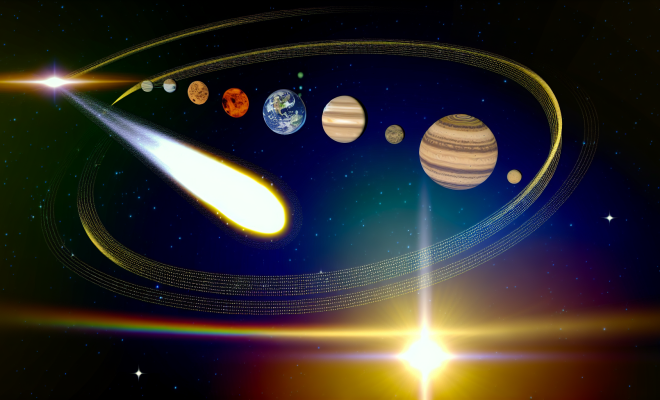
As stargazers across the northern hemisphere gaze upward, they are met with a remarkable spectacle that occurs only once in a lifetime. The comet known as C/2025 R3 PANSTARRS, discovered just last year, is now dazzling observers as it approaches the solar system’s outer edges. This interstellar visitor approaches the solar system and is now visible to the naked eye—a rare opportunity for both amateur and seasoned astronomers alike.
The Journey of C/2025 R3 PANSTARRS
The journey of C/2025 R3 PANSTARRS is one that offers a fascinating glimpse into our solar system. Unlike Halley’s Comet, which has a predictable cycle of 72 to 80 years, PANSTARRS presents a unique opportunity for those who wish to witness a celestial phenomenon that won’t be seen again for generations. Discovered by the PANSTARRS telescope team, this comet has garnered attention not only for its brightness but also for its accessibility.
A Beautiful Sight for Stargazers
After weeks of brightening, C/2025 R3 PANSTARRS has reached peak visibility. Observers have reported that the comet is now easily detectable without the need for any telescopes. This astonishing accessibility has spurred a surge of excitement on social media platforms such as Instagram and Reddit, where enthusiasts are sharing their viewing experiences and breathtaking photos of the comet. The hashtag associated with the comet is quickly going mega-viral as millions around the globe search for viewing guides and tips.
Why This Visitor Approaches the Solar System Matters
The arrival of C/2025 R3 PANSTARRS holds significant implications for both scientific research and public engagement with astronomy. Comets are often considered messengers from the solar system’s early days, carrying with them clues about the conditions that existed when our planets formed. The ability to observe such a comet as it approaches the solar system allows scientists to study its composition, behavior, and trajectory, enhancing our understanding of the cosmos.
Unique Characteristics of C/2025 R3 PANSTARRS
- Origin: Unlike many comets that originate from the Kuiper Belt or the Oort Cloud, C/2025 R3 PANSTARRS is believed to be an interstellar traveler. Its trajectory suggests it has come from beyond our solar system.
- Brightness: The comet has exhibited a notable increase in brightness, making it visible to the naked eye. Such events are rare and cause excitement among astronomers and the general public.
- Viewing Conditions: Clear night skies have greatly contributed to the public’s ability to observe the comet, with many favorable forecasts coinciding with its peak visibility.
Viewing Tips for Stargazers
As the excitement around C/2025 R3 PANSTARRS continues to grow, many people are eager to experience this celestial event. Here are some essential tips for those who want to catch a glimpse of this remarkable visitor:
- Find a Dark Location: Light pollution can hinder the visibility of celestial objects. Seek out areas away from city lights for the best viewing experience.
- Use Binoculars or a Small Telescope: While the comet is visible to the naked eye, using binoculars or a small telescope can enhance the viewing experience, allowing observers to see details and features not visible without assistance.
- Check Local Conditions: Before heading out, check the weather forecast for clear skies. Optimal conditions will allow for the best viewing opportunity.
- Join Local Astronomy Groups: Many communities have local astronomy clubs that host viewing events. Joining a group can provide access to experienced observers and viewing equipment.
The Emotional Urgency of Watching
As news of C/2025 R3 PANSTARRS spreads, there’s a palpable sense of emotional urgency among observers. The comet’s fleeting nature—like many comets that pass by—adds to the excitement. There’s a collective sentiment of “see it before it’s gone” as enthusiasts recognize the rarity of this event. The combination of social media buzz and community-driven viewing events fuels the urgency to witness the comet while it graces our skies.
Community Engagement and Astronomy
The arrival of C/2025 R3 PANSTARRS not only serves as a spectacle but also bridges the gap between science and public interest. As millions search for information on how to view the comet, the event has become an educational opportunity. Amateur astronomers are eagerly sharing their knowledge, fostering a sense of community among those fascinated by the cosmos.
Embracing the Wonder of the Universe
During events like this, stargazers are reminded of the vastness and beauty of the universe. The sight of a comet streaking across the night sky is a humbling experience, encouraging individuals to ponder their place in the cosmos. The joy of discovery, whether through a telescope or simply by gazing up at the night sky, fosters a deeper appreciation for the wonders of space.
Conclusion: The Legacy of C/2025 R3 PANSTARRS
The approach of C/2025 R3 PANSTARRS is more than just a celestial event; it is an invitation to engage with science, to marvel at the universe, and to share experiences with others. As this stunning comet makes its way through our solar system, it leaves behind an emotional impact that resonates with those fortunate enough to witness it.
With each comet that approaches the solar system, we are reminded of the mysteries that still exist beyond our planet and the importance of cherishing such fleeting moments. The stories and memories created during this cosmic event will inspire future generations to look up and explore the wonders of the universe.
For anyone intrigued by the cosmos, C/2025 R3 PANSTARRS is a visitor that should not be missed. As it approaches the solar system and graces our skies, it encapsulates a moment of beauty, discovery, and community that transcends time and space.