7 Astonishing Ways AI Will Revolutionize Education by 2026
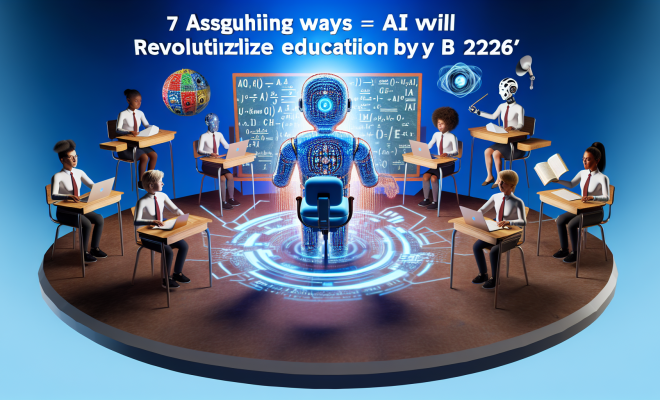
The landscape of education is rapidly evolving, and at the forefront of this transformation is AI in education 2026. According to the HLC Trends 2026 report, artificial intelligence is set to profoundly alter teaching and learning experiences, introducing innovative methods that cater to both students and educators. As institutions adapt to these changes, the implications for workforce readiness and program relevance have never been more critical.
The Rise of AI in Education
Recent discussions on platforms like Edutopia and Reddit indicate a surge in interest surrounding AI in education 2026. This spike in searches is likely fueled by recent policy announcements and a growing recognition of AI’s potential to enhance educational outcomes. Educators and institutions are beginning to embrace AI technologies, leading to new teaching strategies that promise to reshape the educational experience.
Transformative Teaching Methods
One of the most significant impacts of AI in education is the development of personalized learning environments. With AI tools, educators can analyze student performance data to tailor instruction to individual needs. This approach not only addresses diverse learning styles but also boosts student engagement, leading to better academic outcomes.
- Adaptive Learning Systems: These systems utilize AI algorithms to assess student progress in real-time, adjusting content delivery accordingly. This flexibility allows educators to meet students where they are, providing support as needed.
- Intelligent Tutoring Systems: AI-driven tutoring platforms offer additional help to students outside the classroom, ensuring that they have access to resources that can enhance understanding and retention.
Aligning Education with Workforce Needs
As the job market evolves, educational institutions face the challenge of preparing students for careers that may not even exist today. The HLC report emphasizes the importance of skills-based programs that align closely with workplace requirements. This alignment is crucial in ensuring that graduates possess the competencies employers seek.
AI plays a pivotal role in this alignment by:
- Identifying Emerging Skills: AI can analyze industry trends to pinpoint the skills that will be in demand in the future, enabling institutions to adjust their curricula accordingly.
- Facilitating Work-Based Learning: AI can enhance partnerships between educational institutions and businesses, making it easier to create internships and co-op programs that provide students with hands-on experience.
Addressing Challenges in Implementation
While the potential benefits of AI in education 2026 are promising, there are several challenges that institutions must navigate. The report highlights key issues that could impede the integration of AI technologies in educational settings:
- Faculty Attrition: As AI takes on more instructional roles, there is a growing concern about the future of faculty positions. Institutions must find ways to balance technology and human interaction in the classroom.
- Program Relevance: Static curricula can quickly become obsolete in the face of changing workforce demands. Continuous updates and revisions will be necessary to keep programs aligned with industry needs.
- Quality Assurance: Ensuring the quality of AI-driven independent offerings is critical. Institutions will need to establish robust measures to assess the effectiveness of these programs.
Strategies for Effective AI Implementation
To successfully harness the power of AI in education, institutions should consider the following strategies:
- Professional Development: Continuous training and support for educators will be essential to ensure they are equipped to utilize AI tools effectively.
- Collaborative Approaches: Engaging faculty, administrators, and industry professionals in the development and implementation of AI initiatives can foster a more comprehensive understanding of needs and solutions.
- Data-Driven Decision Making: Leveraging data analytics to inform educational strategies can enhance the effectiveness of AI interventions, ensuring they are tailored to meet student needs.
The Future of AI in Education
As we look towards 2026, it is clear that the incorporation of AI into educational systems is not merely a trend but a fundamental shift in how we approach teaching and learning. The HLC Trends report underscores the need for institutions to adapt proactively to these changes, ensuring that they are prepared to meet the challenges ahead.
Ultimately, the future of education will likely depend on the effective integration of AI technologies, which can enhance personalized learning, align educational programs with workforce needs, and address the challenges that come with these advancements. By embracing AI in education, institutions can provide an enriched learning experience that prepares students for success in an increasingly complex and dynamic world.