The Edvocate

Top Menu

Main Menu

  • Start Here
    • Our Brands
    • Governance
      • Lynch Education Consulting, LLC.
      • Dr. Lynch’s Personal Website
      • Careers
    • Write For Us
    • Books
    • The Tech Edvocate Product Guide
    • Contact Us
    • The Edvocate Podcast
    • Edupedia
    • Pedagogue
    • Terms and Conditions
    • Privacy Policy
  • PreK-12
    • Assessment
    • Assistive Technology
    • Best PreK-12 Schools in America
    • Child Development
    • Classroom Management
    • Early Childhood
    • EdTech & Innovation
    • Education Leadership
    • Equity
    • First Year Teachers
    • Gifted and Talented Education
    • Special Education
    • Parental Involvement
    • Policy & Reform
    • Teachers
  • Higher Ed
    • Best Colleges and Universities
    • Best College and University Programs
    • HBCU’s
    • Diversity
    • Higher Education EdTech
    • Higher Education
    • International Education
  • Advertise
  • The Tech Edvocate Awards
    • The Awards Process
    • Finalists and Winners of The 2026 Tech Edvocate Awards
    • Finalists and Winners of The 2025 Tech Edvocate Awards
    • Finalists and Winners of The 2024 Tech Edvocate Awards
    • Finalists and Winners of The 2023 Tech Edvocate Awards
    • Finalists and Winners of The 2021 Tech Edvocate Awards
    • Finalists and Winners of The 2022 Tech Edvocate Awards
    • Finalists and Winners of The 2020 Tech Edvocate Awards
    • Finalists and Winners of The 2019 Tech Edvocate Awards
    • Finalists and Winners of The 2018 Tech Edvocate Awards
    • Finalists and Winners of The 2017 Tech Edvocate Awards
    • Award Seals
  • Apps
    • GPA Calculator for College
    • GPA Calculator for High School
    • Cumulative GPA Calculator
    • Grade Calculator
    • Weighted Grade Calculator
    • Final Grade Calculator
  • The Tech Edvocate
  • Post a Job
  • AI Powered Personal Tutor

logo

The Edvocate

  • Start Here
    • Our Brands
    • Governance
      • Lynch Education Consulting, LLC.
      • Dr. Lynch’s Personal Website
        • My Speaking Page
      • Careers
    • Write For Us
    • Books
    • The Tech Edvocate Product Guide
    • Contact Us
    • The Edvocate Podcast
    • Edupedia
    • Pedagogue
    • Terms and Conditions
    • Privacy Policy
  • PreK-12
    • Assessment
    • Assistive Technology
    • Best PreK-12 Schools in America
    • Child Development
    • Classroom Management
    • Early Childhood
    • EdTech & Innovation
    • Education Leadership
    • Equity
    • First Year Teachers
    • Gifted and Talented Education
    • Special Education
    • Parental Involvement
    • Policy & Reform
    • Teachers
  • Higher Ed
    • Best Colleges and Universities
    • Best College and University Programs
    • HBCU’s
    • Diversity
    • Higher Education EdTech
    • Higher Education
    • International Education
  • Advertise
  • The Tech Edvocate Awards
    • The Awards Process
    • Finalists and Winners of The 2026 Tech Edvocate Awards
    • Finalists and Winners of The 2025 Tech Edvocate Awards
    • Finalists and Winners of The 2024 Tech Edvocate Awards
    • Finalists and Winners of The 2023 Tech Edvocate Awards
    • Finalists and Winners of The 2021 Tech Edvocate Awards
    • Finalists and Winners of The 2022 Tech Edvocate Awards
    • Finalists and Winners of The 2020 Tech Edvocate Awards
    • Finalists and Winners of The 2019 Tech Edvocate Awards
    • Finalists and Winners of The 2018 Tech Edvocate Awards
    • Finalists and Winners of The 2017 Tech Edvocate Awards
    • Award Seals
  • Apps
    • GPA Calculator for College
    • GPA Calculator for High School
    • Cumulative GPA Calculator
    • Grade Calculator
    • Weighted Grade Calculator
    • Final Grade Calculator
  • The Tech Edvocate
  • Post a Job
  • AI Powered Personal Tutor
  • Biden Administration Unveils Sweeping New Student Loan Forgiveness Expansion, Impacting Millions

  • The Scary Truth About School Supplies That Every Teacher Understands

  • This Game-Changing Move Will Secure Your Kid’s Future Home — Parents Are Rushing To Do It Now

  • We Need to Make Science Learning Visible. Here’s Why

  • 7 Unprecedented Reasons Why College Is More Vital Than Ever in the Age of AI

  • These Fractured Fairy Tales Help Students Understand Setting

  • Mind-Blowing: Google’s AI Ultimatum Could Decimate Academic Freedom in Schools

  • Explosive Student Loan Class Action Lawsuit: Public Servants Allege Forgiveness ‘Scam’

  • The Microsoft AFT School AI Standard: What It Means for Your Kids’ Data

  • 8 Disturbing Ways Student AI Use Could Be Harming Kids’ Minds

Uncategorized
Home›Uncategorized›Political Breakups: Polarization’s Impact on Relationships

Political Breakups: Polarization’s Impact on Relationships
By Matthew Lynch
May 6, 2026
0
Spread the love

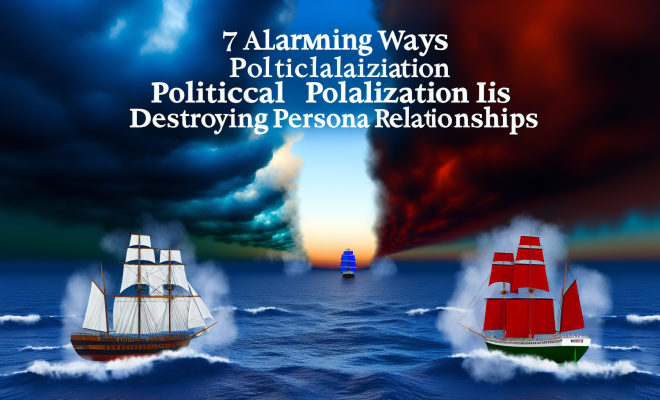
As the social fabric of the United States appears to be unraveling, a recent study published in PNAS Nexus by Oxford University Press brings to light a phenomenon that many have been experiencing but few have fully articulated: political breakups. This term describes the severing of relationships with friends, family members, and romantic partners due to political disagreements, highlighting a troubling consequence of deepening political polarization.

The Rise of Political Polarization

Political polarization refers to the increasing ideological distance between groups, particularly in the political realm. Over the past few decades, Americans have become more entrenched in their political beliefs, leading to a stark divide between liberals and conservatives. This growing chasm is not just a matter of policy disagreements; it is a fundamental shift in how individuals perceive and relate to one another.

The study from Oxford reveals that political polarization has significant interpersonal consequences, with individuals increasingly willing to cut ties with those who hold differing political views. This finding underscores a social crisis that transcends traditional political metrics, suggesting that the ramifications of polarization extend into the heart of personal relationships.

Understanding Political Breakups

Political breakups can be defined as the intentional withdrawal from relationships due to political disagreements. According to the research, these breakups can occur in various forms, including:

  • Friendships: Friends who once bonded over shared interests may find themselves drifting apart as political discussions become contentious.
  • Family Dynamics: Political disagreements can create rifts within families, leading to a loss of communication and connection.
  • Romantic Relationships: Couples may face insurmountable differences in political ideology that ultimately lead to separation.

These breakups are often accompanied by significant emotional pain, as individuals grapple with the loss of meaningful connections in their lives. The study’s findings validate the experiences of many Americans who have felt the impact of political polarization on their personal relationships.

The Emotional Toll of Political Division

The emotional fallout from political breakups is profound. Individuals may experience feelings of grief, isolation, and anxiety as they navigate the complexities of their social networks. The study highlights several key emotional consequences:

  • Grief: Losing a friend or family member to political disagreements can evoke feelings similar to those experienced during bereavement.
  • Isolation: As people sever ties with those who hold opposing views, they may find themselves surrounded by like-minded individuals, leading to a social echo chamber.
  • Increased Anxiety: The stress of navigating polarized relationships can contribute to mental health struggles, as individuals grapple with fears of social rejection and conflict.

These emotional experiences can create a cycle of polarization, where individuals retreat further into their ideological corners, reinforcing divisions and making reconciliation increasingly difficult.

Impact on Community Bonds

The ramifications of political polarization extend beyond personal relationships, affecting community bonds and social cohesion. As political disagreements become more pronounced, communities may experience:

  • Fragmentation: Neighborhoods and social groups may become divided along political lines, leading to a lack of cooperation and mutual support.
  • Decreased Civic Engagement: Political polarization can deter individuals from participating in community events or civic duties, as they may feel alienated or unwelcome.
  • Increased Hostility: Political tensions can lead to an atmosphere of hostility, where individuals are less likely to engage in constructive dialogue with those who hold differing views.

The study emphasizes that these consequences create a measurable social crisis that requires urgent attention. As people prioritize ideological conformity over interpersonal connections, the foundation of community is weakened.

Social Media’s Role in Polarization

Social media has played a pivotal role in accelerating political polarization and facilitating political breakups. Platforms like Facebook and Twitter enable individuals to curate their social interactions, often surrounding themselves with content and individuals that reinforce their views. This phenomenon can lead to:

  • Echo Chambers: Individuals may find themselves in homogenous networks where dissenting opinions are silenced or dismissed, reinforcing polarization.
  • Amplified Outrage: The viral nature of social media can amplify politically charged content, often leading to heightened emotions and conflicts.
  • Public Shaming: Individuals may experience public backlash for their political beliefs, prompting them to withdraw from relationships to avoid conflict.

As a result, social media has become a double-edged sword, facilitating connections while simultaneously deepening divides.

Reconciliation and Moving Forward

The question that arises from the study is whether political polarization has become too destructive to personal relationships and community bonds. While the research highlights the severity of the issue, it also opens the door for potential reconciliation. Here are some strategies individuals can employ to navigate political differences and foster healthier relationships:

  • Open Dialogue: Engaging in respectful conversations about political beliefs can help individuals understand differing perspectives and foster empathy.
  • Finding Common Ground: Focusing on shared values and interests outside of politics can strengthen relationships and promote connection.
  • Setting Boundaries: In some cases, establishing boundaries around political discussions can prevent conflicts and preserve relationships.

The study suggests that a willingness to engage in dialogue, coupled with an understanding of the emotional toll of political polarization, is essential for rebuilding connections across ideological divides.

The Future of Political Relationships

As political polarization continues to shape American society, the future of personal relationships remains uncertain. The findings from the Oxford study underscore the importance of addressing this issue at both an individual and societal level. As individuals navigate the complexities of political differences, it is crucial to prioritize connection and empathy over division.

In conclusion, political polarization is not merely a political issue; it is a deeply personal one that affects the fabric of our relationships and communities. The emotional toll of political breakups is a clarion call for individuals to reflect on their own interactions and consider the impact of their political beliefs on their relationships. By fostering empathy and understanding, there is hope for healing amidst the fractures caused by polarization.

The study from PNAS Nexus serves as a reminder that a divided society can lead to a fractured personal life, and it challenges us to seek paths toward reconciliation rather than division.

Previous Article

California Governor Debate 2026: Chaos, Attacks, and ...

Next Article

AI Search Disrupts Startups: Traffic Declines & ...

Matthew Lynch

Related articles More from author

  • Uncategorized

    Idaho Lawmakers Propose Funding to Restore Mental Health Services in 2025

    March 21, 2026
    By Matthew Lynch
  • Uncategorized

    Top Ten Best Classroom Pets for Kids

    July 1, 2026
    By Matthew Lynch
  • Uncategorized

    Unmasking Cognitive Errors: Why Your Brain Lies to You

    July 4, 2026
    By Matthew Lynch
  • Uncategorized

    Prevent Burnout: Support Working Parents for a Resilient Workforce

    July 20, 2026
    By Matthew Lynch
  • Uncategorized

    10 Iconic 80s Movie Moments That Define Middle School Teaching

    January 2, 2025
    By Matthew Lynch
  • Uncategorized

    Don’t Miss These Critical Deadlines: Your Student Loan Payments Are About to Soar (Unless You Act Now)

    September 20, 2026
    By Matthew Lynch

Search

Registration and Login

  • Log in
  • Entries feed
  • Comments feed
  • WordPress.org

Newsletter

Signup for The Edvocate Newsletter and have the latest in P-20 education news and opinion delivered to your email address!

RSS feed: Matthew on Education Week Matthew on Education Week

  • Au Revoir from Education Futures November 20, 2018 Matthew Lynch
  • 6 Steps to Data-Driven Literacy Instruction October 17, 2018 Matthew Lynch
  • Four Keys to a Modern IT Approach in K-12 Schools October 2, 2018 Matthew Lynch
  • What's the Difference Between Burnout and Demoralization, and What Can Teachers Do About It? September 27, 2018 Matthew Lynch
  • Revisiting Using Edtech for Bullying and Suicide Prevention September 10, 2018 Matthew Lynch

About Us

The Edvocate was created in 2014 to argue for shifts in education policy and organization in order to enhance the quality of education and the opportunities for learning afforded to P-20 students in America. What we envisage may not be the most straightforward or the most conventional ideas. We call for a relatively radical and certainly quite comprehensive reorganization of America’s P-20 system.

That reorganization, though, and the underlying effort, will have much to do with reviving the American education system, and reviving a national love of learning.  The Edvocate plans to be one of key architects of this revival, as it continues to advocate for education reform, equity, and innovation.

Newsletter

Signup for The Edvocate Newsletter and have the latest in P-20 education news and opinion delivered to your email address!

Contact

The Edvocate
910 Goddin Street
Richmond, VA 23230
(601) 630-5238
[email protected]
  • situs togel online
  • dentoto
  • situs toto 4d
  • situs toto slot
  • toto slot 4d
Copyright (c) 2026 Matthew Lynch. All rights reserved.