
The Edvocate

Top Menu

Main Menu

  • Start Here
    • Our Brands
    • Governance
      • Lynch Education Consulting, LLC.
      • Dr. Lynch’s Personal Website
      • Careers
    • Write For Us
    • Books
    • The Tech Edvocate Product Guide
    • Contact Us
    • The Edvocate Podcast
    • Edupedia
    • Pedagogue
    • Terms and Conditions
    • Privacy Policy
  • PreK-12
    • Assessment
    • Assistive Technology
    • Best PreK-12 Schools in America
    • Child Development
    • Classroom Management
    • Early Childhood
    • EdTech & Innovation
    • Education Leadership
    • Equity
    • First Year Teachers
    • Gifted and Talented Education
    • Special Education
    • Parental Involvement
    • Policy & Reform
    • Teachers
  • Higher Ed
    • Best Colleges and Universities
    • Best College and University Programs
    • HBCU’s
    • Diversity
    • Higher Education EdTech
    • Higher Education
    • International Education
  • Advertise
  • The Tech Edvocate Awards
    • The Awards Process
    • Finalists and Winners of The 2026 Tech Edvocate Awards
    • Finalists and Winners of The 2025 Tech Edvocate Awards
    • Finalists and Winners of The 2024 Tech Edvocate Awards
    • Finalists and Winners of The 2023 Tech Edvocate Awards
    • Finalists and Winners of The 2021 Tech Edvocate Awards
    • Finalists and Winners of The 2022 Tech Edvocate Awards
    • Finalists and Winners of The 2020 Tech Edvocate Awards
    • Finalists and Winners of The 2019 Tech Edvocate Awards
    • Finalists and Winners of The 2018 Tech Edvocate Awards
    • Finalists and Winners of The 2017 Tech Edvocate Awards
    • Award Seals
  • Apps
    • GPA Calculator for College
    • GPA Calculator for High School
    • Cumulative GPA Calculator
    • Grade Calculator
    • Weighted Grade Calculator
    • Final Grade Calculator
  • The Tech Edvocate
  • Post a Job
  • AI Powered Personal Tutor

logo

The Edvocate

  • Start Here
    • Our Brands
    • Governance
      • Lynch Education Consulting, LLC.
      • Dr. Lynch’s Personal Website
        • My Speaking Page
      • Careers
    • Write For Us
    • Books
    • The Tech Edvocate Product Guide
    • Contact Us
    • The Edvocate Podcast
    • Edupedia
    • Pedagogue
    • Terms and Conditions
    • Privacy Policy
  • PreK-12
    • Assessment
    • Assistive Technology
    • Best PreK-12 Schools in America
    • Child Development
    • Classroom Management
    • Early Childhood
    • EdTech & Innovation
    • Education Leadership
    • Equity
    • First Year Teachers
    • Gifted and Talented Education
    • Special Education
    • Parental Involvement
    • Policy & Reform
    • Teachers
  • Higher Ed
    • Best Colleges and Universities
    • Best College and University Programs
    • HBCU’s
    • Diversity
    • Higher Education EdTech
    • Higher Education
    • International Education
  • Advertise
  • The Tech Edvocate Awards
    • The Awards Process
    • Finalists and Winners of The 2026 Tech Edvocate Awards
    • Finalists and Winners of The 2025 Tech Edvocate Awards
    • Finalists and Winners of The 2024 Tech Edvocate Awards
    • Finalists and Winners of The 2023 Tech Edvocate Awards
    • Finalists and Winners of The 2021 Tech Edvocate Awards
    • Finalists and Winners of The 2022 Tech Edvocate Awards
    • Finalists and Winners of The 2020 Tech Edvocate Awards
    • Finalists and Winners of The 2019 Tech Edvocate Awards
    • Finalists and Winners of The 2018 Tech Edvocate Awards
    • Finalists and Winners of The 2017 Tech Edvocate Awards
    • Award Seals
  • Apps
    • GPA Calculator for College
    • GPA Calculator for High School
    • Cumulative GPA Calculator
    • Grade Calculator
    • Weighted Grade Calculator
    • Final Grade Calculator
  • The Tech Edvocate
  • Post a Job
  • AI Powered Personal Tutor
  • The Wild New Alliance: Why Democrats and Republicans Are Uniting on Child Care Support

  • This Viral Fake Ultrasound Video Is a Parental Deception Scandal

  • Bizarre Cat in the Hat AI Trend Ignites School Safety Fears, Arrests Follow

  • The College Student Who Went Viral: His Shocking Journey 11 Years Later

  • Flashcard Game Grades 3-5

  • The Disturbing ‘Cat in the Hat’ Hoax Fueling Panic in Schools — And What Parents MUST Know

  • The Chilling Truth: Why Parents Are Erasing Every Photo of Their Kids Online

  • Baffling: Feds Slash Youth Mental Health Funding Amid Crisis — What It Means For Your Kids

  • Apply to Get a Free Kinsa Smart Thermometer for Every Family at Your School

  • California’s Game-Changing Move: Can New Laws Finally Protect Kids from Big Tech’s Grasp?

Uncategorized
Home›Uncategorized›Federal Court Upholds Press Freedom Against Pentagon in 2026

Federal Court Upholds Press Freedom Against Pentagon in 2026
By Matthew Lynch
March 21, 2026
0
Spread the love

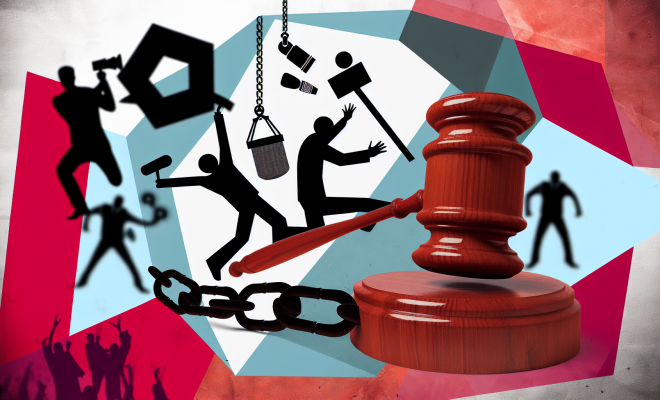
In a significant ruling on March 20, 2026, a federal court in the United States declared that the Pentagon’s media policies infringe upon First Amendment rights, specifically the freedom of speech, as well as due process protections. The decision stems from a December 2025 lawsuit filed by The New York Times, which challenged the constitutionality of the military’s stringent media restrictions.

Background of the Case

The lawsuit brought forward by The New York Times centered on claims that the Pentagon’s media policies were not only vague but also created an environment of uncertainty for journalists. This uncertainty, according to the plaintiffs, hindered their ability to perform their duties effectively without the fear of losing their press credentials.

Judge Paul Friedman’s Ruling

Federal Judge Paul Friedman delivered a scathing critique of the Pentagon’s policies in his 40-page ruling, emphasizing that such vagueness undermines the foundational principles of the First Amendment. Judge Friedman articulated that the policies could lead to arbitrary enforcement, which is detrimental to the journalistic process.

In his ruling, Judge Friedman pointed out that the lack of clear guidelines leaves journalists in a precarious position. Without a definitive understanding of what actions might result in the revocation of their credentials, journalists may self-censor, which can have a chilling effect on the free press. This ruling not only addresses the immediate concerns raised by the lawsuit but also touches on broader implications for media freedom within a military context.

Response from the Pentagon

In response to the court’s ruling, Sean Parnell, a spokesperson for the Pentagon, expressed disagreement with the decision, indicating that the Department of Defense plans to appeal immediately. Parnell’s statement suggests that the Pentagon is committed to maintaining its current media policies, despite the court’s findings.

The spokesperson’s remarks highlight ongoing tensions between military operations and press freedoms, as the Pentagon grapples with how to balance national security interests with the public’s right to know. Parnell’s insistence on appealing the ruling indicates the military’s intent to defend its media protocols, which they argue are necessary for operational security.

The Broader Implications

This landmark ruling has far-reaching implications for both journalists and the military. As the ruling stands, it sets a precedent regarding how media can interact with military operations and the extent to which the government can regulate that interaction. The decision could empower journalists to challenge restrictive media policies in other contexts, potentially leading to a reevaluation of how federal agencies engage with the press.

Moreover, the case raises essential questions about the role of the media in a democratic society. The First Amendment is designed to protect the press’s ability to inform the public, particularly on matters of national importance. When military policies impede that ability, it not only threatens the press but also the public’s right to access information.

Historical Context of Press and Military Relations

The relationship between the press and the military has historically been fraught with tension. From the Vietnam War to contemporary conflicts, governments have often sought to control the narrative surrounding military operations. The Pentagon’s media restrictions are reflective of a longstanding concern that unrestricted media access could compromise national security.

However, as the digital age continues to evolve, the landscape of media and information has changed dramatically. With the rise of social media and instant communication, the traditional methods of controlling information have become increasingly difficult. This ruling could be seen as a response to these changes, affirming that the press must be allowed to operate freely, even in sensitive environments.

Looking Ahead

The appeal process initiated by the Pentagon will likely draw significant attention as it progresses. Observers will be keen to see how higher courts interpret the balance between national security and press freedoms. The outcome could shape future policies governing media access to military operations and influence similar cases across the country.

As the debate continues, one thing remains clear: the ruling emphasizes the critical role of the press in safeguarding democracy and holding powerful institutions accountable. Journalists must be able to report freely without fear of retribution, and this ruling serves as a reminder that the First Amendment protections are essential in preserving that freedom.

Conclusion

The federal court’s ruling against the Pentagon’s media restrictions marks a pivotal moment for press freedom in the United States. As the legal battle unfolds, it will undoubtedly serve as a touchstone for discussions about the rights of journalists and the obligations of governmental entities to uphold the principles of free speech and due process.

Previous Article

Meadow Memorials Raises $9M to Revolutionize Funeral ...

Next Article

Texas Hemp Industry in Peril: New THCA ...

Matthew Lynch

Related articles More from author

  • Uncategorized

    Australia’s 2025 Online Safety Law: Social Media Giants Face Legal Action

    March 31, 2026
    By Matthew Lynch
  • Uncategorized

    Google AI Mode: Revolutionizing SEO & the Future of Search

    May 18, 2026
    By Matthew Lynch
  • Uncategorized

    10 Fun and Safe Social Distancing PE Activities & Games

    January 2, 2025
    By Matthew Lynch
  • Uncategorized

    Galderma’s Cutting-Edge Innovations at AMWC 2026 Monaco

    March 17, 2026
    By Matthew Lynch
  • Uncategorized

    Rubrics and Standardization in Grading

    January 2, 2025
    By Matthew Lynch
  • Uncategorized

    14 Fun Formative Assessment Ideas Your Students Will Love

    January 2, 2025
    By Matthew Lynch

Search

Registration and Login

  • Log in
  • Entries feed
  • Comments feed
  • WordPress.org

Newsletter

Signup for The Edvocate Newsletter and have the latest in P-20 education news and opinion delivered to your email address!

RSS feed: Matthew on Education Week Matthew on Education Week

  • Au Revoir from Education Futures November 20, 2018 Matthew Lynch
  • 6 Steps to Data-Driven Literacy Instruction October 17, 2018 Matthew Lynch
  • Four Keys to a Modern IT Approach in K-12 Schools October 2, 2018 Matthew Lynch
  • What's the Difference Between Burnout and Demoralization, and What Can Teachers Do About It? September 27, 2018 Matthew Lynch
  • Revisiting Using Edtech for Bullying and Suicide Prevention September 10, 2018 Matthew Lynch

About Us

The Edvocate was created in 2014 to argue for shifts in education policy and organization in order to enhance the quality of education and the opportunities for learning afforded to P-20 students in America. What we envisage may not be the most straightforward or the most conventional ideas. We call for a relatively radical and certainly quite comprehensive reorganization of America’s P-20 system.

That reorganization, though, and the underlying effort, will have much to do with reviving the American education system, and reviving a national love of learning.  The Edvocate plans to be one of key architects of this revival, as it continues to advocate for education reform, equity, and innovation.

Newsletter

Signup for The Edvocate Newsletter and have the latest in P-20 education news and opinion delivered to your email address!

Contact

The Edvocate
910 Goddin Street
Richmond, VA 23230
(601) 630-5238
[email protected]
  • situs togel online
  • dentoto
  • situs toto 4d
  • situs toto slot
  • toto slot 4d
Copyright (c) 2026 Matthew Lynch. All rights reserved.
