Trump’s Iran Conflict: Political Backlash & Economic Fallout
The Escalation of Tensions
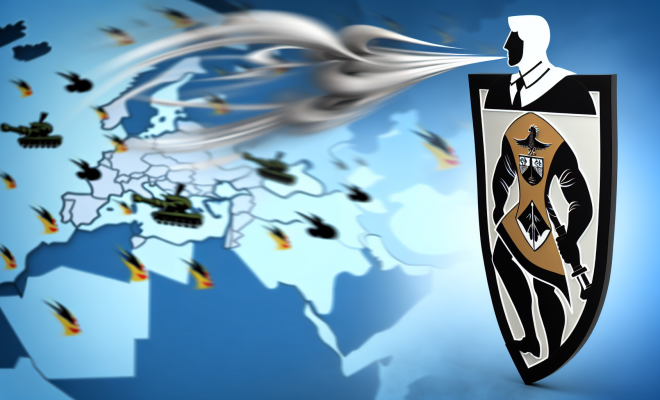
As the United States finds itself embroiled in a conflict with Iran, President Donald Trump is experiencing significant political turbulence just two weeks into the military engagement. Following coordinated strikes by U.S. and Israeli forces against Iranian targets, the repercussions of Trump’s decisions are resonating through the political landscape, revealing fractures within his own support base and inviting criticism from opponents.
Backlash from Both Sides
One of the most pressing criticisms of Trump’s Iran policy comes from the Democratic Party, which is keenly observing the fallout as they approach the midterm elections. Democrats have seized upon the opportunity to critique the Trump administration’s apparent lack of foresight and planning, particularly in light of rising costs associated with the conflict, including soaring gasoline prices that subsequently affect grocery costs. This inflationary pressure is a tangible issue for voters, and Democrats are positioning themselves as the party of reasoned governance in contrast to Trump’s aggressive military stance.
Rising Gas Prices and Economic Implications
With the conflict causing disruptions in oil supply chains, the surge in gas prices has become a focal point for criticism. Analysts warn that the ongoing war is likely to exacerbate existing economic challenges, including inflation. As prices at the pump rise, consumers are feeling the pinch in their everyday expenses, leading to resentment and frustration among the electorate. This economic backdrop provides Democrats with a compelling narrative to undermine Trump’s standing, particularly as they highlight the administration’s failure to mitigate the impact of the war on American citizens.
Shifting Allegiances Within the GOP
Interestingly, the political ramifications extend beyond the Democratic opposition. Trump’s staunchest allies, his MAGA base, are showing signs of division regarding the military engagement. Prominent conservative commentators such as Tucker Carlson and Megyn Kelly have publicly voiced their opposition to the war, challenging Trump’s assertion that loyalty to his decisions is paramount. This dissent highlights a growing rift within the Republican party, suggesting that even some of Trump’s most reliable supporters are wary of his foreign policy approach.
Sanctions and International Ramifications
Adding to the complexity of the situation is Trump’s recent decision to ease sanctions on Russian oil shipments, a move that has drawn scrutiny from both political sides. Critics argue that this decision effectively bolsters Moscow’s position amid rising oil prices, undermining efforts to counteract Russia’s aggressive posturing in the ongoing Ukraine conflict. By easing these sanctions, Trump is perceived as inadvertently supporting a regime that is already embroiled in a contentious geopolitical landscape. This has led to questions regarding his commitment to U.S. foreign policy goals and alliances.
Democrats Ready to Capitalize
As the midterm elections draw nearer, Democrats are strategically framing their campaign narratives around the perceived failures of Trump’s Iran policy. Their critiques center not only on the immediate implications of the conflict but also on the broader implications for American security and international relations. With rising gas prices and inflation exerting pressure on American households, Democrats see an opening to challenge Trump’s narrative and present themselves as a viable alternative.
Public Sentiment and Future Implications
Public sentiment appears to be shifting, with many Americans expressing concern over the implications of prolonged military engagement. Polling data indicates that a significant portion of the electorate is apprehensive about the direction of U.S. foreign policy under Trump, particularly as it relates to Iran and its broader implications for global stability. As the conflict continues, the potential for a sustained backlash against the administration grows, particularly if economic conditions worsen as a result of the war.
The Road Ahead
As the situation evolves, Trump finds himself at a critical juncture. The political landscape is shifting beneath his feet, and the implications of his decisions regarding Iran and Russia could have far-reaching consequences for his presidency and the Republican Party at large. With a divided base and an emboldened opposition, the coming weeks will be crucial in determining how this conflict will shape the political narrative leading into the midterm elections.
In conclusion, the challenges facing Trump are not merely rooted in foreign policy but are intricately tied to the economic realities that American voters are grappling with daily. As the stakes rise, the administration’s ability to navigate these tumultuous waters will likely define not only the future of Trump’s presidency but also the political landscape in the United States for years to come.