AI-Generated Music: Charting Hits & Ethical Debates
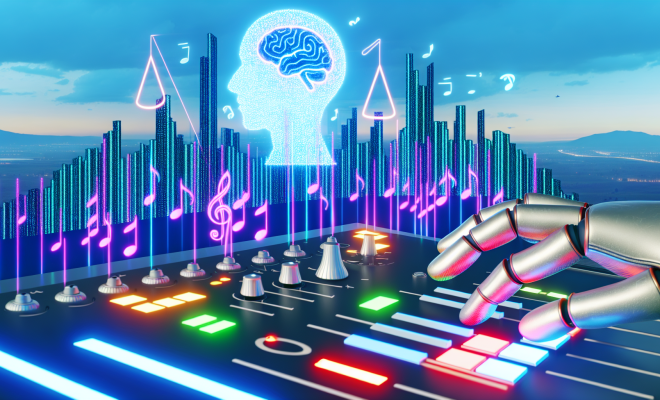
As artificial intelligence (AI) technology continues to evolve, its influence is permeating various sectors, including the music industry. Recent developments indicate a significant shift, where AI-generated songs are not just novelties but are making their way onto the music charts. Major record labels are beginning to forge partnerships with AI startups, leaving behind their initial legal battles over copyright and ownership issues. This transformation raises crucial questions about creativity, authenticity, and the future of music.
The Emergence of AI in Music
AI-generated music has garnered increasing attention in recent years, and its presence is now undeniable. Songs created by AI algorithms are climbing the charts, with some tracks even outperforming traditional music produced by human artists. This trend signifies a pivotal moment for the music industry, where the lines between human creativity and machine-generated content are blurring.
From Lawsuits to Collaborations
Initially, the rise of AI in music prompted a wave of legal disputes as artists and record labels fought to protect their intellectual property. Concerns about copyright infringement and the ownership of AI-generated content were prevalent. However, as AI technology demonstrated its potential to revolutionize music creation, major labels have begun to pivot towards collaboration rather than confrontation.
- Partnerships with AI Startups: Record labels are increasingly investing in AI startups, recognizing the potential for innovation that these partnerships can bring. Collaborations allow labels to harness AI’s capabilities in generating music quickly and efficiently.
- New Revenue Streams: By embracing AI, labels are exploring new revenue models that could supplement traditional income sources. The ability to produce high-quality music at a lower cost can lead to increased profitability.
- Enhancing Creativity: AI tools are seen not just as replacements for human artists but as tools that can enhance the creative process. They can assist musicians in brainstorming ideas, generating melodies, and producing tracks.
Ethical Concerns in the Age of AI
As the music industry embraces AI, ethical questions surrounding artist credits and royalties are surfacing. The debate centers around who should receive recognition and compensation for music generated by AI. If a machine creates a song, the question arises: who is the true author?
Artist Credits and Royalties
One of the most pressing issues is how to fairly attribute credit and distribute royalties for AI-generated music. The music industry has long relied on established frameworks for royalties, which may not adequately address the complexities introduced by AI. Some key points of concern include:
- Attribution: The challenge of assigning credit for songs created by AI is significant. Should the developers of the AI software receive credit, or should it go to the artists who collaborated with the AI?
- Royalty Distribution: As AI-generated tracks become more common, the traditional systems for royalty distribution may need to be re-evaluated. This could lead to new agreements and standards in the industry.
- Impact on Human Artists: There is a fear that an overreliance on AI in music creation may overshadow human artists, potentially diminishing their opportunities and market share.
The Future of Music: Creativity vs. Authenticity
The integration of AI in music creation introduces a paradox: while it can enhance creativity, it also raises questions about the authenticity of music. With algorithms capable of mimicking human styles and preferences, how can listeners discern what is genuinely artistic?
Redefining Creativity
Industry experts argue that the definition of creativity may need to evolve in light of AI advancements. While some view AI-generated music as a mere imitation, others believe it can serve as a legitimate form of artistic expression. The key lies in how AI is used:
- Tool for Inspiration: Many musicians view AI as a tool that can inspire and assist in the creative process rather than replacing human creativity.
- New Genres: AI-generated music may pave the way for entirely new genres and styles, expanding the musical landscape.
- Collaborative Artistry: The collaboration between AI and human artists could lead to innovative approaches that blend technology with traditional methods.
Conclusion: Navigating the New Era of Music
The rise of AI-generated music signifies a transformative phase for the music industry. As record labels transition from legal battles to collaborations with AI startups, the potential for innovation and new revenue models is immense. However, the ethical implications surrounding artist credits and royalties must be addressed to ensure a fair and sustainable future for all stakeholders involved.
As the industry navigates this new terrain, it remains crucial to engage in conversations about authenticity, creativity, and the role of AI in shaping the future of music. The coming years will undoubtedly reveal how these dynamics evolve, and whether AI will complement or compete with human artistry in the music world.