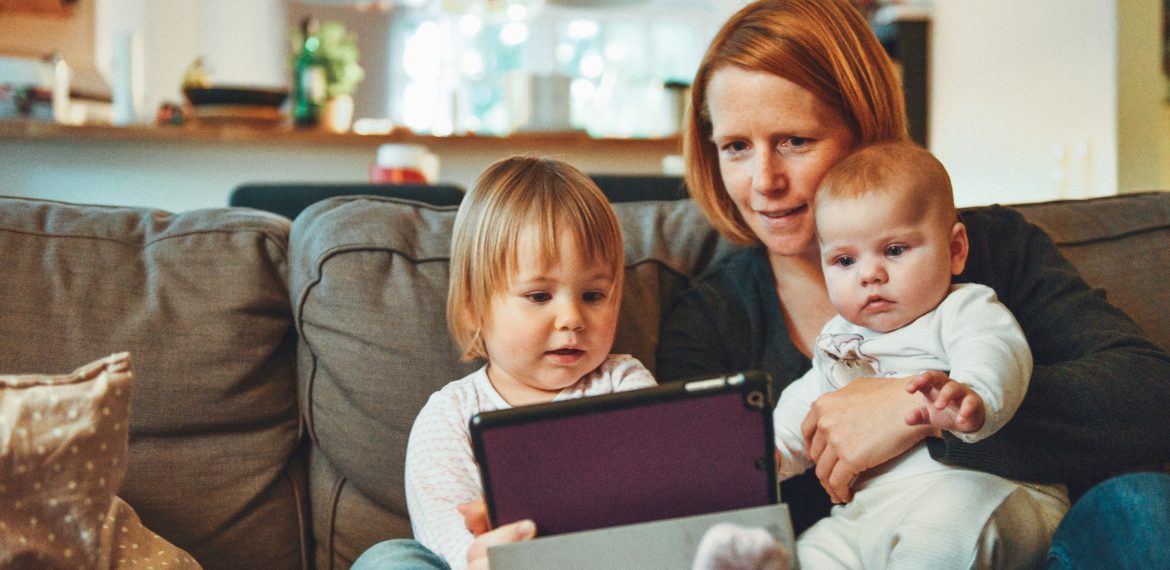
The process of educating children inside of your home, instead of relying on a traditional school environment. Homeschooling can be conducted by a parent, tutor, or online instructor. Discontent with traditional schools is the impetus for the popularity of homeschooling. The advent of the Internet has been one of the leading drivers behind this popularity. Apart from discontent over the perceived lack of effectiveness in traditional schools, parents may choose to homeschool their children for other reasons, including perceptions that traditional schools are unsafe and a desire for religion to be a larger part of their children’s education than is possible in public schools.
Generally, research suggests that homeschooling is an effective way to educate children. Student performance tends to exceed that of students in traditional schools. Skeptics of homeschooling refer to the negative consequences of social alienation and other social benefits that only a conventional school can offer, such as mixing with children of different backgrounds. This criticism is unfounded because homeschooling does not appear to have a negative impact on students’ socialization. Homeschooled students appear to be well prepared to continue education beyond their homeschool learning environment and also appear to be more autonomous.