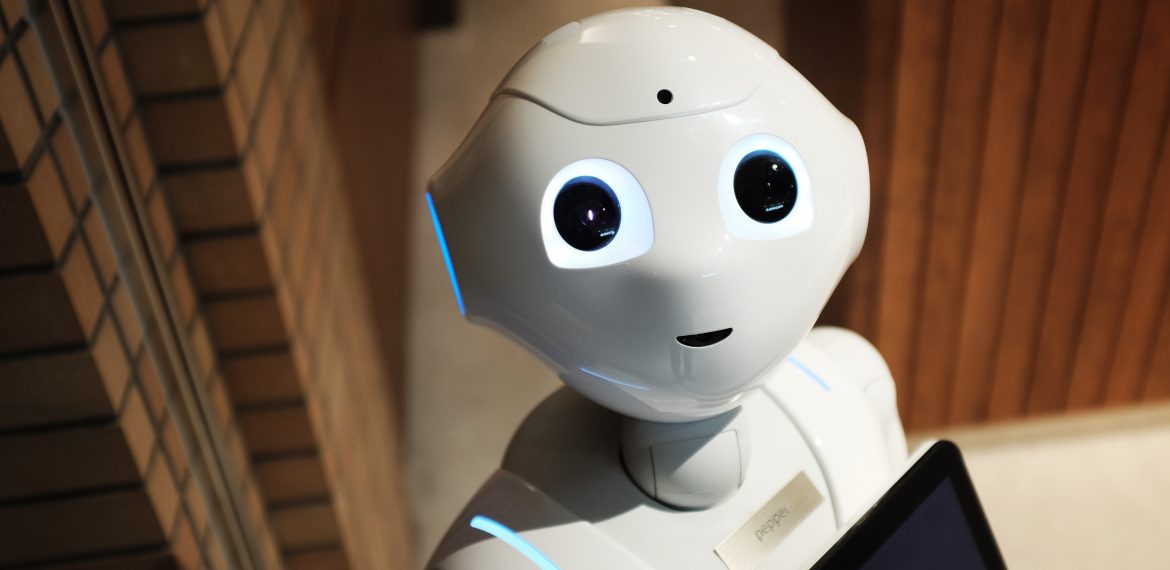
The development and ability of computer programs to complete tasks normally performed by people, such as speech recognition, language translation, visual perception, and even decision making. In the future, we can expect to see even more artificial intelligence in the classroom. Artificial intelligence could be used to personalize the education


Is a group of people who you connect with to increase your knowledge of a particular subject. We’re breaking down this definition into three parts, so you understand exactly what a personal learning network is and how to use it to your educational advantage. What’s Personal? A PLN is personal

According to the National Association for Media Literacy Education, media literacy is the ability to access, analyze, evaluate, create, and act using all forms of communication. Media literacy means anything from interpreting emojis to understanding underlying messages in online advertisements to producing viral video content and recognizing native advertising. While
Elearning that takes place within the classroom and is synchronized with classroom activities.
According to Jeannette M. Wing, “Computational thinking involves solving problems, designing systems, and understanding human behavior, by drawing on the concepts fundamental to computer science. Computational thinking includes a range of mental tools that reflect the breadth of the field of computer science.” In other words, computational thinking focuses on

This occurs when student performance is negatively impacted when students are reminded of stereotypes about various groups. This means that teachers need to be extra vigilant to ensure that digital media does not include harmful stereotypes, such as the idea that women are not good at math. Educators need to

The RAT Model, developed by Dr. Joan Hughes, allows teachers to self-assess their integration of technology in the classroom. According to the RAT Model, digital technology can be used as replacement, amplification, or transformation in the classroom. Replacement refers to the use of technology that in no way changes instructional

Are educational materials that are available online without any copyright restriction. These are a powerful learning tool for every student, but perhaps most especially for those students in cash-strapped school districts

As the ‘micro-‘ part of the name indicates, micro-learning is focused on smaller learning units that are delivered within a short time frame. Usually, each micro-learning unit will have a single objective (or ‘learning outcome’), and it is advisable to make this objective clear to the learner(s) before delivering the
An unconference is essentially a conference shaped by its participants. There are no prearranged topics, speakers, or panels. There isn’t even a schedule. Instead, attendees decide what questions and topics will be discussed. Leaders facilitate each breakout session, and participants attend any session that piques their interest. No one presents