
The feelings and emotional aspects of learning which includes particular attitudes and habits associated with learning. Examples include self-direction, motivation, critical thinking, perseverance, positive thinking, and self-esteem.


A teaching idea which allows students to hear and pronounce words or phrases unfamiliar to them before listening to or reading a story. An example of advance organizers are chants.

An activity in which the teacher reads aloud from a book while students follow along with a large book, personal copies of the book, or from a class chart.

A reading activity in which people, usually adults, read something aloud and discuss new ideas or words to engage the learners.
The earliest stage of oral language development in which a single word is used to represent an idea.
A written symbol for a phoneme (unit of sound). Examples include f for /f/or ph for /f/ and oy for /oi/ as in boy.

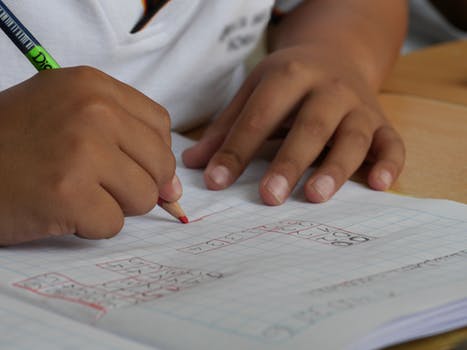
Learners in their beginning stages of writing. They are often young children engaged in experimentations with the written language, through scribbling for example, to convey a written message.

A form of spelling which assists the development of phonological awareness and is appropriate to the stages of spelling development (precommunicative, semi-phonetic, phonetic, and transitional). It is also referred to as invented or temporary spelling.

The act of describing what one has read, which can provide insight into the reader’s ability to engage with, understand, interpret, and draw conclusions from the text.

Evaluation methods which use technology to measure increasingly complex tasks and a wide variety of skills.