
A child’s score on a standardized test expressed as the percentage of students in a normal distribution who would have performed at or below the student on the test.


The documentation of an elementary school student’s progress through descriptive summary or overview rather than a report card. The narrative report details skills, behaviors and learning goals mastered.

The use of naturally occurring events to assess a child’s development, particularly that of infants and toddlers. Information is gathered through observation, classroom tasks, or other naturally occurring events.

A written performance assessment based on the curriculum taught in the classroom. The assessment uses the student’s work to measure skill mastery and learning priorities.

A loosely-structured interview conducted by a child-care professional to solicit input from parents and primary caregivers on a child’s skills and level of independence in completing routine tasks, the child’s social relationships, and the interviewee’s concerns and priories about the child.
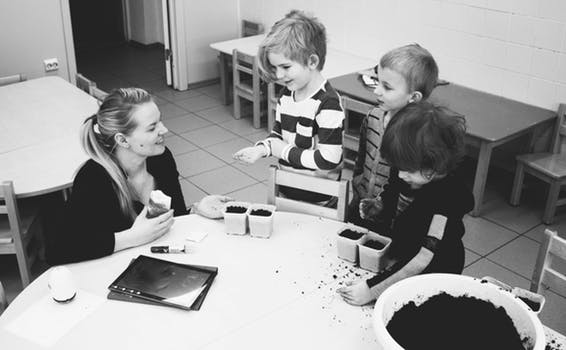
Forms with questions created to solicit input from families on a child’s behavioral challenges.
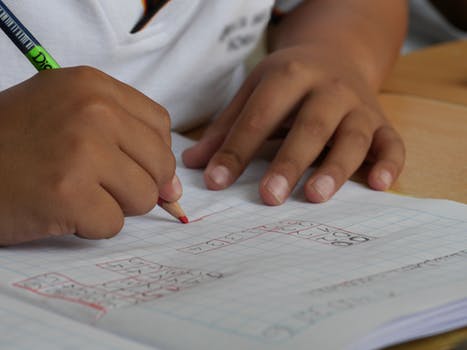
Short, written documentation of important incidents and events in a student’s day.

Daily notes, anecdotes, and detailed running records documenting observations made of a student.

The process of acquiring and analyzing data, then using it to make decisions. For example, expanding the use of a piloted learning tool to an entire grade level, school or school district only if it can be shown by pre- and post-assessments to improve student mastery.

A measure of the reliability and validity of an assessment tool.